Understanding the Mould Temperature Controller
The Mould Temperature Controller is a crucial tool in modern industrial manufacturing, ensuring optimal temperature management throughout the production process. With advancements in technology, especially in the fourth generation of controllers, manufacturers can now achieve unprecedented levels of efficiency and precision. This article delves into the features, benefits, and challenges of using these controllers, providing insights into how they can revolutionize industrial practices in 2025 and beyond. When exploring options, Mould Temperature Controller from Topstar offers comprehensive insights into innovative solutions for temperature regulation.
What is a Mould Temperature Controller?
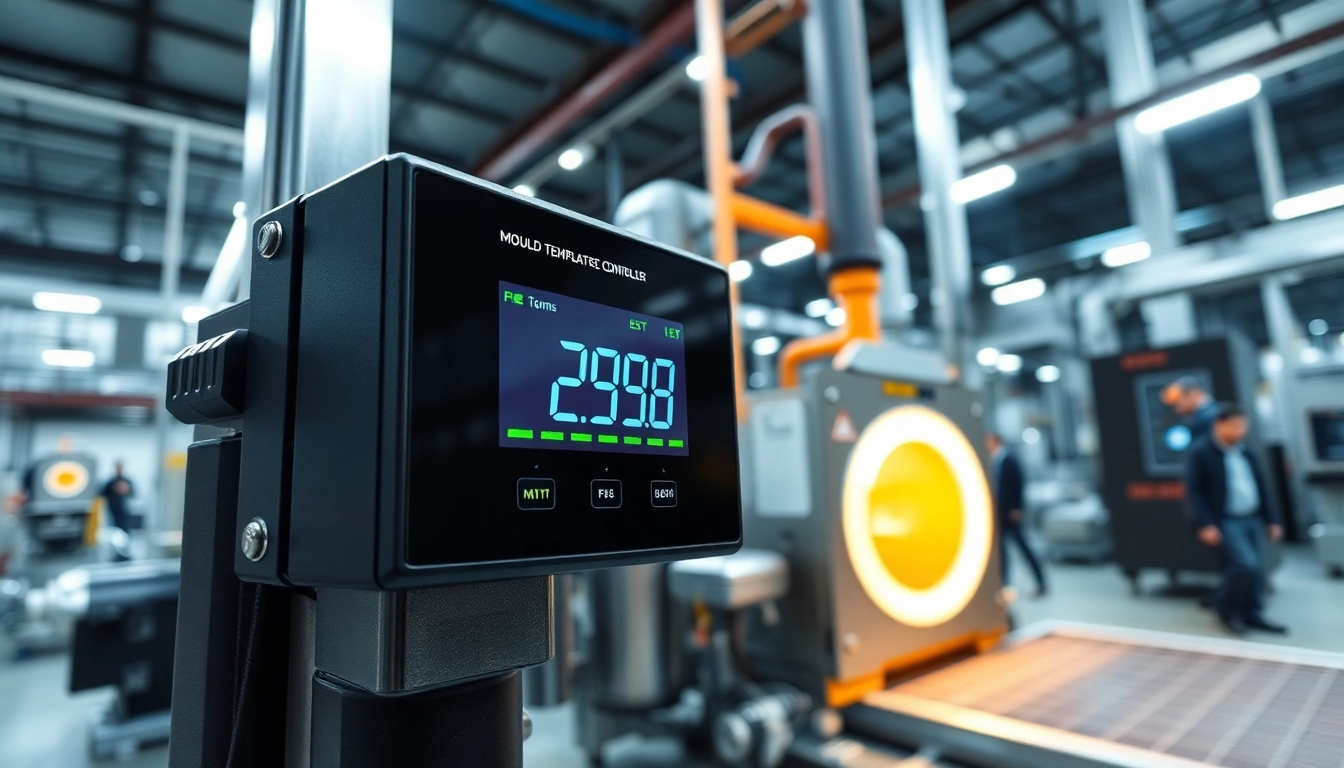
A Mould Temperature Controller is an automated system designed to maintain a specific temperature within a mould during the production of plastic components. These controllers use various methods, such as water or oil circulation, to ensure that the mould reaches and maintains the desired temperature, which is critical for the quality of the final product. By regulating the temperature, these devices minimize production defects, enhance dimensional accuracy, and improve overall product quality.
Key Features of the Fourth Generation Mould Temperature Controller
The fourth generation of Mould Temperature Controllers is marked by several key features that set them apart from their predecessors:
- Advanced PID Control Algorithm: This algorithm offers improved temperature control efficiency, increasing uniformity across the mould surface.
- Forced Cooling Mechanism: The capability to rapidly cool the mould reduces downtime and enhances production turnaround.
- Precision Temperature Control: With an accuracy of ±0.1℃, manufacturers can achieve consistent processing conditions, leading to higher-quality outputs.
- Durable Materials: Upgraded components, such as copper heaters, enhance lifespan and performance, even under varying water quality conditions.
- Real-time Monitoring: Integrated sensors provide continuous feedback, allowing for adjustments that maintain optimal mould temperatures.
How It Enhances Manufacturing Efficiency
Incorporating a modern Mould Temperature Controller can dramatically enhance manufacturing efficiency by:
- Reducing Mold Change Times: The forced cooling feature allows for mold disassembly in as little as 10 minutes, as opposed to traditional methods that require complete cooling.
- Improving Product Yield: Consistent temperature regulation leads to fewer defects, meaning higher product yields and lower waste.
- Reducing Energy Consumption: Enhanced efficiency in temperature control translates to less energy used in heating and cooling processes.
Benefits of Using Mould Temperature Controllers
Improved Temperature Accuracy and Stability
The precision of the fourth-generation Mould Temperature Controller ensures that temperatures remain stable throughout the production process. This stability is crucial, as variations in temperature can lead to defects, dimensional errors, and inconsistent quality in the final product. With the latest advancements, manufacturers can rely on these controllers to maintain temperatures within a narrow band, significantly improving production outcomes.
Reduction in Mold Change Times
One of the most significant advantages of using a modern mould temperature controller is the reduction of downtime during mold changes. With capabilities like timed power on/off and forced cooling, the time taken to cool down and replace molds is significantly diminished. This operational efficiency enables manufacturers to scale production without compromising quality.
Enhanced Product Yield and Quality
Consistent control of mould temperatures minimizes the likelihood of defects, such as warping or incomplete filling. By achieving and maintaining optimal temperatures, manufacturers can ensure that each production run meets quality standards, thus enhancing overall product yield and maintaining customer satisfaction.
Common Challenges in Mould Temperature Control
Water Quality Issues and Solutions
Water quality can significantly impact the effectiveness of mould temperature controllers. Impurities in water can lead to scaling on heating elements and clogging of delicate systems. To combat this, advanced controllers come equipped with high-precision filters, which can remove contaminants and prevent damage. Moreover, the use of upgraded copper materials minimizes scaling, ensuring longer equipment life even under less-than-optimal water conditions.
Maintaining Consistent Temperature Across Molds
Achieving uniform temperature across multiple moulds can be challenging, especially in larger production setups. The fourth-generation mould temperature controllers are designed with advanced algorithms that continuously adjust flows and temperature settings based on real-time feedback from sensors. This ensures that all parts of the production process receive consistent thermal management, contributing to uniform product quality.
Cost Considerations and Investment Justification
While the initial investment in advanced mould temperature controllers might be substantial, the long-term savings through reduced waste, enhanced efficiency, and improved product quality provide a strong justification for the cost. Furthermore, as global markets become increasingly competitive, adopting these technologies can help businesses maintain an edge by optimizing their production processes.
Best Practices for Implementing Mould Temperature Controllers
Choosing the Right Equipment for Your Needs
When selecting a mould temperature controller, it’s important to consider factors such as the types of materials being processed, the required temperature range, and compatibility with existing equipment. Evaluating these aspects ensures that manufacturers choose a system that meets their specific operational needs while maximizing efficiency.
Setting Up and Calibration Guidelines
Proper setup and calibration of mould temperature controllers are essential to achieve optimal performance. Manufacturers should follow the manufacturer's guidelines on installation and regularly calibrate their systems to account for any changes in environmental conditions or production processes. Regular maintenance checks can also help in preventing issues before they arise.
Monitoring and Optimizing Performance
Continuous monitoring systems are integral to the effective use of mould temperature controllers. By collecting data on temperature fluctuations and system performance, manufacturers can make informed adjustments, optimize processes, and predict maintenance needs. This data-driven approach enhances efficiency and product quality over time.
The Future of Mould Temperature Control: Trends for 2025 and Beyond
Emerging Technologies in Temperature Control
The future of mould temperature controllers lies in their integration with emerging technologies, such as artificial intelligence and machine learning. These technologies promise to enhance predictive capabilities, allowing for proactive management of temperature control systems and minimizing downtime due to unexpected failures.
Integration with Industry 4.0
The adoption of Industry 4.0 principles in manufacturing is set to transform how mould temperature controllers operate. By enabling networked systems that communicate with each other, manufacturers can achieve unprecedented levels of efficiency, flexibility, and customization in their production processes.
Predictive Maintenance and Data Analytics
As mould temperature controllers become increasingly data-rich, manufacturers can leverage predictive maintenance strategies to anticipate equipment failures before they occur. Utilizing data analytics to assess performance trends will become a standard practice, ensuring the longevity of equipment and maintaining the highest production standards.