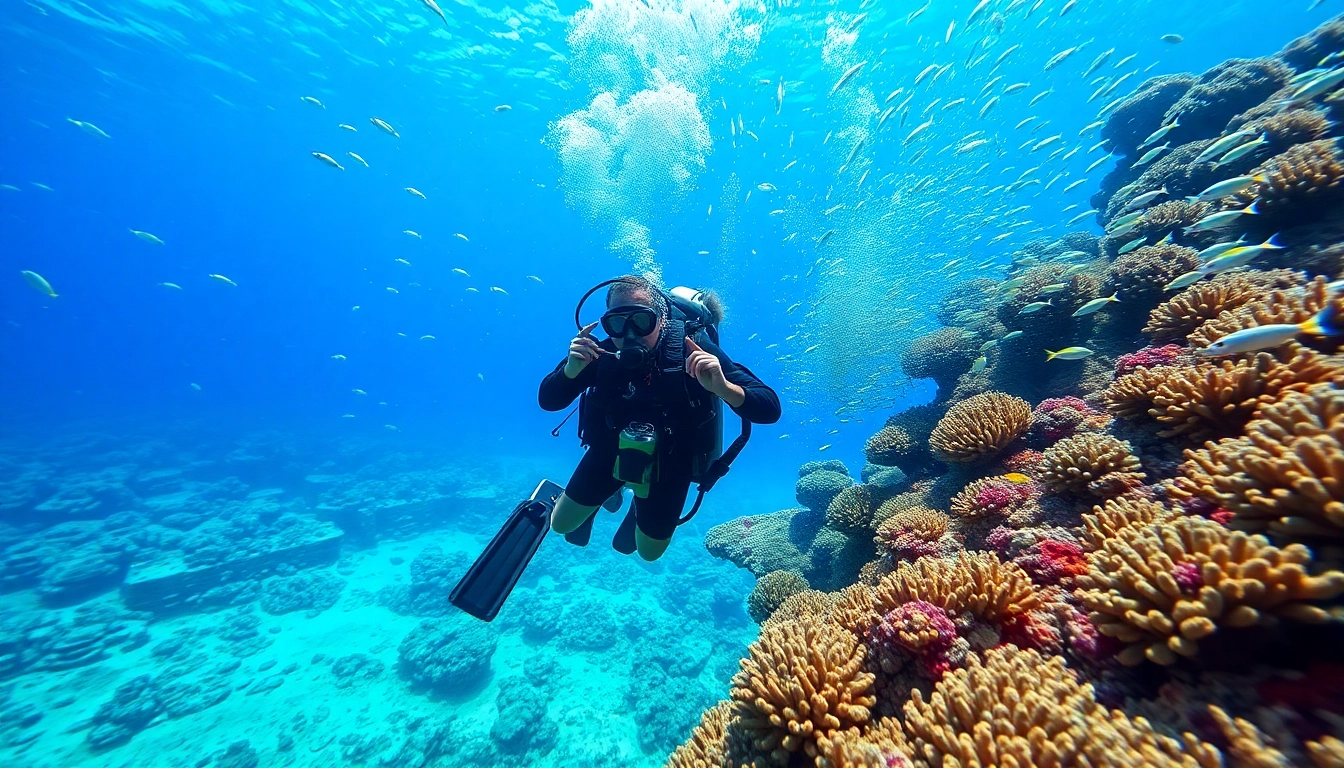
The Thrills of Scuba Diving
Scuba diving offers a thrilling escape from the routine of everyday life, providing adventurers an unparalleled view into the breathtaking underwater world. Whether you are a novice exploring shallow reefs or an advanced diver seeking the depths of the ocean, there's something for everyone in this aquatic adventure. To start planning your next dive, check out https://marvinscubaexpeditions.com for incredible diving experiences and destination information.
Understanding the Basics of Scuba Diving
At its core, scuba diving involves using a self-contained underwater breathing apparatus, allowing divers to explore the underwater environment without relying on surface air. It is essential to understand the fundamental principles behind scuba diving, including the science of pressure, buoyancy, and breathing techniques.
When a diver descends, pressure increases, and this creates a need for proper techniques to manage buoyancy and avoid decompression sickness. Familiarity with dive tables, or modern dive computer technology, can help divers safely plan their underwater excursions.
Essential Gear for a Memorable Dive
Diving gear is not just about functionality; it's crucial for ensuring safety and enhancing the diving experience. The essential equipment includes:
- Diving Mask: A mask creates an air space in front of your eyes, allowing you to see clearly underwater.
- Fins: Fins provide propulsion, allowing you to move efficiently while minimizing fatigue.
- Wetsuit or Dry Suit: These suits are designed to keep you warm in cold water, with dry suits providing additional thermal protection for deeper dives.
- Buoyancy Control Device (BCD): A BCD holds the air tank and helps divers manage their buoyancy throughout the dive.
- Regulator: The regulator delivers air from your tank at a safe pressure, allowing you to breathe comfortably.
- Tank: This holds the compressed air necessary for breathing underwater.
Investing in high-quality gear not only enhances comfort but also reflects your commitment to safety.
Safety and Best Practices for Divers
Safety is paramount in scuba diving. Following established best practices can significantly enhance the overall diving experience:
- Pre-Dive Check: Always perform a thorough equipment check before heading into the water.
- Buddy System: Dive with a buddy to promote safety and support should any issues arise.
- Equalization Techniques: Practice equalizing techniques to prevent discomfort while descending.
- Monitoring Air Supply: Regularly check your air levels to avoid running out unexpectedly.
- Ascent Rate: Ascend slowly and perform safety stops to minimize the risk of decompression sickness.
Marine Life and Ecosystems
One of the most captivating aspects of scuba diving is the opportunity to encounter a diverse array of marine life. Understanding marine ecosystems enhances the experience of any dive.
A Guide to Local Underwater Species
Each dive destination boasts unique marine life. From vibrant coral reefs teeming with fish to kelp forests housing playful sea otters, understanding the species you might encounter enriches your adventures under the sea. Observing behaviors, such as schooling fish or hunting predators, can provide insight into the complexity of marine life.
The Importance of Coral Reefs
Coral reefs are vital ecosystems that support a staggering amount of biodiversity. They serve as nurseries for many fish species, protect coastlines from erosion, and contribute to local economies through tourism and fishing. Understanding their importance can enhance divers' appreciation and commitment to conservation efforts.
Conservation Efforts in Diving Locations
Many diving locations engage in conservation efforts to protect these delicate ecosystems. As a responsible diver, you can contribute to these initiatives by:
- Participating in beach clean-ups and underwater conservation projects.
- Being mindful of not touching or stepping on coral.
- Supporting eco-friendly diving practices and businesses.
Scuba Diving Destinations
With countless locations around the globe, each dive site offers unique characteristics and experiences suitable for every diver's skill set.
Top Locations for Beginners
Novice divers should seek out regions known for their calm waters and abundant shallow dive spots. Some recommended destinations include:
- The Great Barrier Reef in Australia, celebrated for its vibrant marine life and accessibility.
- Cozumel, Mexico, known for its warm waters and beautiful coral formations.
- The Red Sea, offering various dive sites with excellent visibility and diverse marine habitats.
Advanced Dive Sites for Experienced Divers
For those with more experience, advanced dive sites present challenges and excitement. Consider exploring:
- The Blue Hole in Belize, famous for its depth and impressive marine ecosystems.
- The wrecks of the SS Thistlegorm in the Egyptian Red Sea, offering a historical dive experience.
- Cave diving in Mexico's cenotes, where divers navigate intricate underwater cave systems.
Unique Features of Local Diving Spots
Each diving location has its local charm, be it unique geological formations, shipwrecks, or specific wildlife. Researching and understanding these features can turn an ordinary dive into an extraordinary adventure.
Training and Certifications
As with any sport, proper training and certification are vital for scuba diving. Ensuring you have the correct skills and knowledge can prevent accidents and maximize enjoyment.
Overview of Scuba Diving Certifications
Various organizations offer certifications, each with different levels from beginner to advanced. The most recognized agencies include:
- PADI - Professional Association of Diving Instructors.
- NAUI - National Association of Underwater Instructors.
- SSI - Scuba Schools International.
These certifications often require practical skills training as well as theoretical knowledge, preparing divers for a variety of underwater experiences.
Choosing the Right Diving School
Selecting a reputable diving school is crucial in your training journey. Consider factors such as:
- Instructor qualifications and experience.
- Classroom and practical scenarios offered in training.
- Student-to-instructor ratios for personalized attention.
Preparing for Your First Dive
Ready to dive for the first time? Preparation is key. Follow these guidelines:
- Get a thorough briefing that covers safety, equipment use, and dive plans.
- Practice using your equipment during pool sessions before your first open-water dive.
- Stay relaxed and trust your training while maintaining a positive attitude.
Community and Social Aspects of Diving
Diving is not just about the underwater experience; it’s also about sharing that experience with others. The diving community is vibrant and welcoming.
Joining Diving Clubs and Groups
Engaging with local diving clubs can enhance your diving experience by providing networking opportunities, known dive sites, and companionship. Clubs often organize events and group dives, leading to rich social interactions.
Participating in Dive Trips and Events
Look for trips organized by dive shops or clubs that allow divers to experience multiple dive sites over several days. Group dives can enhance safety and camaraderie while ensuring memorable experiences.
Sharing Experiences: The Diving Community
Sharing experiences, photos, and stories with fellow divers can foster deeper relationships and a sense of belonging in the community. Whether through social media or local meetups, celebrating the beauty of diving together enriches the experience for everyone involved.