The Allure of Clarksburg Wine Tasting
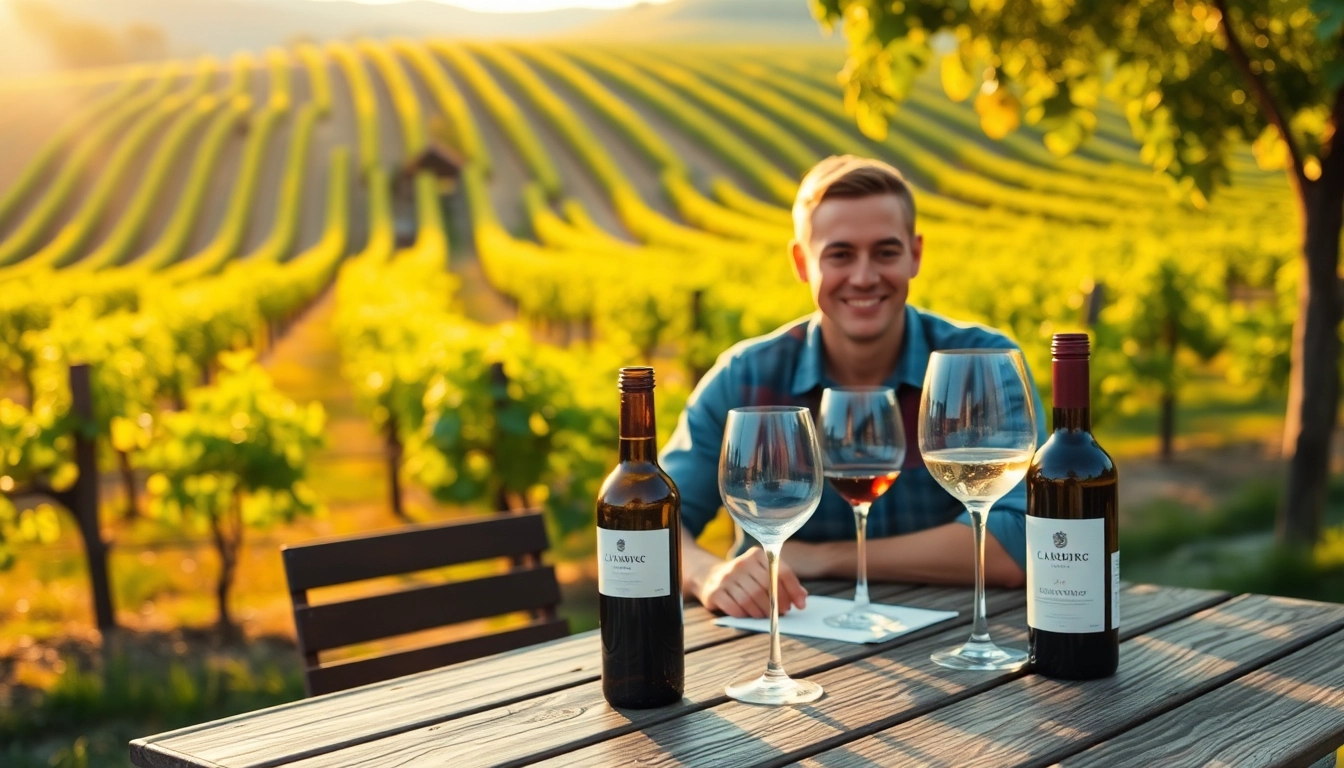
The charm of Clarksburg wine tasting lies in its idyllic setting and the rich tapestry of flavors it offers every wine enthusiast. Nestled in California's Sacramento Valley, Clarksburg is a hidden gem that is rapidly gaining reputation for its exquisite wines and welcoming wineries. With a diverse climate and a unique terroir, this region fosters the growth of a variety of grapes, making it a fascinating destination for those looking to indulge in a delightful tasting experience.
Understanding the Wine Regions
Clarksburg is not just another wine region; it is a confluence of geography, climate, and winemaking expertise, making it an exceptional locale that produces some of the most unique wines in California. The area is characterized by its warm, sunny days complemented by cool, breezy evenings, creating an ideal microclimate for vineyards. This Mediterranean-like climate allows grapes to develop intense flavors and balanced acidity.
Moreover, Clarksburg is noted for its rich alluvial soils that have been deposited over centuries. These fertile grounds are primarily composed of river sediments, promoting healthy vine growth and diverse varietals. As you explore Clarksburg, you will discover different wine producers that each contribute to the region’s diversity with their unique styles and techniques.
Types of Wines to Savor
The wine offerings in Clarksburg are as diverse as the landscapes that stretch across the region. You will encounter a range of exquisite varieties, including:
- Chardonnay: Known for its buttery texture and fruity notes, Clarksburg Chardonnay has often been highlighted as a stand-out, particularly due to its aromatic complexities and refreshing finish.
- Sauvignon Blanc: Crisp and zesty, this white wine is characterized by its bright acidity and herbaceous flavors. Most Clarksburg Sauvignon Blanc wines boast notes of citrus, green apple, and melon, making them immensely drinkable.
- Cabernet Sauvignon: This full-bodied red wine benefits from the warm climate, resulting in rich, dark fruit flavors complemented by tannins that offer depth and structure.
- Barbera: Uniquely suited to Clarksburg, Barbera offers rich cherry and plum flavors with higher acidity, making it an excellent companion for various dishes.
- Tempranillo: Known for its dark fruits and spice undertones, this Spanish varietal has found a welcoming home in Clarksburg, providing a delightful tasting experience for those who seek something different.
Seasonal Highlights for Tastings
Each season in Clarksburg brings a new reason to visit. Spring offers a vibrant landscape as vineyards bloom, making it perfect for leisurely strolls and tastings that showcase the freshness of the new season’s wines. Summer is bustling with activity; many wineries host events like outdoor concerts and food pairings, allowing visitors to immerse themselves in the local culture.
Autumn heralds the grape harvest, and during this time, wine lovers can enjoy special events, including harvest festivals and exclusive tastings that feature the newest wines from the pressing. Finally, winter provides a serene backdrop; visitors can experience cozy tastings, often paired with seasonal dishes and rich red wines, making it a perfect time to savor the depth of Clarksburg's offerings.
Planning Your Clarksburg Wine Tasting Visit
Best Times to Visit Clarksburg
When planning a visit to Clarksburg, consider the time of year that aligns with your preferences. The months of late summer to early fall are particularly favorable, as the harvest is in full swing, and many wineries offer special events. However, for a quieter experience with fewer crowds, late winter to early spring provides an intimate setting for tastings without the hustle and bustle.
Essential Tips for First-Time Tasters
For those embarking on their first Clarksburg wine tasting adventure, here are some essential tips:
- Stay Hydrated: Wine tasting can be an immersive experience, and having water on hand is crucial to stay hydrated and refreshed.
- Spit or Swallow: If you're planning to taste several wines, spitting is an acceptable practice to prevent overconsumption and keep your palate clear.
- Ask Questions: Engage with the staff or winemakers. They often have extensive knowledge and passion for their wines, which can enhance your tasting experience.
- Note Your Favorites: Keep a journal or use an app to note the wines you enjoy. This will help you remember your preferences when purchasing later.
- Pace Yourself: Allow time between tastings to fully appreciate the flavors and aromas of each wine.
Accessibility and Transportation Options
Traveling to Clarksburg is convenient thanks to its proximity to major highways and public transportation options. Many visitors opt to drive and explore the region at their own pace, but various local services offer shuttle or transportation options for those who prefer a guided experience. Rideshare services are also readily available, ensuring safe travel options during your wine adventure.
Creating a Memorable Wine Tasting Experience
Pairing Wines with Local Delicacies
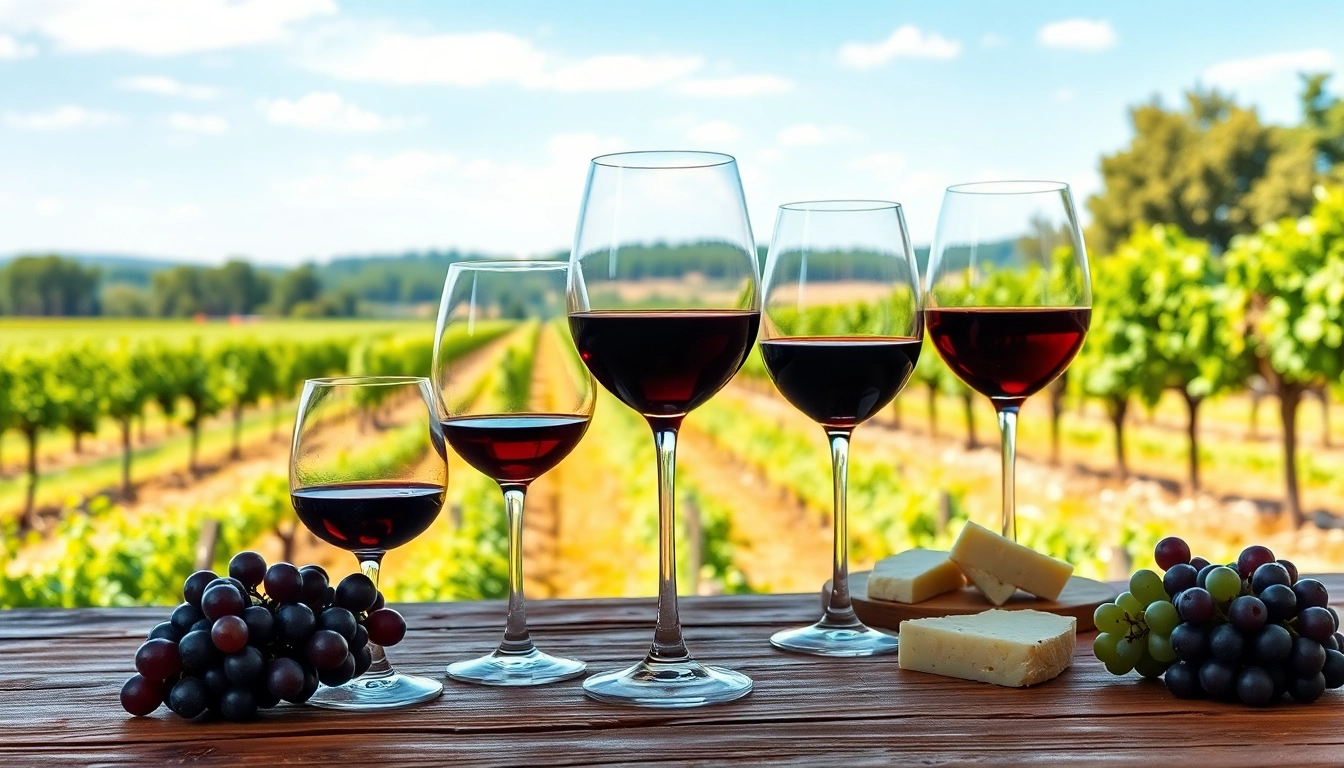
One of the most delightful aspects of wine tasting is the opportunity to pair wines with food. Clarksburg boasts an array of local delicacies that can elevate your tasting experience. For instance, pairing a crisp Sauvignon Blanc with fresh seafood from the nearby delta, or enjoying a hearty Barbera alongside local artisanal cheeses, can enhance both the wine and food's flavors.
Many wineries often host events that focus on food and wine pairings, offering curated experiences that highlight the best of what Clarksburg has to offer. Be sure to participate in these opportunities to savor a unique culinary experience.
Understanding Wine Tasting Terminology
Becoming familiar with common wine tasting terminology can enhance your experience and allow for a more in-depth appreciation of each wine. Here are a few key terms to understand:
- Aroma: The scent of the wine, often indicative of its variety and age.
- Body: Refers to the weight or fullness of the wine in your mouth; it can range from light to full-bodied.
- Finish: The lasting taste that remains in your mouth after swallowing, which can provide insight into the wine’s complexity.
- Tannins: Compounds found in grape skins, seeds, and stems that affect the wine's texture and flavor.
- Terroir: The unique geographical and climatic factors that influence the characteristics of the wine.
Engaging with Winemakers and Experts
Interactive tasting experiences where you can speak directly with winemakers or knowledgeable staff provide an added layer of enjoyment to your visit. Don't hesitate to ask about their winemaking processes, favorite varietals, and their personal recommendations based on your palate. Such conversations can deepen your understanding of the craft and enhance your appreciation for the wines you enjoy.
Enhancing Your Wine Knowledge Post-Tasting
Journaling Your Tasting Notes
After your tasting adventure, take the time to reflect and document your experiences. Journaling your tasting notes can help you remember key characteristics of each wine, from flavor profiles to personal impressions. Keeping track of the wines you enjoy will also assist you in making purchases in the future. Try to note specific attributes such as scent, taste, and the overall experience related to each wine.
Joining Wine Clubs and Local Tastings
To continue your wine journey, consider joining a wine club or participating in local tastings. Many Clarksburg wineries offer memberships that provide regular shipments of their wines directly to your door. Participating in local tasting events can also introduce you to new varietals and producers, expanding your palate while fostering a sense of community among fellow wine lovers.
Recommended Books and Resources
Expanding your wine knowledge can be both enjoyable and rewarding. Consider exploring the following types of resources:
- Books: Look for reputable books on wine tasting, such as "The Wine Bible" by Karen MacNeil, or "Windows on the World Complete Wine Course" by Kevin Zraly.
- Online Courses: There are many informative online courses that can help you understand wine regions, varietals, and tasting techniques.
- Blogs and Podcasts: Follow bloggers or podcasts dedicated to wine, as they often share insights, tips, and the latest trends in the wine industry.
Frequently Asked Questions About Clarksburg Wine Tasting
What should I wear to a wine tasting?
Dress comfortably yet stylishly; many prefer smart-casual attire. Closed shoes and layers are recommended, as wineries may have varying temperatures.
Can I bring food to the wine tasting?
Most wineries do not allow outside food, but many offer food pairings or light snacks. Always check with the winery beforehand.
How do I choose which wines to taste?
Try a mix of different varietals that showcase the region’s offerings. Asking for recommendations based on your taste preferences can also help.
Are there vegan options available during tastings?
Some wineries may offer vegan-friendly options. It’s a good idea to check the menu or ask the tasting staff when you arrive.
Is advance booking necessary for tastings?
While many wines welcome walk-ins, it’s best to make reservations, especially during peak seasons or for larger groups to ensure an engaging experience.