The Significance of Gold in Today’s Economy
Gold has been a part of human civilization for millennia, serving as a symbol of wealth, power, and luxury. Today, the relevance of gold extends beyond its historical significance as jewelry or ornamentation. In the modern economy, gold is often viewed as a vital asset that provides stability amid financial tumult. The concept of gold as a safe-haven asset particularly stands out during times of economic instability and inflation. Investors flock to gold due to its ability to retain value when traditional markets falter, making it a crucial consideration for anyone looking to hedge against risk.
Gold as a Safe-Haven Asset
Investors typically turn to gold when economic indicators signal trouble. Unlike paper currencies and other assets that can be influenced by central bank policies and geopolitical events, gold tends to maintain its value over time. This characteristic is why many investors include gold in their portfolios as a means to diversify risk. Historically, periods of economic crisis, such as recessions or stock market crashes, have seen a rise in gold prices as demand surges in response to uncertainty.
Historical Price Trends of Gold
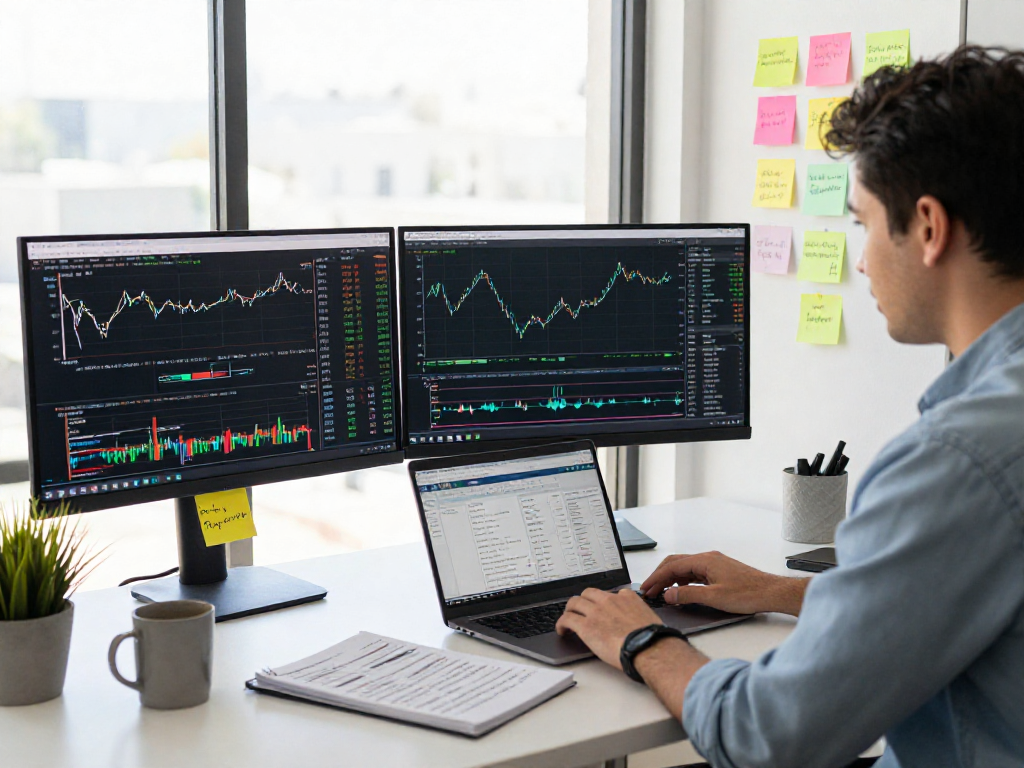
The price of gold has been historically volatile, influenced by various factors including economic cycles, political events, and even market speculation. Over the decades, the price has seen significant jumps, particularly during times of war or economic sanctions. To better understand its trajectory, examining historical price charts reveals periods of rapid price increases followed by corrections. The 1970s saw a major increase during inflationary pressures, while the 2008 financial crisis spurred a massive rally that culminated in record highs. Understanding these trends is crucial for predicting future movements in the gold market.
Factors Influencing Gold Prices
Numerous factors contribute to fluctuations in gold prices. Key among them are supply and demand dynamics, currency strength, and global economic stability. The value of gold is inversely related to the strength of the US dollar; as the dollar weakens, gold prices generally rise. Inflation and interest rate decisions by central banks also have direct impacts. Investors must assess these variables to make informed investment decisions regarding gold. Additionally, cultural factors and seasonal demand can bias price movements, particularly during festivals or wedding seasons in various geographies.
Understanding Gold Investment Options
Investing in gold can be approached in several ways, depending on an individual's investment preferences, risk tolerance, and financial goals. Each method offers distinct advantages and challenges, tailoring to different types of investors.
Buying Physical Gold
Purchasing physical gold is the most direct method of investing in this precious metal. Investors can buy gold in various forms, including coins, bars, and jewelry. While physical gold offers intrinsic value and can be stored securely, it involves considerations like storage costs and the need for assessment of authenticity. Liquidation of physical gold can also be challenging since it may not always sell at current market prices due to premiums attached to coins or collectibles.
Gold ETFs and Other Financial Instruments
Exchange-Traded Funds (ETFs) that focus on gold offer a way to invest without the need to store physical assets. These funds usually track the price of gold and can be easily traded like stocks. This method appeals to those looking for liquidity and lower transaction costs. Additionally, there are options like gold futures and options that offer leveraged exposure, suitable for seasoned investors who can manage increased risks.
Gold Stocks and Mining Investments
Investing in gold mining stocks is another viable way to gain exposure to the metal. While these stocks can be affected by the price of gold, they are also influenced by the operational aspects of mining companies, including production costs and geopolitical issues. Thus, while investors can benefit from rising gold prices, they also face risks associated with the individual companies and their operational health.
The Global Gold Market: An Overview
The gold market operates on a global scale, with countries around the world contributing to production, consumption, and trading in gold. Understanding the dynamics of this market can provide insight into pricing trends and future forecasts.
Key Producers of Gold Worldwide
Countries such as China, Australia, and Russia are recognized as some of the largest producers of gold. Each nation’s output affects global supply levels, contributing to shifts in pricing. Investors should watch for changes in mining regulations, labor issues, or technological advances that could impact production levels.
Emerging Markets and Gold Demand
Emerging markets, particularly India and China, are significant consumers of gold. Cultural traditions and economic growth in these regions drive demand, often leading to price surges during festive periods. Understanding regional demand can aid investors in anticipating market trends and potential price movements.
The Role of Central Banks
Central banks around the world manage their reserves in gold, influencing market dynamics significantly. When central banks buy or sell gold, it can lead to notable price fluctuations. Their decisions can be based on currency stabilization, inflation control, or economic strategies, reflecting the importance of gold as a reserve asset.
Evaluating Gold Price Predictions
Forecasting gold prices involves analyzing multiple economic indicators and trends. Both short-term and long-term predictions can be made based on current market conditions, consumer demand, geopolitical events, and economic policies.
Short-Term Gold Forecasts
Short-term forecasts are often influenced by immediate factors such as inflation data, interest rate changes, and geopolitical tensions. Traders typically utilize technical analysis to assess market sentiment and price patterns, focusing on fluctuations that can arise due to sudden news or economic reports.
Long-Term Gold Price Trends
Long-term trends often reflect broader economic cycles and historical patterns. Investors looking to hold gold for several years should evaluate macroeconomic indicators, such as global GDP growth and inflationary pressures, to predict gold's trajectory and make informed decisions regarding entry and exit points.
Influence of Global Events on Gold
Global events such as conflicts or economic downturns contribute significantly to periodic spikes in gold prices. Investors need to stay informed about global politics and economics as these things can trigger greater volatility and a search for safe-haven assets, most notably gold.
FAQs about Investing in Gold
What is the current price of gold per ounce?
The current price of gold per ounce is approximately $4,015.35.
How can I invest in gold?
Invest in gold by purchasing physical gold, investing in gold ETFs, or buying shares in gold mining companies.
What factors affect gold pricing?
Gold prices are influenced by currency strength, inflation rates, and global economic stability, among other factors.
Is gold a good investment?
Gold can be a good investment, especially during economic uncertainty, as it often retains value when other assets may decline.
How do I store physical gold?
Physical gold should be stored securely in a safe or a safety deposit box to protect against theft and damage.