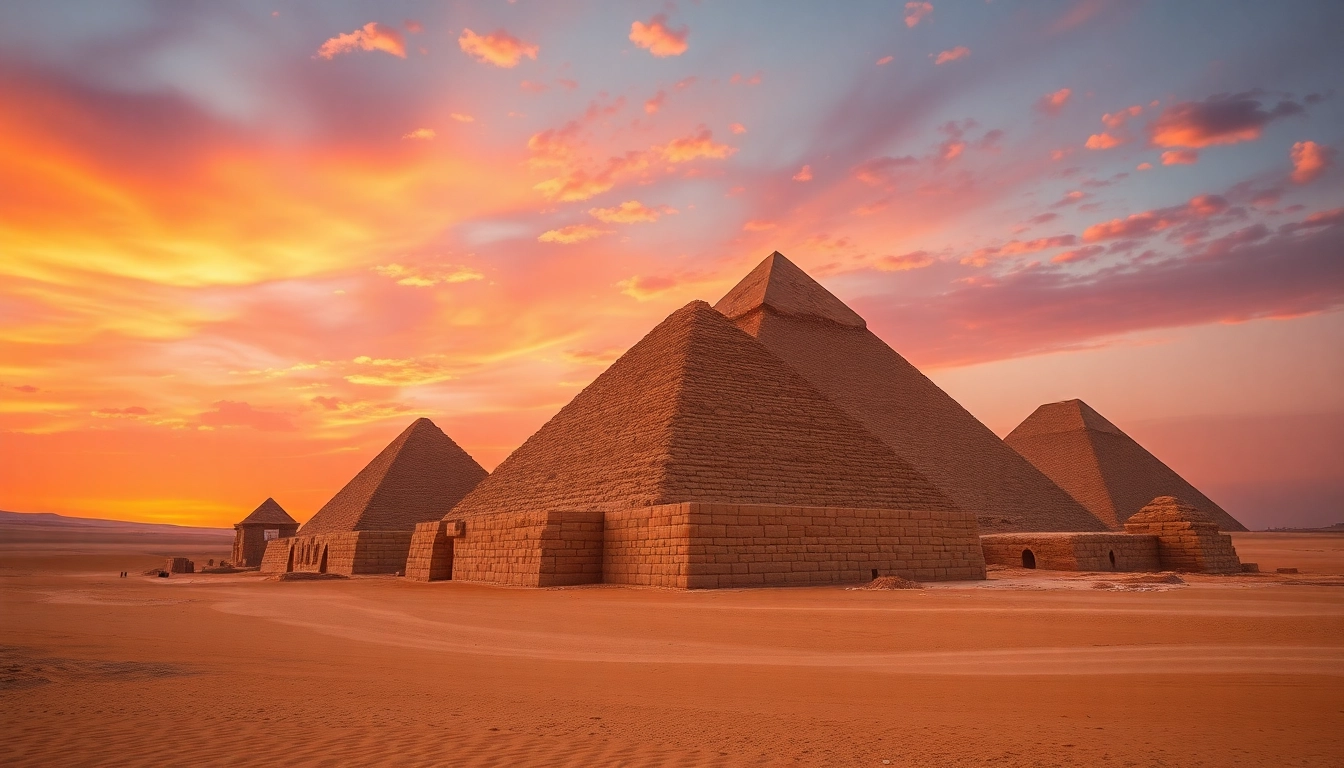
Understanding the Pyramids: History and Significance
The pyramids of Egypt are not merely fascinating structures of stone; they symbolize the profound culture, scientific know-how, and unyielding beliefs of an entire civilization. These monumental edifices serve as a testament to the architectural genius of ancient Egypt while also reflecting the complex spiritual and political landscapes of the time. The significance of the pyramids extends beyond merely being tombs for pharaohs; they embody centuries of history, culture, and innovation. For those intrigued by these ancient wonders, exploring their history can be as enlightening as visiting the piraminds themselves.
The Origin of the Pyramids
The construction of pyramids began during Egypt's Third Dynasty around 2630 BCE, initially evolving from simpler mastabas (flat-roofed tombs) to more complex and monumental structures. The first true pyramid, the Step Pyramid of Djoser, exemplified this evolution, showcasing architectural advancements and the ideation of pharaohs as divine beings. Over the centuries, pyramid construction techniques and designs culminated in the iconic pyramids at Giza, including the Great Pyramid of Khufu, a marvel of engineering that continues to inspire awe today.
Cultural Importance of Pyramids
Pyramids served as critical cultural symbols for ancient Egyptians. Beyond their function as tombs, they were integral to societal hierarchy and the pharaoh's role as intermediary between the gods and the people. The design and orientation of these structures often aligned with celestial bodies, reflecting the Egyptians' strong astronomical knowledge and deep-rooted spirituality.
Architectural Innovations
The construction of pyramids led to significant architectural and engineering innovations, including advanced techniques in stone cutting, transportation, and alignment with astronomical events. The use of limestone and granite, sourced from quarries miles away, required ingenious planning and organization. The precision with which the Great Pyramid was constructed—down to a difference of mere fraction of an inch over hundreds of feet—remains a topic for modern research and admiration.
Construction Techniques Behind the Pyramids
Materials Used in Pyramid Construction
The primary materials for pyramid construction were limestone and granite, chosen for their durability and aesthetic appeal. Limestone, often quarried locally, constituted the outer casing, while the inner core could include sandstone and other materials. Some pyramids featured intricate interior chambers lined with fine granite, which added to the monument's overall magnificence.
Labor Force and Worker Life
Contrary to the popular myth of pyramid construction being a burden carried out by slaves, evidence suggests that a skilled labor force comprising thousands of workers, including architects, laborers, and artisans, was mobilized. Records indicate that workers lived in nearby temporary cities that provided food, accommodation, and medical care. The organization and management of labor were crucial aspects of pyramid construction, showcasing an advanced understanding of logistics.
Theories of Construction Methods
Several theories exist regarding the construction methods used for the pyramids. The most widely accepted theories posit the use of ramps—for example, straight, zigzag, or circular ramps—to haul massive stones into place. Others suggest leveraging simple machines or constructing scaffolding, enabling workers to reach higher levels as the structure rose. Ongoing archaeological efforts continue to uncover evidence that could offer greater clarity on these ancient construction practices.
The Role of Pyramids in Ancient Egyptian Religion
Pyramids as Symbols of Afterlife
Within the context of ancient Egyptian religion, pyramids were viewed as gateways to the afterlife. The shape itself symbolized the rays of the sun, connecting the deceased pharaoh with the sun god Ra. The interiors of these pyramids often contained elaborate burial chambers aimed at ensuring the safe passage of the pharaoh into the afterlife, where they would continue to reign among the gods.
Funerary Practices and Beliefs
Burial practices accompanying pyramid construction were elaborate. Mummification, along with the placement of grave goods—including food, weapons, and precious artifacts—within the tombs, reflected the belief in an afterlife where such items would be useful. Rituals performed within these structures symbolized the pharaoh's journey to immortality, emphasizing their vital role in Egyptian spirituality.
Temples and Complexes Associated with Pyramids
Pyramids were often part of larger funerary complexes that included temples, smaller pyramids for queens, and various chapels. These complexes were dedicated to worshipping the deified pharaoh and involved a range of rituals to honor the dead. The interconnected architecture not only served practical functions but also showcased the grandeur of the pharaoh's eternity.
Current Research and Discoveries
Latest Archaeological Finds
Recent archaeological findings continue to redefine our understanding of the pyramids. Discoveries of hidden chambers, tools, and worker records provide insights into the construction processes and the lives of the workers. Notably, the ABC Discovery of hidden voids in the Great Pyramid has sparked renewed interest in what lies beneath and within these ancient wonders.
Technological Advances in Egyptology
Modern technology plays a crucial role in pyramid research. Non-invasive techniques such as ground-penetrating radar and 3D scanning enable researchers to explore the pyramids without disturbing their original structures. These technological advancements are essential for confirming or debunking longstanding theories surrounding the construction and purpose of pyramids.
The Future of Pyramid Research
The future of pyramid research appears promising as advancements in technology and increased international collaboration enhance archaeological efforts. Interdisciplinary approaches combining archaeology, anthropology, and engineering are more essential than ever. The quest to uncover the mysteries of the pyramids continues to attract scholars, fostering a deeper understanding of this influential civilization.
Visiting the Pyramids: Tips and Considerations
Best Times to Visit the Pyramids
The ideal time to visit the pyramids is during the cooler months, between October and April. This period offers pleasant weather for exploration and minimizes discomfort from the heat. Additionally, early morning or late afternoon visits can provide better lighting for photographs and a more serene experience away from the crowds.
What to Expect on Your Visit
Visitors to the pyramids can expect a breathtaking experience, enriched by guided tours that reveal the history and significance behind each structure. Be prepared for vast landscapes and considerable walking. Amenities like snack bars, shops, and rest areas are available within the site, although it's advisable to carry water and sunscreen.
Sustainable Tourism Practices
As interest in visiting the pyramids grows, sustainable tourism has become paramount. Visitors are encouraged to respect the site, follow guidelines set by authorities, and minimize their environmental footprint. Engaging in responsible practices ensures the preservation of these ancient treasures for future generations while supporting local economies.
FAQs about the Pyramids
1. Why were pyramids built?
Pyramids were built primarily as tombs for pharaohs, symbolizing their wealth and power, while serving as gateways to the afterlife.
2. How were the pyramids constructed?
Construction involved advanced techniques with ramps and skilled labor, allowing workers to transport and position massive stones with great precision.
3. What materials were used for the pyramids?
Primarily limestone for the exterior casing and granite for chambers; these materials were sourced from local quarries and transported to the construction sites.
4. Who built the pyramids?
The pyramids were built by a workforce of skilled laborers who worked in organized teams, contrary to the notion of slavery.
5. Are there hidden chambers in the pyramids?
Yes, ongoing research has identified several hidden chambers in pyramids, utilizing modern technology to explore without disturbing the structures.