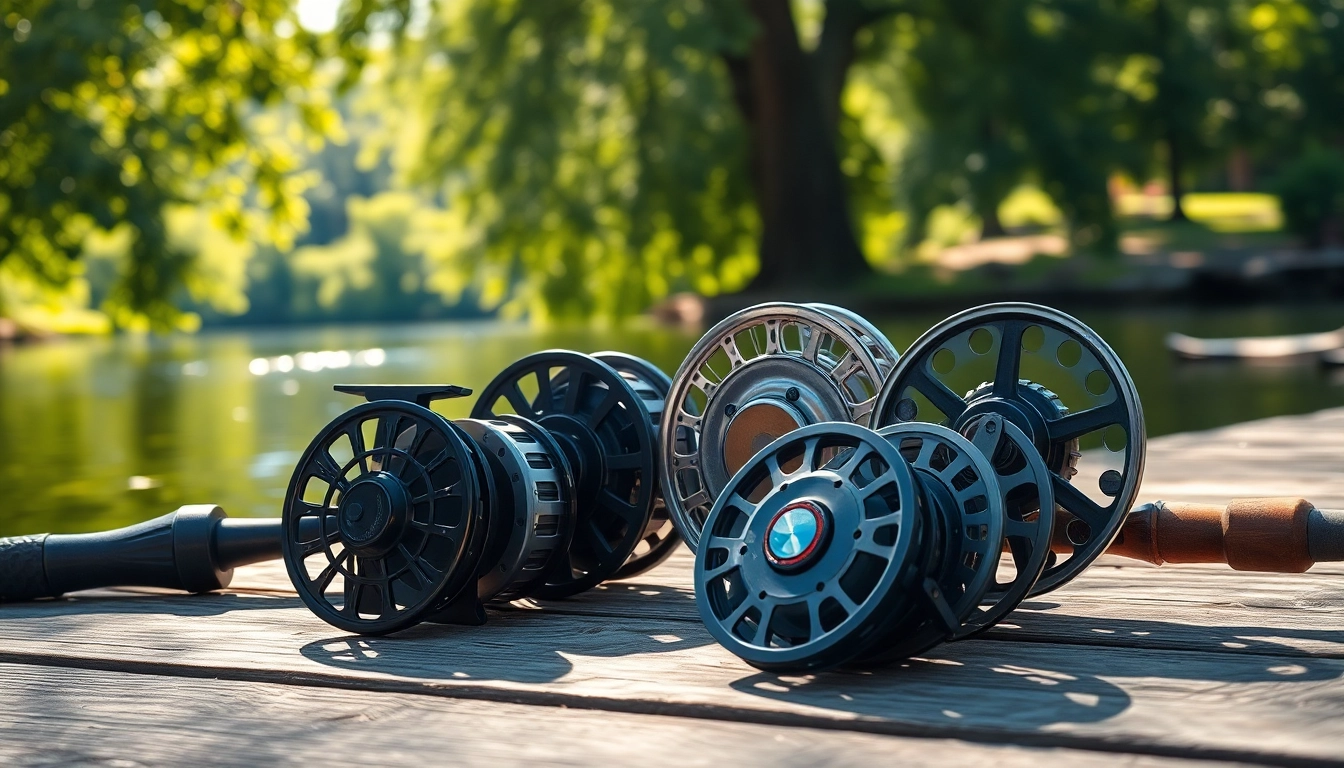
Understanding the Best Fly Fishing Reels
When it comes to fly fishing, having the right equipment is crucial, and this begins with selecting the best fly fishing reels. A great fly reel not only aids in performance but can significantly enhance your fishing experience. In this comprehensive guide, we'll dissect the elements that make a fly reel outstanding and help you identify the right choice for your fishing adventures.
What Makes a Reel Great?
The greatness of a fly reel can be assessed based on several key features, including durability, weight, drag system, and retrieval speed. An excellent fly reel should effectively balance these components while catering to the angler's experience level and fishing conditions. A reel with a smooth drag system, for instance, allows for a seamless interaction with the line, preventing breakage during critical moments.
Key Features to Consider
- Drag System: A higher-quality drag system is essential for controlling fish during a catch. Look for reels that offer a smooth, consistent drag that can handle tough fighters.
- Material: Reels made from aluminum or high-grade composites are often lighter yet more durable, making them ideal for various fishing conditions.
- Weight: The weight of the reel should match the rod to ensure balance and avoid fatigue during long fishing sessions.
- Arbor Size: Large arbor reels provide quicker line retrieval which can be beneficial when a fish makes a run.
Types of Fly Fishing Reels
Generally, fly fishing reels can be divided into three categories:
- Single Action Reels: These reels are simple and straightforward, perfect for beginners.
- Multiplying Reels: These offer a mechanical advantage, allowing for a quicker retrieve, making them popular among experienced anglers.
- Automatic Reels: Using a spring mechanism, these reels rewind without manual effort, although they require more maintenance.
Choosing the Best Fly Fishing Reels for Your Needs
Choosing a fly reel is not simply a matter of preference; it's about matching the reel to your fishing style and target species. Here are some steps to guide your selection.
Matching Reels to Rods
Choosing a reel that pairs well with your rod is critical for optimal performance. A common rule of thumb is to match the reel's weight category with the rod's weight. For instance, if you have a 5-weight rod, ideally, your reel should also fall within the 5-weight category. This balance will ensure better control and reduce fatigue.
Budget vs. Performance: Finding Balance
Your budget significantly influences your options for fly reels. While expensive models might offer high-end features, numerous mid-range reels offer excellent performance. It's essential to define what features you truly need versus what you can compromise. Investing in essential features such as a reliable drag system and solid construction can yield better long-term value.
Popular Features and Technologies
Modern fly reels are often equipped with advanced technologies that enhance their usability, including:
- Sealed Drag Systems: These systems prevent dirt and water from affecting performance, thus enhancing durability.
- Quick Release Spools: These allow for faster line changes and easier maintenance.
- Carbon Fiber Components: Light and robust, these materials are increasingly used to improve overall performance without increasing weight.
Top Picks in the Category of Best Fly Fishing Reels
Here's a curated list of fly fishing reels that excel in various categories to cater to different anglers.
Best for Beginners
For those new to fly fishing, user-friendly reels with straightforward mechanisms are ideal. Look for models that balance quality with price and offer simple drag systems while allowing for easy adjustments and line management.
Best for Advanced Anglers
Advanced anglers require reels that provide enhanced performance capabilities. These typically feature more complex drag systems, specialized materials, and the latest technologies to maximize efficiency and control during intense fishing situations.
Best Budget Options
Budget-conscious anglers can find excellent options that deliver both performance and durability. Look for durable materials, reliable drag systems, and a good balance with your rod to ensure you don't compromise on quality while sticking to your budget.
Maintenance Tips for Your Fly Fishing Reels
To prolong the lifespan of your fly reel, regular maintenance is essential. Here are some key tips:
Cleaning Your Reel
After each fishing trip, give your reel a good rinse with fresh water to remove dirt and salt. Use a soft cloth to dry it off, paying particular attention to the drag system and other moving parts. If your reel is exposed to saltwater, consider using a specialized reel cleaner.
Storage Solutions
Proper storage can prevent wear and tear on your reels. Store them in a climate-controlled environment, avoiding humid areas. Consider using reel cases to protect them from bumps and scratches.
Common Repairs
Be proactive about common issues, such as replacing line and backing, checking drag settings, and tightening any loose screws. Familiarizing yourself with your reel can help you identify problems early and maintain its performance.
FAQs about the Best Fly Fishing Reels
What is the best fly fishing reel for beginners?
The best fly fishing reel for beginners is one that’s easy to use, has a reliable drag system, and is durable yet affordable to give you a good entry point into the sport.
How do I maintain my fly fishing reel?
To maintain your fly fishing reel, rinse it with fresh water after each use, dry it thoroughly, and store it in a cool, dry place. Regular inspections for wear and tear will also help prolong its lifespan.
What are the advantages of a sealed reel?
A sealed reel offers protection against dirt, sand, and moisture, ensuring smoother performance and prolonging its lifespan by preventing corrosion and wear from the elements.
Can I use a saltwater reel in freshwater?
Yes, most saltwater reels can be used in freshwater environments. However, not all freshwater reels are suitable for saltwater, as they may lack the necessary corrosion resistance.
How much should I spend on my first fly fishing reel?
As a beginner, you should consider spending between $100 and $200 for a good quality fly reel. This range typically provides a balance of quality features and affordability.