The Basics of Engineered Composites
What are Engineered Composites?
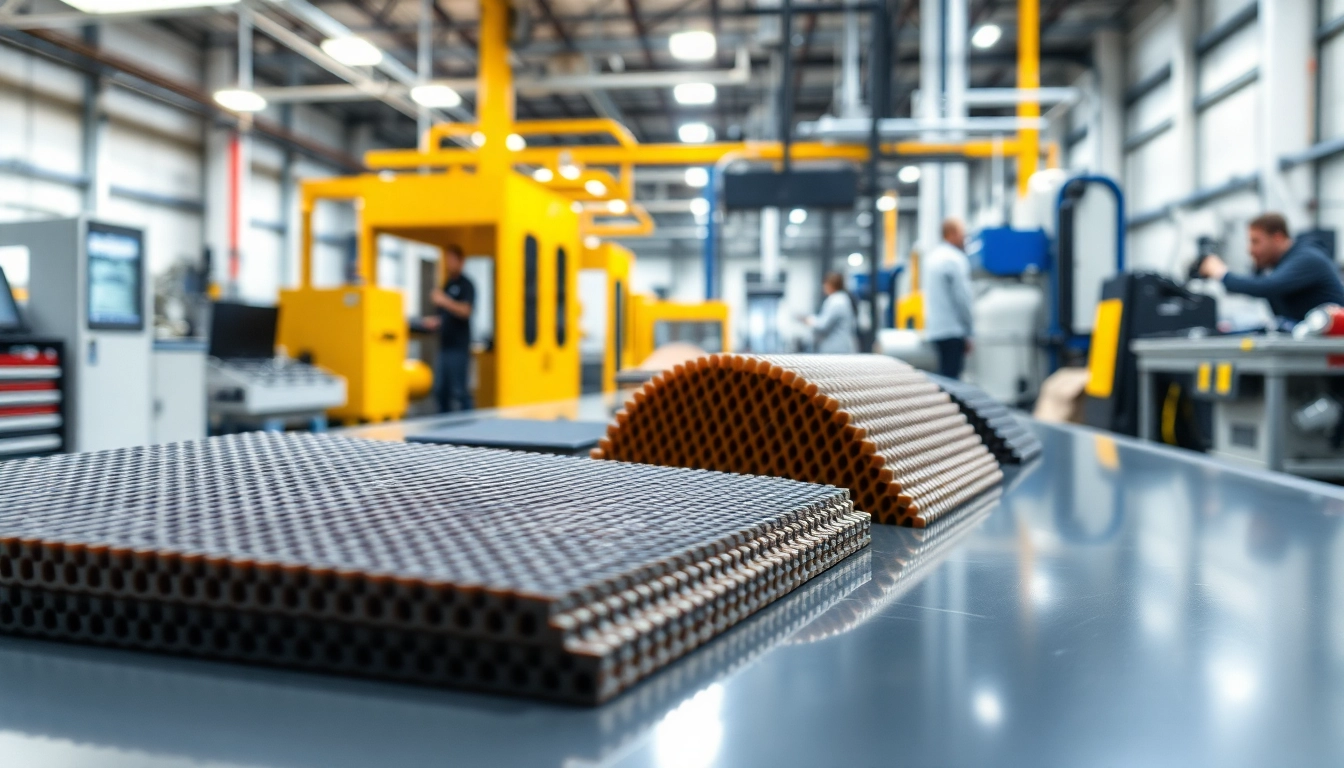
Engineered Composites refer to a specialized category of materials that combine two or more constituent materials to achieve enhanced properties that cannot be obtained with individual materials alone. These composites are designed purposely to provide superior mechanical performance, durability, and functionality. By utilizing a matrix material, which can be a polymer, metal, or ceramic, in conjunction with reinforcing materials like fibers or particulate matter, engineered composites create a synergistic effect, resulting in a product that is often lightweight yet exceedingly strong. For more informative insights, visit Engineered Composites.
Key Components of Engineered Composites
The primary components of engineered composites include:
- Matrix: This is the primary phase that governs the material's shape and holds the reinforced materials in place. Common matrix materials include thermosetting and thermoplastic polymers, metals, and ceramics.
- Reinforcements: These components enhance the mechanical properties of the composite. They can be fibers (glass, carbon, or aramid) or particulate fillers designed to add strength against various loads.
- Interface: The region where the matrix and reinforcement interact plays a critical role in determining the overall strength and performance of the composite. Effective bonding is essential for maximizing load transfer between the matrix and the reinforcements.
Differences between Composites and Traditional Materials
Unlike traditional materials (steel, aluminum, or plain plastics), engineered composites demonstrate unique advantages. Traditional materials often exhibit uniform properties, while engineered composites can be tailored to specific needs. This adaptability includes varying the types of reinforcement, matrix, and the manner they are combined. Moreover, engineered composites can enhance performance while reducing weight, which is particularly critical in sectors like aerospace and automotive.
Properties of Engineered Composites
Mechanical Strength and Durability
Engineered composites are known for their exceptional mechanical strength, often surpassing that of metals. Their durability under various environmental stresses, fatigue resistance, and ability to withstand high loads make them suitable for demanding applications. The use of high-strength fibers such as carbon or Kevlar contributes significantly to these properties, providing a robust structure that can endure harsh conditions.
Lightweight Characteristics
One of the standout characteristics of engineered composites is their lightweight nature. By maximizing strength while minimizing weight, these materials enable designs that enhance fuel efficiency in aircraft and vehicles while maintaining structural integrity. In many cases, the specific strength (strength-to-weight ratio) of engineered composites allows for substantial reductions in overall weight compared to traditional materials.
Resistance to Environmental Factors
Engineered composites exhibit a remarkable resistance to environmental factors such as moisture, UV radiation, and chemicals. This resistance minimizes degradation over time and enhances the longevity of products made from composite materials. These qualities are particularly valuable in sectors like construction and marine applications, where prolonged exposure to harsh conditions is common.
Applications of Engineered Composites
Common Industrial Uses
Engineered composites have found diverse applications across various industries. They are extensively used in construction for stronger and more efficient building materials, in electronics for housings and components that require reduced weight, and in industrial applications such as machinery where high strength and durability are essential.
Role in Aerospace Engineering
The aerospace industry has widely adopted engineered composites due to their lightweight and robust properties. Components such as wings, fuselage sections, and interior parts frequently utilize carbon fiber reinforced polymers (CFRP) to reduce weight while enhancing performance. Such innovations not only improve fuel efficiency but also contribute to lower operational costs.
Innovations in Automotive Design
In the automotive sector, the integration of engineered composites is pivotal for creating lighter, more fuel-efficient vehicles without compromising safety. Components such as body panels, chassis, and interior structures frequently leverage composite technologies. This trend assists manufacturers in meeting stricter regulations for emissions while enhancing performance metrics simultaneously.
Advantages of Using Engineered Composites
Cost-Effectiveness Over Time
While the initial costs of engineered composites can be higher compared to traditional materials, the long-term benefits often outweigh these expenses. Their durability and resistance to wear translate into lower maintenance costs and longer product life cycles. Additionally, when decreased weight leads to enhanced fuel efficiency in the aerospace and automotive sectors, overall operating costs are significantly reduced.
Improved Performance Metrics
Engineered composites provide improved performance metrics in terms of strength, stiffness, and weight. These materials can be tailored to match specific requirements for a given application, allowing for pioneering designs that were previously unattainable. This flexibility ensures that products not only perform better but also enhance the end user's experience through improved responsiveness and efficiency.
Sustainability Benefits
With growing concerns over environmental impacts, engineered composites offer multiple sustainability advantages. Many composite materials can be designed to be recyclable or made from renewable resources, reducing waste at the end of their life cycle. This eco-friendliness aligns with global efforts toward sustainability in manufacturing and production.
FAQs About Engineered Composites
What are typical materials used in Engineered Composites?
Common materials include carbon fibers, glass fibers, aramid fibers, epoxy resins, thermoplastics, and metals. These components provide specific properties depending on the intended application.
How are Engineered Composites manufactured?
Manufacturing methods include hand lay-up, vacuum infusion, and automated processes for large-scale production. The method chosen impacts the final properties and complexities of the composites.
What industries benefit most from Engineered Composites?
Key industries include aerospace, automotive, construction, marine, and electronics. Each sector benefits from lightweight, strong, and durable materials that enhance performance and longevity.
Are Engineered Composites environmentally friendly?
Many engineered composites can be made from sustainable materials and are recyclable. Their long lifespan also reduces waste compared to traditional materials.
What is the future of Engineered Composites technology?
The future involves innovations like bio-based composites, improved manufacturing techniques, and enhanced recyclability. Advanced research continues to expand their applications and performance capabilities.