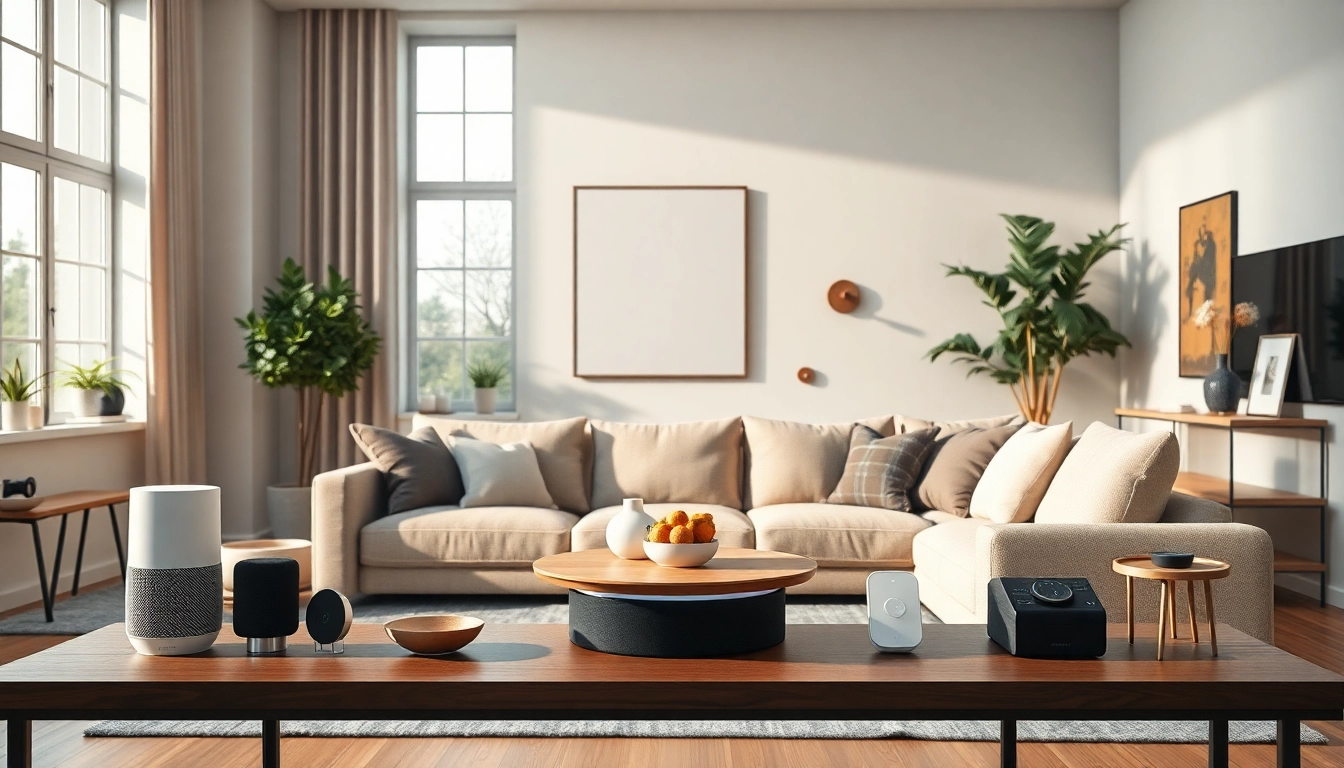
Understanding Smart Home Automation Concepts
The rise of smart home automation has revolutionized the way we think about our living spaces. By integrating various devices and systems, homeowners can create a seamless, efficient, and adaptable home environment. In this article, we will explore the intricacies of smart home automation, its benefits, and how it can transform your daily life through enhanced convenience and security. By the end of this guide, you will have a comprehensive understanding of how to navigate the world of smart home automation effectively.
What is smart home automation?
Smart home automation refers to the use of technology to control and manage home appliances and systems remotely from a mobile device or computer. This technology allows devices and systems to communicate with one another and operate in unison, providing users with the capability to create personalized settings and schedules. A smart home can include various devices, such as lighting, security systems, heating and cooling systems, and even kitchen appliances—all connected through a centralized platform.
Benefits of smart home automation
The proliferation of smart home automation offers numerous advantages for homeowners. Some of the most notable benefits include:
- Convenience: Remote control access allows users to operate devices from anywhere, using smartphones or voice commands.
- Energy efficiency: Smart systems can optimize energy use, helping to reduce utility bills and waste.
- Enhanced security: Automated security systems provide real-time alerts and remote surveillance, increasing peace of mind.
- Customization: Users can tailor their home automation settings according to individual preferences and routines.
- Increased property value: An automated home can enhance its market appeal, making it more attractive to potential buyers.
Key components of a smart home system
An effective smart home automation system consists of various interconnected components. Understanding these elements is crucial for setting up a comprehensive system:
- Hub: The main control center that connects all smart devices, enabling communication and coordination.
- Smart devices: These include smart speakers, thermostats, lights, cameras, and appliances that can be controlled remotely.
- Sensors: Devices like motion detectors and door/window sensors that enhance security and energy management.
- Software applications: User-friendly apps that allow users to monitor and control all connected devices from their smartphones or tablets.
Essential Devices for Smart Home Automation
Understanding the essential devices that constitute a smart home setup is vital for achieving optimal automation. Here’s a deep dive into some of the most crucial components:
Smart lighting solutions
Smart lighting systems offer customizable lighting options that can improve energy efficiency and ambiance. Users can adjust brightness levels, change colors, and set schedules for when lights should be on or off. Furthermore, smart lighting can be integrated with security systems to simulate occupancy when users are away, creating a safer environment.
Smart security integrations
Smart security systems can encompass a variety of devices such as surveillance cameras, smart locks, and alarm systems that can be monitored and controlled remotely. Integration with a smart home hub allows users to receive alerts, view live feeds, and control access to their property through a single platform, enhancing safety and reliability.
Smart climate control options
Smart thermostats and climate control systems provide significant advantages in maintaining comfortable living conditions. With the ability to learn user habits and preferences, these devices can optimize heating and cooling schedules, ultimately leading to reduced energy consumption and cost savings. Climate control can also be customized remotely through smartphone apps.
Installing Your Smart Home Automation System
Installing a smart home automation system requires careful planning and execution to ensure optimal performance. Here’s a guide to help you through the process.
Planning your smart home layout
Before installation, outline your smart home needs and decide which areas and devices you wish to automate. Consider factors such as device compatibility, layout convenience, and potential for expansion in the future. Create a comprehensive plan that covers the desired devices, their locations, and how they will interact with one another.
Step-by-step installation process
The installation of a smart home system typically involves the following steps:
- Choosing your hub - Select a compatible hub that supports all desired devices.
- Installing devices - Follow the manufacturer instructions for connecting devices to the hub.
- Configuring the app - Download the corresponding app to facilitate remote control and automation.
- Creating routines and schedules - Set personalized automation triggers based on your lifestyle.
- Testing the system - Ensure all devices are functioning as expected and adjust settings as necessary.
Common installation pitfalls
During installation, there are several common pitfalls to avoid:
- Incompatibility: Ensure all devices are compatible with your chosen hub.
- Poor network coverage: Make sure to have a strong Wi-Fi signal to prevent connectivity issues.
- Ignoring updates: Keep devices updated to utilize the latest features and security enhancements.
Maintaining Your Smart Home Automation System
Regular maintenance is essential to ensure the longevity and security of your smart home automation system. Below are some best practices for effective maintenance:
Regular updates and firmware considerations
Firmware updates often include essential security patches and functionality improvements. Schedule regular checks for updates on all devices, as failing to do so can expose your system to vulnerabilities.
Troubleshooting common issues
Common issues may arise, such as devices failing to connect or respond. Always start with basic troubleshooting steps like resetting the device or checking your Wi-Fi connection. Refer to the manufacturer’s support resources for more extensive troubleshooting guides.
When to seek professional help
If you encounter persistent issues or require a more complex setup, consider consulting with a professional. They can provide specialized knowledge and skills that ensure a fully functional and secure smart home system.
Future Trends in Smart Home Automation
The field of smart home automation is rapidly evolving. Staying informed about the latest trends is crucial for optimizing your living space. Here are the current emerging trends:
Emerging technologies to watch
As technology progresses, look for advancements in AI, IoT (Internet of Things), and machine learning that will make smart home devices even more intuitive and efficient. These technologies will facilitate greater device interoperability and automation.
Integration with AI systems
AI will become central in home automation, allowing devices to learn user preferences and behavior. As AI systems advance, they will provide smarter assistance, enhancing daily convenience.
Home automation and sustainability efforts
Smart home automation will increasingly focus on energy efficiency and sustainability. Devices will be designed to minimize environmental impact, helping homeowners contribute to a more sustainable future while benefiting from reduced costs.
FAQs about Smart Home Automation
1. What is the primary benefit of smart home automation?
The primary benefit is enhanced convenience, as it allows remote control and automation of various home functions via a centralized system.
2. Can I integrate different brands in my smart home system?
Yes, most systems allow compatibility between different brands, especially if they support common standards like Zigbee or Z-Wave.
3. Is smart home automation secure?
While security risks exist, adopting best practices such as regular updates and strong passwords can significantly mitigate these risks.
4. How do I start with smart home automation?
Begin by identifying your needs, choosing a compatible hub, and then selecting devices that fit those needs. Planning is key.
5. Can smart home devices save me money?
Yes, smart devices can reduce energy consumption, leading to lower utility bills over time through efficient usage.