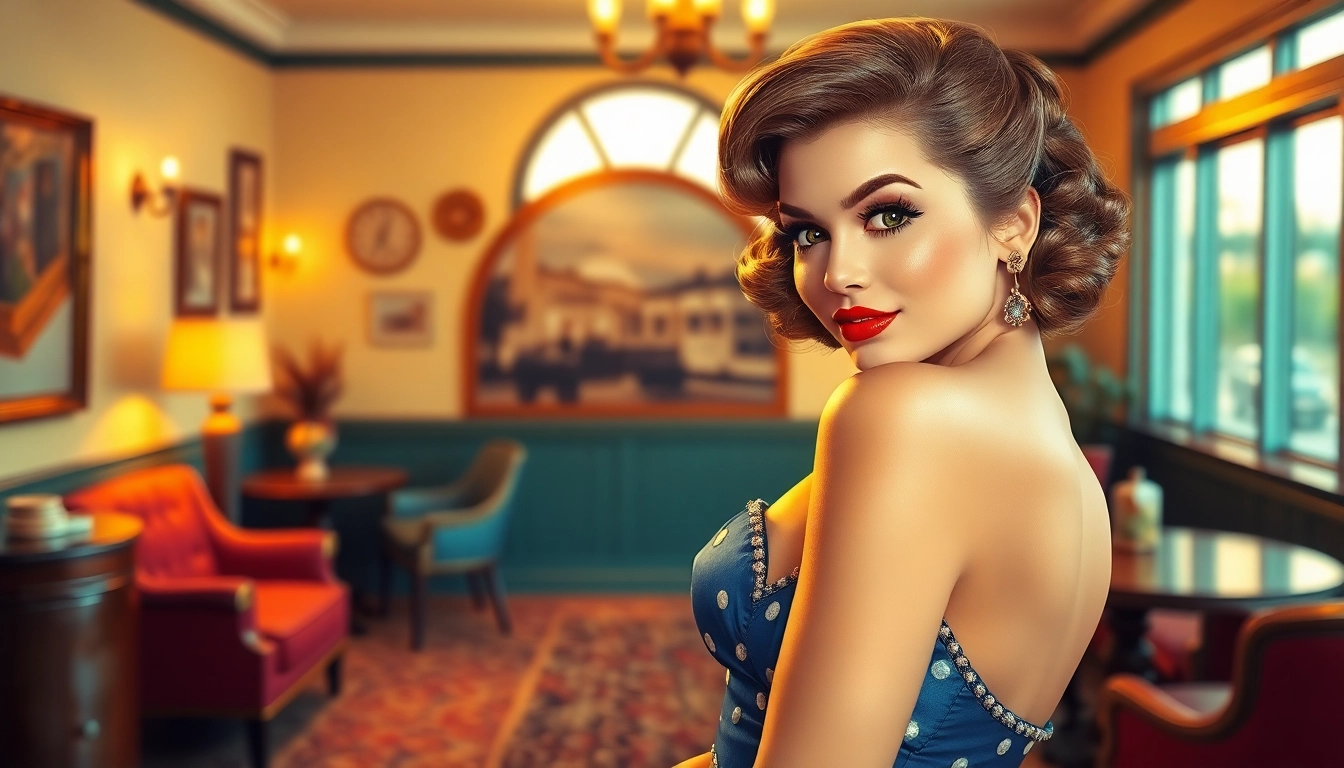
The Artistry Behind Varga Girls
The world of vintage pin-up art is a vibrant tapestry woven from threads of glamour, allure, and creativity. At the heart of this tapestry lies the iconic work of Alberto Vargas, celebrated for his enchanting depictions of the "Varga Girls." This article embarks on a journey through the artistry of Vargas, examining the unique style that distinguishes his illustrations, the historical backdrop of 1940s pin-up art, and the lasting influence his work has had on both modern art and culture. For more insights on this captivating topic, you can visit https://www.esquirevargas.com.
Understanding the Unique Style of Varga's Illustrations
Alberto Vargas revolutionized the pin-up art genre with his signature airbrushed style, characterized by a blend of realism and fantasy. His illustrations of the Varga Girls are renowned for their vibrant colors, soft contours, and the idealization of feminine beauty. Vargas employed a meticulous process of layering paint and using airbrush techniques that allowed him to create the ethereal glow that became his trademark. This attention to detail not only highlighted the allure of his subjects but also reflected the idealized standards of beauty prevalent during the era.
Central to Vargas's artistry is the essence of sensuality and playfulness. His subjects often exude confidence and poise, striking poses that seem spontaneous yet are carefully crafted. The expressions on the faces of Varga Girls capture a sense of joy and freedom, inviting viewers to engage with their charm. Vargas's ability to blend these elements effectively made his illustrations not just art but also a reflection of the cultural zeitgeist of the 1940s.
Historical Context: Pin-Up Art in the 1940s
The 1940s marked a pivotal moment for pin-up art, coinciding with WWII and the shifting perceptions of femininity and sexuality. As men went to war, the concept of the pin-up girl evolved into a symbol of hope and nostalgia for soldiers, representing the idealized women they had left behind. Publications like Esquire magazine saw an increase in pin-up illustrations, serving both as a form of entertainment and as a morale booster for troops. Vargas's work was instrumental in this movement, bringing sophistication and artistry to an art form that often relied on mere titillation.
Moreover, the pin-up culture of the 1940s was intertwined with the evolving roles of women in society. As women began to take on more prominent roles in the workforce, their representation in art reflected this newfound independence. Vargas's Varga Girls epitomized the duality of feminine allure and empowerment, presenting women as both strong figures and captivating muses. This cultural shift paved the way for future discussions around gender and representation in art.
Vargas' Influence on Modern Art and Culture
The legacy of Alberto Vargas reaches far beyond his own era, influencing generations of artists and creators who followed in his footsteps. His techniques have been studied and emulated in various forms of visual art, including advertising, fashion, and even contemporary digital illustrations. Vargas's ability to capture the essence of femininity has resonated with modern pop culture, as evident in the resurgence of pin-up art in fashion and media.
Moreover, the Varga Girls have perpetuated their presence in popular culture, often serving as inspirations for modern interpretations of beauty. From modern photography to tattoo art, the influence of Vargas’s style can be observed in various creative expressions. The blending of nostalgia and contemporary sensibilities demonstrates how his art continues to captivate and inspire, proving that true artistry transcends time.
Collecting Varga Artworks
For art enthusiasts and collectors, acquiring Varga artworks can be an exhilarating venture. The allure of owning a piece of history comes with its own set of challenges, particularly in discerning authenticity and understanding the market trends. This section delves into the intricacies of collecting Varga art, offering insights on how to navigate the marketplace and ensure a worthwhile investment.
How to Identify Authentic Varga Pieces
When venturing into the world of Varga art, knowing how to identify authentic pieces is crucial. Authentic Varga illustrations are characterized by the distinctive style Vargas developed, as well as specific techniques he used, such as airbrushing and vibrant color palettes. Collectors should familiarize themselves with exhibition catalogs, art books, and reputable resources that highlight the hallmark traits of Vargas's work.
In addition to stylistic recognition, provenance plays a significant role in verifying authenticity. Collectors should seek documentation that traces the historical ownership of a piece, which can include previous sales, gallery exhibitions, or inclusion in published catalogs. Engaging with reputable galleries and auction houses specializing in vintage artworks can also provide assurance of authenticity.
Market Trends: Value of Varga Artworks Today
The value of Varga art has fluctuated over the years, influenced by various factors including rarity, condition, and market demand. Today, the market for vintage pin-up art, particularly works by revered artists like Vargas, is experiencing a renaissance, driven by the increased appreciation for retro aesthetics and nostalgia for bygone eras.
To gauge the value of Varga artworks, collectors should monitor auction results and sales data from reputable art galleries. Typically, original pieces or those with significant provenance fetch higher prices compared to reproductions. Investing in Varga artworks can serve as both a passionate pursuit and a financially strategic decision, provided collectors remain informed about market dynamics.
Recommended Platforms for Collectors
For collectors seeking to buy or sell Varga artworks, several platforms have emerged as valuable resources. Online auction houses and galleries that specialize in vintage art frequently feature collections that include Varga pieces. Websites offering art sales or auctions provide an accessible means for collectors to explore options worldwide.
Additionally, social media platforms and online communities dedicated to art collecting offer insights and recommendations for networking with fellow enthusiasts. Engaging with these communities can yield tips on where to find authentic pieces and stay updated on market trends.
Varga Girls in Popular Culture
The enchanting allure of Varga Girls extends beyond art into the vast realm of popular culture. As icons of beauty and femininity, they have inspired countless works across various media, representing more than just artistic expressions but cultural touchstones that resonate with audiences. This section explores the legacy of Vargas's work as reflective art in contemporary society.
The Legacy of Varga and Esquire Magazine
Esquire Magazine played an instrumental role in popularizing Vargas's work during the 1940s, showcasing the Varga Girls on its pages as symbols of aspirational beauty. As the magazine evolved, so did the cultural implications of the Varga illustrations. They were not merely pin-ups but rather articulate expressions of women's newfound agency during a time of societal change.
The partnership between Vargas and Esquire is historically significant, marking a period where art and media intersected to reshape perceptions of femininity. The meticulous curation of Varga’s works in the magazine served to elevate the status of pin-up art as a credible and revered genre, thereby inspiring future artists and editorial standards.
Film and Media References to Varga's Work
Throughout the years, the evocative imagery of Varga Girls has made appearances in various films, television shows, and advertisements, cementing their place in the visual lexicon of popular culture. Filmmakers have drawn on the allure of Vargas's illustrations to evoke nostalgia and romance, often incorporating them as motifs or references to convey complex themes relating to femininity or glamour.
Moreover, music videos and fashion campaigns have embraced Varga's aesthetic, often replicating the sophisticated yet playful visual language intrinsic to his work. These references not only celebrate the art form but highlight the ongoing relevance of Varga’s vision in a modern context.
Public Perception: Varga Girls Through the Decades
Public perception of Varga Girls has transformed significantly since their first introduction to mainstream consciousness. Initially viewed solely as alluring pin-ups, they have evolved into symbols of empowerment and artistic merit. As cultural norms regarding gender and body image have shifted, the Varga Girls have increasingly been recognized not only for their beauty but for their role in reflecting the broader societal changes that occurred during the 20th century.
Today, there’s a growing movement that seeks to reframe the narrative surrounding vintage pin-up art. Collectors and admirers are championing the idea that Varga’s work embodies both aesthetic pleasure and cultural significance, urging audiences to appreciate the artistry behind these iconic images rather than viewing them merely through the lens of nostalgia.
Preserving Vintage Art
As with any form of art, preserving vintage pin-ups requires attention to detail and careful consideration of best practices. For collectors who aim to maintain the integrity of Varga artworks, this section outlines effective methods for storing, displaying, and restoring these pieces, ensuring their charm endures for future generations.
Best Practices for Storing and Displaying Art
Proper storage and display of vintage artworks are critical to their preservation. Varga artworks, often crafted on paper, require controlled environments free from moisture, extreme temperatures, and direct sunlight to prevent deterioration. Utilizing acid-free materials for framing and storage helps mitigate the risk of damage, ensuring the longevity of the piece.
For display, collectors are advised to use UV-filtering glass or acrylic for framing to protect against light exposure. Additionally, positioning artworks in areas with stable temperatures and humidity can thwart potential damage. Periodic assessments for signs of wear and tear are also essential in maintaining the artwork’s condition.
Restoration Techniques for Vintage Pin-Ups
Restoration of vintage pin-up art can be a delicate undertaking, and it is crucial to approach the process with expertise and caution. Minor touch-ups may involve cleaning the surface with appropriate materials, while more extensive restoration could require consulting professional conservators who specialize in vintage artworks.
When considering restoration, collectors should weigh the importance of preserving the original aesthetic versus enhancing the piece. Authenticity and integrity are paramount; therefore, any restoration work should be documented, ensuring transparency and maintaining the provenance of the artwork.
Connecting with Other Collectors and Enthusiasts
The world of vintage art collecting is enriched by the community of enthusiasts and collectors. Establishing connections with like-minded individuals can provide invaluable resources and insights into the world of collecting Varga art. Online forums, social media groups, and local art associations provide platforms for discussion, knowledge sharing, and camaraderie.
Participating in art fairs, workshops, and exhibitions allows collectors to engage with fellow enthusiasts and explore the latest trends in vintage pin-up art. These interactions can lead to fruitful exchanges of information about preservation techniques, market trends, and acquisition opportunities, ultimately enhancing the collector's journey.
The Future of Pin-Up Art
As the art world continually evolves, the future of pin-up art presents exciting possibilities for innovation and reinterpretation. This section examines emerging trends within the art scene and explores how artists are bridging vintage aesthetics with modern design. Additionally, it highlights opportunities for new artists drawing inspiration from Vargas's timeless work.
Emerging Trends in the Art World
Recent years have seen a resurgence in the popularity of vintage aesthetics, including pin-up art. As designers and artists look to the past for inspiration, pin-up themes are finding their way into contemporary fashion, graphic design, and digital art. This trend reflects a desire for authenticity and traditional craftsmanship in an increasingly digital world.
Furthermore, social movements advocating for body positivity and diversity are reshaping the way femininity is portrayed in art. Contemporary pin-up art is beginning to embrace a broader spectrum of body types and ethnicities, reflecting a more inclusive approach that aligns with current values. This shift indicates a growing acceptance and appreciation of the varied representations of beauty.
Bridging Vintage Art with Modern Design
The dialogue between vintage pin-up art and modern design continues to flourish, creating a space where new ideas are infused with traditional techniques. Designers are integrating vintage elements into contemporary projects, from clothing lines featuring retro graphics to home decor inspired by classic aesthetics.
This synergy represents a rich intersection of nostalgia and innovation, allowing for the evolution of pin-up art while respecting its roots. As artists experiment with blending styles, we can expect a dynamic future for pin-up art that honors its legacy while pushing creative boundaries.
Opportunities for New Artists Inspired by Vargas
For emerging artists, the legacy of Alberto Vargas presents an inspiring foundation upon which to build their own work. Aspiring creators can take cues from Vargas’s techniques, exploring the power of femininity, beauty, and narrative within their artistry. By reinterpreting the essence of pin-up art, new artists have the potential to carve out their own unique identities while paying homage to the past.
Moreover, platforms dedicated to showcasing new talents offer opportunities for artists to reach wider audiences. Emerging creators can leverage social media, online galleries, and collaborative projects to gain visibility and connect with art collectors and enthusiasts. The future holds endless possibilities for those willing to innovate while remaining inspired by the timeless allure of Vargas's work.