Understanding Vintage Fashion Trends
Defining Vintage: What Makes It Special?
Vintage fashion embodies more than just clothing; it represents a rich tapestry of history, culture, and evolution in personal style. Generally, vintage items refer to clothing and accessories that are genuinely old, typically 20 years or older, whilst still being fashionable. This distinctiveness is what makes vintage special—it carries stories from previous eras, reflecting societal trends, artistic movements, and individual expression.
Enthusiasts often seek vintage pieces because they offer uniqueness that contemporary fast fashion cannot replicate. Each vintage item comes with its own character, often showcased through distinct patterns, fabrics, and craftsmanship that have sometimes been lost in modern mass production. When curating a vintage wardrobe, it's essential to understand this historical significance, as it adds depth to your personal style and makes your outfit more than just a fashion statement.
Current Vintage Trends to Watch
The world of vintage fashion is continuously evolving, merging retro styles with contemporary sensibilities. Key trends currently making waves include:
- 1980s Power Suits: Oversized blazers and bold shoulder pads have made a resurgence, emphasizing confidence and sophistication.
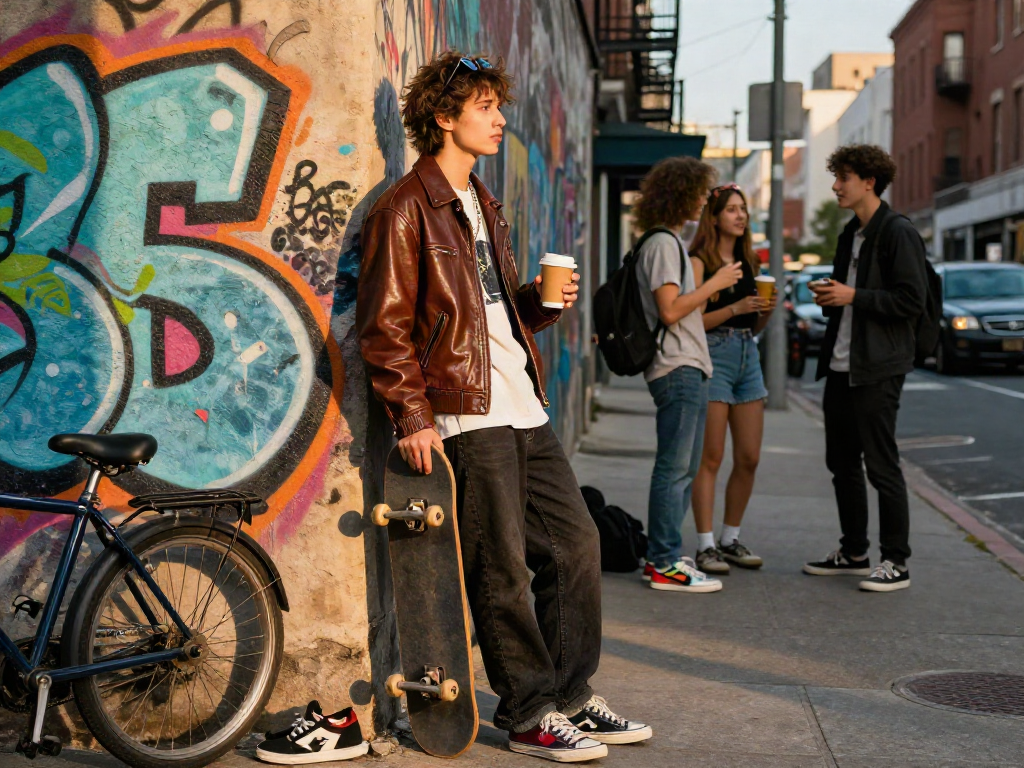
- 90s Nostalgia: Think denim jackets, high-waisted jeans, and graphic tees reminiscent of grunge aesthetics and pop culture.
- Historic Replicas: Many modern designers are drawing inspiration from vintage patterns and cuts, creating collections that echo the past while appealing to today's consumers.
- Sustainable Practices: Increasing awareness around sustainability has led to a preference for second-hand shopping, which aligns perfectly with the ethos of vintage fashion.
How to Identify Authentic Vintage Pieces
When on the hunt for vintage fashion, distinguishing authentic pieces from reproductions is crucial. Look for tags with brand history, distinctive sewing techniques, and quality fabric. Authentic vintage items often show signs of wear and include unique details (like buttons or patterns) that differentiate them from modern replicas. Familiarizing yourself with renowned vintage brands and their styles can also aid in recognizing authentic pieces. Resources like fashion history books can serve as excellent guides.
The Thrift Shopping Experience
Essential Tips for a Successful Thrift Hunt
Thrifting can be an adventure filled with treasures waiting to be discovered. To maximize your experience, follow these essential tips:
- Go Early: Arriving early allows you to sift through fresh arrivals before they are picked over.
- Know Your Measurements: Be familiar with your size since vintage sizing can differ significantly from modern standards.
- Be Open-Minded: Sometimes, the best finds are not what you initially sought. Allow your style to evolve by considering new silhouettes and patterns.
- Dress Accordingly: Wear comfortable clothing that allows for easy try-ons. Layers are advisable, as they can help you assess how different pieces work with your existing wardrobe.
Understanding Pricing and Quality Assessments
Understanding how to evaluate pricing and quality can make your thrift store experiences more rewarding. Quality vintage items are often a bit pricier, reflective of their rarity and condition. Look for pieces made from high-quality fabrics like silk, wool, or cotton, and inspect them for damages or repairs. Familiarize yourself with typical price ranges for various types of vintage clothing to ensure you are paying a fair price.
Building Your Vintage Wardrobe Strategically
Creating a cohesive vintage wardrobe involves a strategic approach. Start by incorporating timeless pieces—like a classic trench coat or a little black dress—these can serve as staples. Additionally, pay attention to colors and mixes that complement each other, ensuring versatility across your wardrobe. Aim for statement pieces that reflect your personality while ensuring you have basics to pair them with seamlessly.
Repurposing and Upcycling Vintage Finds
Creative DIY Projects to Refresh Vintage Clothes
Thrifting often leads to finding garments that require a little love to come back to life. Consider these creative DIY projects to refresh your vintage finds:
- Patchwork Denim: Transform an old pair of jeans by sewing on patches or embellishments for a chic, personalized look.
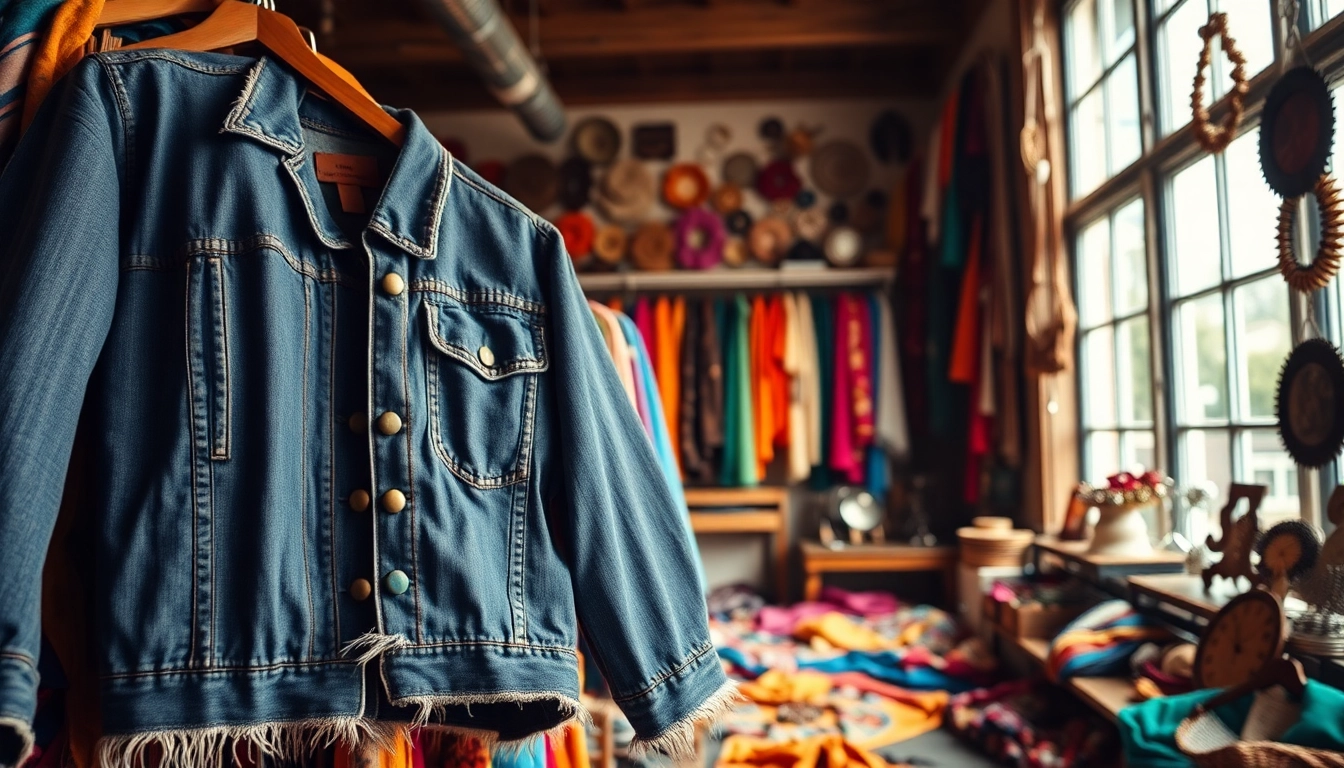
- Fringing: Add fringes to jackets or skirts for a playful reminder of bohemian styles.
- Crop Tops: Upcycle oversized shirts or dresses into trendy crop tops for a modern twist.
Benefits of Upcycling Clothing for Sustainability
Upcycling plays an integral role in sustainability, reducing textile waste while allowing individuals to express their creativity. By reimagining old clothing, you minimize environmental impacts and promote a circular economy within the fashion space. Engaging in upcycling also encourages a more mindful approach to fashion, focusing on quality over quantity.
Showcasing Your Unique Style Through Customization
Customization is a fantastic way to showcase your individuality. By altering or adding to vintage clothing, you create personalized items that represent your unique style. Whether it's embellishing a vintage jacket with hand-painted designs or tailoring a dress for a perfect fit, the possibilities are endless. Explore local workshops or online tutorials that can help you unleash your creativity. Customization not only enhances your wardrobe but can also become a conversation starter about your fashion journey.
Online Thrifting: Expanding Your Search Beyond Local Stores
Navigating Online Thrift Shops like https://thrift-vintage.com
The digital age has transformed thrift shopping, offering diverse platforms to discover unique vintage pieces. Online thrift shops, such as https://thrift-vintage.com, curate picks from around the globe, making it easier to find those hidden gems. When shopping online, ensure to confirm the sizing charts, review return policies, and look for detailed images showcasing fabric quality and condition. Online communities and forums can also provide valuable insights into reputable shops.
Finding Hidden Gems on Social Media Platforms
Social media has become an unlikely ally for vintage fashion enthusiasts. Platforms like Instagram and Pinterest serve as endless sources of inspiration, with many thrift stores creating profiles that highlight their latest stocks. Use hashtags like #thriftedfashion or #vintagefinds to discover new shops or fellow collectors sharing their latest hauls. Building relationships within these digital communities can also lead to discovering exclusive pieces or sales.
Shipping and Return Policies You Should Know
Before diving into online thrifting, familiarize yourself with shipping and return policies. Knowing who foots the shipping bill for returns, the timeline for refunds, and any restocking fees can save you from unpleasant surprises. Additionally, understanding how items are packaged and shipped can help you assess the likelihood of receiving your purchased items in excellent condition.
The Future of Thrifting and Vintage Fashion
How Thrift Culture is Influencing Modern Fashion
The increased popularity of thrifting has profoundly influenced modern fashion trends. Designers often look to vintage styles for inspiration, and consumers increasingly prefer sustainable options over fast fashion. This shift signals a new appreciation for craftsmanship and history, signaling a cultural pivot toward valuing originality over mass production.
Supporting Local Businesses Through Thrift
Engaging in thrifting often means supporting local artisans and small businesses. By shopping second-hand, you contribute to the narrative of local economies while reducing your carbon footprint. It also provides an opportunity to discover unique local styles that may not be available in larger retail environments.
Staying Ahead: Trends in Sustainable Fashion Choices
The future is leaning towards sustainable fashion choices, with more consumers becoming aware of the environmental and ethical repercussions of their shopping habits. Thrifting naturally aligns with this emerging consciousness, promoting a cycle of reusing and recycling clothing. Understanding these trends will empower you to make informed decisions that positively impact both your personal style and the planet.