
Understanding the Power and Benefits of Yoga Mudras
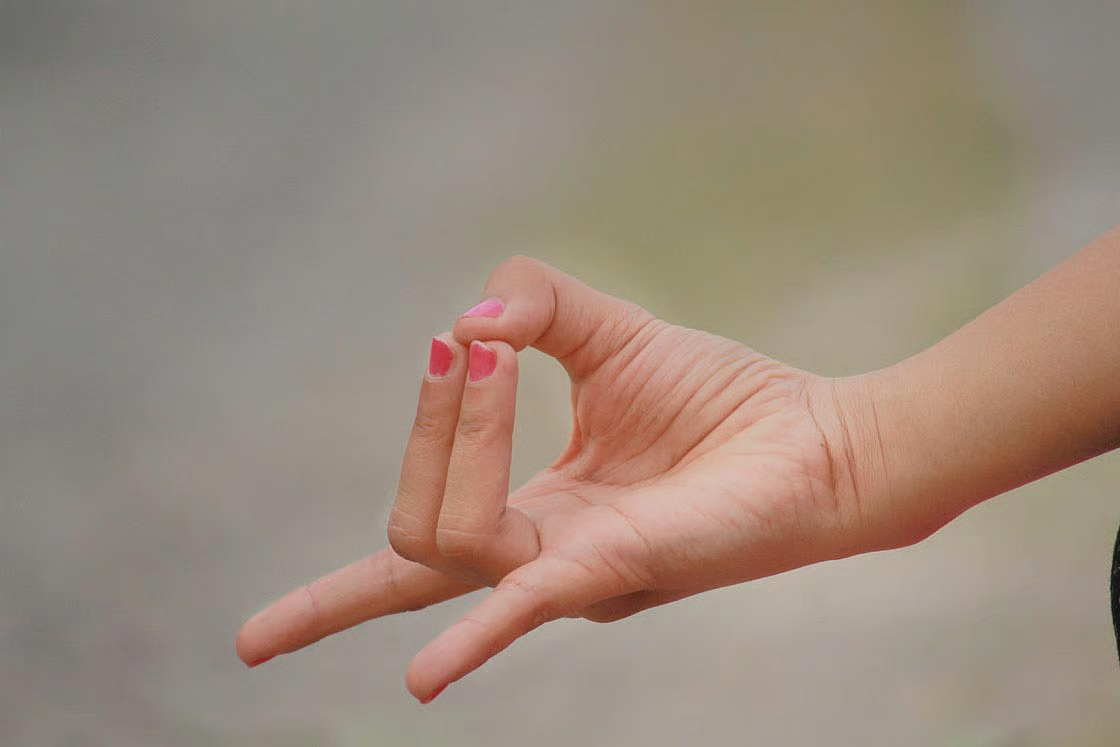
What are Yoga Mudras?
Definition and Origins of Yoga Mudras
Yoga Mudras are symbolic hand gestures used in yoga and meditation practices, believed to enhance the flow of energy in the body. Their roots trace back thousands of years, embedded in traditional Indian culture, philosophy, and spirituality. The term “mudra” comes from the Sanskrit word meaning “seal” or “gesture.” These gestures are thought to channel life force energy, or prana, influencing one’s mental and physical well-being. Understanding Yoga Mudras can empower practitioners to harness these benefits effectively.
Types of Yoga Mudras
Yoga Mudras can be broadly categorized into several types, including:
- Hasta Mudras: Hand gestures that direct energy flow to specific areas of the body.
- Hasta Yoga: Involves more complex hand formations often used in conjunction with postures.
- Mudras for specific purposes: Each mudra has unique benefits, such as enhancing concentration, alleviating stress, or grounding energy.
Some common mudras include Gyan Mudra, which symbolizes knowledge, and Anjali Mudra, representing greetings and gratitude. These gestures can be incorporated easily into daily routines or meditative practices.
Benefits of Incorporating Yoga Mudras
The practice of Yoga Mudras offers a multitude of benefits:
- Emotional Balance: Mudras can stimulate emotional healing by addressing imbalances and fostering a state of calm.
- Physical Health: Certain mudras are known to aid in physical ailments, improve circulation, promote a healthy immune response, and manage chronic conditions.
- Mental Clarity: Regular practice of Yoga Mudras can enhance focus, boost memory, and sharpen clarity.
- Spiritual Growth: Mudras are often used in meditation to deepen spiritual connections and foster awareness.
The Science Behind Yoga Mudras
How Yoga Mudras Affect Energy Flow
The practice of Yoga Mudras significantly affects the energetic system of the body. Each gesture involves specific placements of fingers and hands that act as pathways for energy flow. For instance, Gyan Mudra channels energy through the thumb and index finger, enhancing concentration and wisdom. Studies suggest that these gestures can influence the body’s electrochemical energy, aiding in emotional regulation and physiological improvement.
The Psychological Impact of Yoga Mudras
Mudras can trigger psychological changes by signaling the brain to alter its state. Engaging in specific gestures may release endorphins, stimulate the vagus nerve, and promote relaxation. The psychological benefits extend beyond the physical—practitioners often report a sense of empowerment and control, which is essential in navigating daily life challenges.
Research and Studies Supporting Yoga Mudras
Research into Yoga Mudras is still emerging, but preliminary studies reveal promising results. One study indicated that practicing specific mudras can lower stress hormone levels, while another emphasized increased concentration levels in students using Gyan Mudra during studies. As the scientific understanding of Yoga Mudras deepens, more practitioners are encouraged to incorporate these gestures into their routines.
How to Practice Yoga Mudras
Basic Techniques for Beginners
Practicing Yoga Mudras does not require extensive training. Here are some basic techniques:
- Choose a Comfortable Setting: Find a quiet space where you can sit comfortably.
- Select Your Mudra: Start with simple gestures such as Gyan Mudra or Anjali Mudra.
- Focus on Your Breath: Breathe deeply and slowly while holding the mudra to enhance the experience.
Integrating Yoga Mudras into Meditation
Integrating mudras into your meditation can deepen the practice. Hold a mudra while seated in a comfortable position, like Sukhasana (Easy Pose). Visualize energy flowing through your hands and into your heart, enhancing the meditative experience. This combination can facilitate a stronger connection with both the body and mind, inducing a state of tranquility.
Guidelines for Daily Practice
To fully experience the benefits of Yoga Mudras, consider these guidelines:
- Consistency: Aim for daily practice, gradually increasing the duration as comfort grows.
- Awareness: Stay mindful of physical sensations and emotional responses while practicing mudras.
- Experiment: Explore various mudras to discover which resonate with you personally.
Common Yoga Mudras and Their Uses
Gyan Mudra: The Gesture of Knowledge
Gyan Mudra is one of the most recognized Yoga Mudras. It involves touching the tip of the thumb to the tip of the index finger while keeping other fingers extended. This gesture symbolizes the union of individual consciousness with universal consciousness, enhancing mental clarity and knowledge. It is particularly beneficial during study or work requiring concentration.
Anjali Mudra: The Gesture of Gratitude
Also known as Namaste Mudra, Anjali Mudra involves bringing palms together at heart center. This mudra invites a sense of balance and gratitude. It fosters self-respect as well as respect for others, making it ideal for mindfulness practices and intentions setting.
Prithvi Mudra: The Gesture for Grounding
Prithvi Mudra connects you to the Earth. By touching the tip of the thumb and the ring finger, it stabilizes energy and promotes physical strength. Practicing this mudra helps alleviate feelings of anxiety and tends to bring a sense of groundedness.
Frequently Asked Questions about Yoga Mudras
1. How do Yoga Mudras work?
Yoga Mudras work by channeling energy through specific finger placements, influencing emotions and physiological processes in the body.
2. Are Yoga Mudras suitable for everyone?
Yes, Yoga Mudras can be practiced by anyone, although individuals with certain health conditions should consult a healthcare provider before starting any new practice.
3. Can Yoga Mudras enhance meditation?
Yes, Yoga Mudras can enhance meditation practices by deepening focus and fostering a sense of calmness and clarity.
4. How long should I hold a mudra?
Typically, holding a mudra for 5 to 30 minutes during meditation is effective. Start with shorter durations and gradually increase as comfort allows.
5. Are there any risks associated with Yoga Mudras?
While generally safe, excessive practice or forced positions may lead to discomfort. Listening to your body and consulting a professional is advisable.