Understanding Window Tinting
What Is Window Tinting?
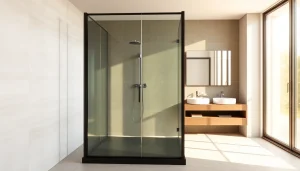
Window tinting is the process of applying a thin film or coating to the glass surfaces of vehicles or buildings to reduce light transmission. This film can vary in thickness and materials, and it typically comes with different shades and colors that can significantly alter how a space feels visually and physically. The installation involves placing the film over the glass, providing a barrier between the interior and the external environment.
Benefits of Window Tint
Window tinting offers numerous advantages, making it a popular choice for both vehicles and homes. Here are some key benefits:
- UV Protection: Tinted windows block up to 99% of harmful UV rays, which can cause skin damage and fade upholstery.
- Heat Reduction: By rejecting solar heat, window tinting helps maintain a comfortable temperature, reducing the need for air conditioning.
- Glare Reduction: Tinted windows diminish glare from sunlight, which enhances visibility and comfort while driving.
- Privacy: Various tint levels offer different degrees of privacy, helping protect personal space from prying eyes.
- Aesthetic Appeal: Window tint can enhance the look of a vehicle or building, giving it a sleek, polished appearance.
Different Types of Window Tints
Understanding the different types of window tints available can help you choose the right one for your needs. Here’s a closer look at popular options:
- Dyed Window Tint: This is one of the most cost-effective options, which relies on a layer of dye to absorb heat and reduce glare. However, it may not offer as much UV protection as other types.
- Metalized Window Tint: Incorporating tiny metallic particles, this tint reflects heat and UV rays effectively, providing greater durability and preventing fading.
- Ceramic Window Tint: Known for its excellent performance, ceramic window films block heat and UV rays without interfering with electronic signals, making it a great choice for vehicles.
- Hybrid Window Tint: Combining dyed and metalized films, hybrid tints offer the best of both worlds—an effective barrier against heat and glare and an aesthetic touch.
How to Choose Window Tint Near Me
Factors to Consider
Choosing the right window tint involves several considerations. Here are some critical factors:
- Local Climate: If you live in a sunny area, a tint that provides high heat rejection may be beneficial.
- Legal Restrictions: Check local laws regarding window tint darkness. Compliance is essential to avoid fines.
- Durability: Consider the longevity of the tint material. Investing in a high-quality film can save money in the long run.
- Warranty: A solid warranty indicates the manufacturer’s confidence in their product’s quality and durability.
Researching Local Options
Finding the best window tint near me entails comprehensive research. Start by using online resources such as local business directories, online reviews, and social media platforms. Customer reviews can provide insights into the quality of service and products offered. Additionally, ask friends or family for recommendations to narrow down your options.
Comparing Prices and Services
Once you identify a few potential places, it’s time to compare prices and services. Request quotes from multiple providers to understand market rates. Don’t just focus on the cost; consider what’s included in the price. Some services may offer better warranties, professional installation, or additional features, which can justify a higher price.
Installation Process for Window Tint
Preparing Your Vehicle
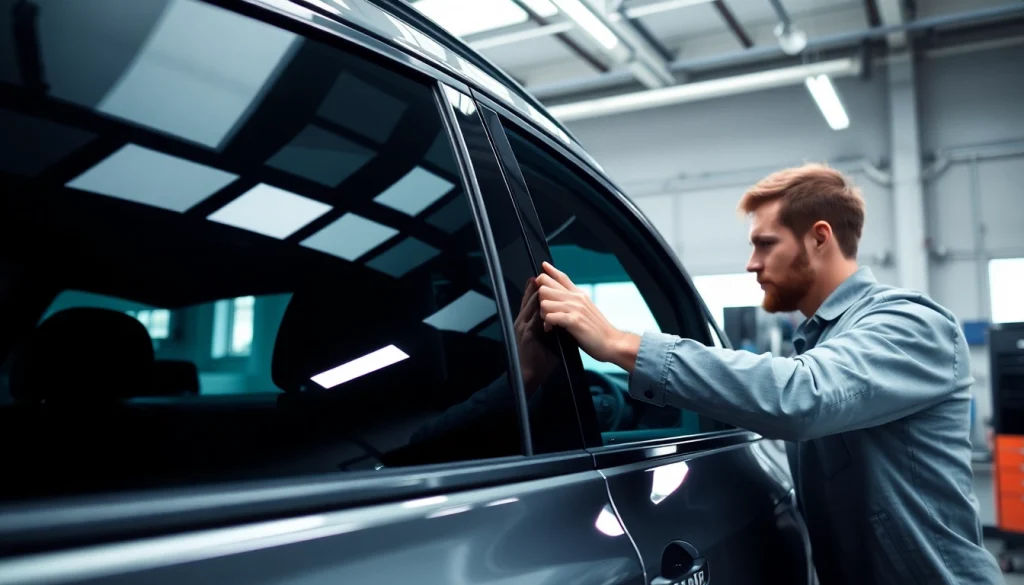
Correctly preparing your vehicle is key for a successful window tint installation. Make sure to clean your windows thoroughly to remove any dirt or grime. This ensures proper adhesion of the film. It’s also wise to remove any accessories that may obstruct the installation process, such as window visors or other decorations.
Expert vs. DIY Installation
While DIY installation can be tempting due to potential cost savings, professional installation often yields better results. Trained technicians have the expertise to apply window tint efficiently, avoid common pitfalls, and ensure that the tint adheres correctly without air bubbles. However, if you choose to do it yourself, follow instructions carefully and consider enlisting a friend for assistance.
Aftercare for Your Tinted Windows
After installing window tint, proper care is essential to maximize its lifespan. Avoid using abrasive cleaners and tools. Instead, use a soft microfiber cloth and gentle cleaning solutions. Wait at least a few days before rolling down the windows to allow adequate time for the adhesive to cure fully.
Common Questions About Window Tint
What is the lifespan of window tint?
The lifespan of window tint can vary based on several factors including the quality of the film, the environmental conditions it was subjected to, and how well it has been maintained. Generally, high-quality window tints can last anywhere from 5 to 15 years.
How do different tints affect visibility?
Different window tints affect visibility in various ways. Darker tints provide more privacy but may reduce visibility during night driving. Lighter tints enhance visibility while still offering some UV and heat protection. It’s crucial to choose a tint that meets your comfort and safety needs.
Are there legal restrictions on window tinting?
Yes, many states have laws regulating window tint darkness levels for vehicles. It’s essential to check local regulations to ensure compliance with legal requirements. Violation may result in fines or the need to remove the tint.
Maintaining Your Window Tint
Cleaning Techniques for Tinted Windows
Cleaning tinted windows requires specific techniques to prevent damage. Use a soft cloth or a sponge, and avoid harsh chemicals that may strip the tint. Instead, opt for glass cleaners that are ammonia-free and specifically designed for tinted films.
Signs Your Tint Needs Replacement
There are several signs that may indicate your window tint needs replacing, including bubbling, fading, or cracking. If you notice any discoloration or peeling, it would be wise to consult a professional for assessment and potential replacement.
Enhancing Durability with Proper Care
Enhancing the durability of your window tint can often be achieved with simple practices. Regular cleaning with gentle methods, avoiding scraping the film with hard objects, and keeping the windows rolled up for a few days post-installation can prolong the life of your tint significantly.
Conclusion
Choosing and maintaining the right window tint can dramatically improve your comfort, privacy, and the aesthetic appeal of your space or vehicle. Whether you are looking for effective protection against harmful UV rays or simply want to enhance your vehicle’s appearance, understanding the ins and outs of window tints and employing best practices can yield satisfactory results. Make sure to explore local options thoroughly and invest in a professional installation for the best outcome.
FAQs About Window Tint
What is the average cost of window tinting?
The average cost for professional window tinting varies significantly based on vehicle type and film quality, typically ranging from $200 to $800.
Can I remove window tint myself?
While it’s possible to remove window tint yourself using heat and adhesive removers, it’s often more effective and safer to hire a professional.
Will window tinting void my car warranty?
Generally, window tinting does not void a car warranty. However, it’s best to check with the manufacturer to confirm.
Can window tint be repaired?
Minor issues such as bubbles can often be repaired, but significant damage usually requires complete removal and replacement of the tint.
Is there a way to tell if window tint is installed correctly?
Quality installation shows no bubbles, imperfections, or misalignment. If you notice any issues, consult the installer for examination and potential correction.