
A Guide to Choosing the Right Glock Slide for Enhanced Performance
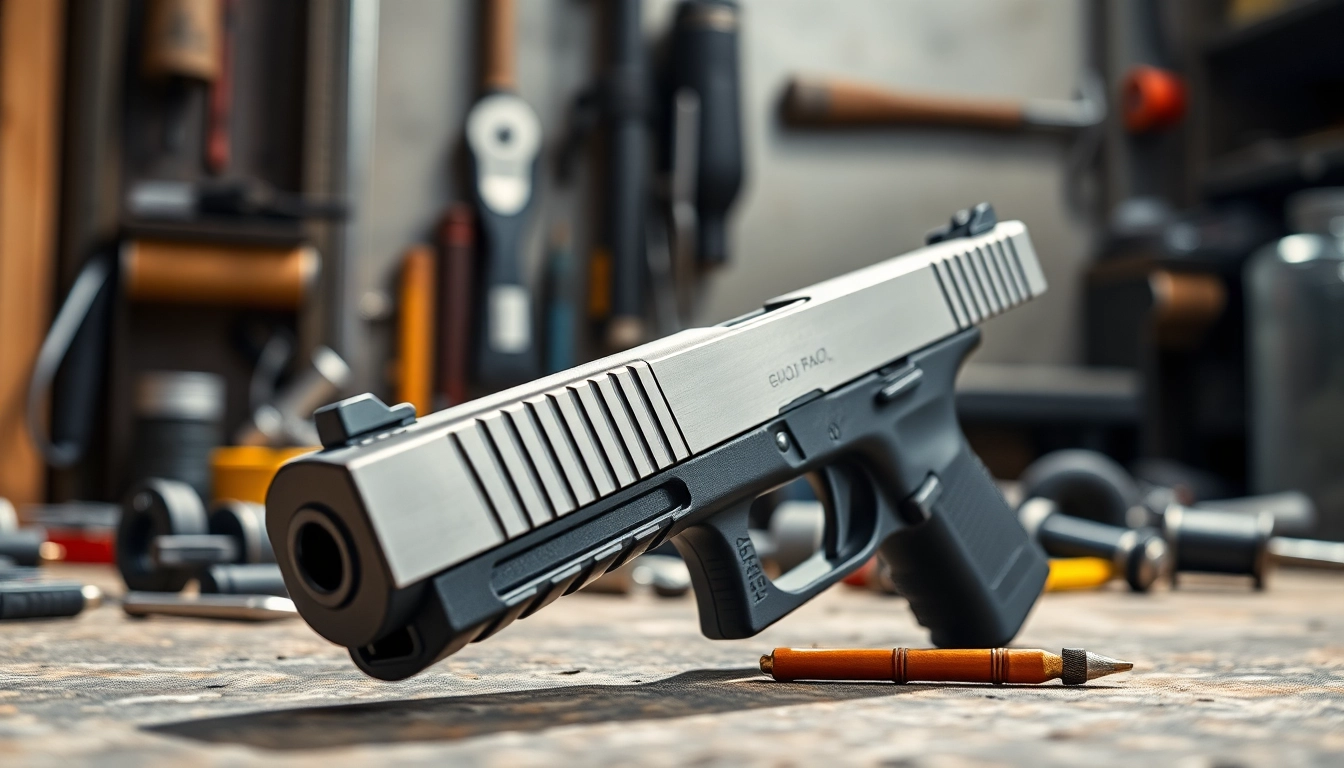
Understanding the Glock Slide: An Introduction
The glock slide is one of the most crucial components of a Glock pistol, impacting its functionality, accuracy, and aesthetics. This guide dives deep into the significance of Glock slides, exploring their roles, types, upgrade options, maintenance needs, and much more. Whether you’re a seasoned enthusiast or a novice, understanding the intricacies of Glock slides will elevate your handgun experience.
What is a Glock Slide?
The Glock slide is the upper portion of the handgun that houses critical mechanisms for operation, including the barrel, recoil spring, and sights. It plays a pivotal role in the overall functioning of the firearm, controlling everything from cycling rounds to ejection and overall reliability.
Key Functions of a Glock Slide
A Glock slide serves multiple essential functions:
- Feeding Ammunition: The slide cycles back and forth when the trigger is pulled, chambering a new round as it returns forward.
- Exposing the Chamber: The rearward motion of the slide exposes the chamber, ensuring proper loading and ejection of spent cartridges.
- Mounting Sights: The slide is equipped to accommodate various types of sights, allowing for customization based on user preference.
- Stabilizing the Barrel: It holds the barrel in place during firing, contributing to accuracy and stability.
Importance in Glock Performance
The performance of a Glock pistol is largely dependent on the quality and design of the Glock slide. A well-crafted slide minimizes friction, enhances recoil management, and can even improve shot groupings through better stabilization. Moreover, custom slides can add individualized ergonomic and aesthetic enhancements, making each firearm unique to its owner.
Types of Glock Slides: Which One is Best for You?
Deciding on the right Glock slide involves understanding the various types available, including standard options and custom enhancements.
Standard vs. Custom Glock Slide Options
Standard Glock slides are factory-produced and offer reliability and durability typically associated with the manufacturer. In contrast, custom Glock slides allow shooters to tailor their firearm based on personal preferences in terms of weight, finish, and function. When choosing between the two, consider your shooting style, accuracy requirements, and aesthetic preferences.
Materials Used in Glock Slides
Glock slides are commonly made from materials such as:
- Aluminum: Lightweight and corrosion-resistant, often used in custom models.
- Stainless Steel: Offers durability and is resistant to wear, commonly found in OEM slides.
- Carbon Steel: Provides strength but is prone to rust without proper finishes.
Each material presents unique advantages and disadvantages, primarily influenced by intended use, environment, and maintenance capabilities.
Aftermarket Versus OEM Glock Slides
Aftermarket slides provide a significant range of customization options, allowing pistols to be equipped with enhanced features such as optics cuts, adjustable rear sights, and unique aesthetic patterns. On the other hand, OEM Glock slides assure quality and compatibility but may lack the innovative features present in many aftermarket alternatives. Deciding between them depends on personal preference and intended application.
How to Upgrade Your Glock Slide
Upgrading your Glock slide can significantly enhance performance. Here are factors to consider for a successful upgrade.
Factors to Consider When Choosing an Upgrade
Before upgrading, consider compatibility with your current setup, the specific enhancements you desire (e.g., weight reduction, features for optics), and budget constraints. It’s also advisable to evaluate the necessary skills for installation and the potential need for professional assistance.
Installation Tips for Your Glock Slide
When installing a new Glock slide, follow these steps to ensure proper assembly:
- Disassemble your Glock by removing the slide from the frame.
- Remove the recoil spring assembly and barrel from the old slide.
- Install the barrel and recoil spring assembly into the new slide.
- Align the slide with the frame and push it into place.
- Perform a function check to ensure the slide operates correctly.
Always consult the manufacturer’s installation guidelines to avoid damage.
Common Mistakes to Avoid
Newcomers may make mistakes such as not properly aligning components or failing to check for obstructions in the slide’s path. It’s critical to avoid overtightening screws or misdirecting sight adjustments during the installation process.
Maintaining Your Glock Slide for Longevity
Regular maintenance can significantly extend the life of your Glock slide. Here’s how to keep it in top shape:
Cleaning and Care Steps
To clean your Glock slide effectively:
- Disassemble the firearm and separate the slide.
- Use a soft brush and cleaning solvent to remove carbon buildup.
- Rinse with clean water and dry thoroughly.
- Lubricate contact points lightly with a recommended lubricant.
Regular cleaning after shooting sessions will prevent the buildup of corrosive materials.
Signs of Wear and When to Replace
Indicators that your slide may need replacement include noticeable cracks, significant pitting, or deformation. If performance diminishes, such as failure to cycle correctly or feed rounds, a replacement may be necessary even before signs of visible wear become apparent.
Expert Recommendations for Maintenance
Experts suggest maintaining a consistent cleaning schedule based on usage. If your Glock is used frequently or carried in harsh environments, more frequent cleaning and inspection are required. Consider performing a complete strip-down every few hundred rounds to maximize performance longevity.
FAQs About Glock Slides
What are the benefits of upgrading my Glock slide?
Upgrading your Glock slide can improve accuracy, reduce weight, add optic compatibility, and enhance aesthetics. Customized features provide a personalized touch.
How often should I clean my Glock slide?
Cleaning should occur after every range session. If you frequently carry, implement a bi-weekly inspection and cleaning routine to prevent buildup.
Can I install a new Glock slide myself?
Yes, installation can typically be done by the shooter if they follow instructions closely. However, for best results, consult a gunsmith, especially for custom parts.
Are aftermarket Glock slides worth it?
Aftermarket slides often offer features not available in OEM options. If tailored customization or unique functions are important to you, they can be a good investment.
How do I know when to replace my Glock slide?
Look for cracks, excessive wear, malfunctioning cycling, or changes in shot accuracy as indicators to consider replacement. Regular inspections will help identify issues early.