
Elevate Your Living Space with a Beautiful Cape Cod Home Design
Understanding the Cape Cod Home Design
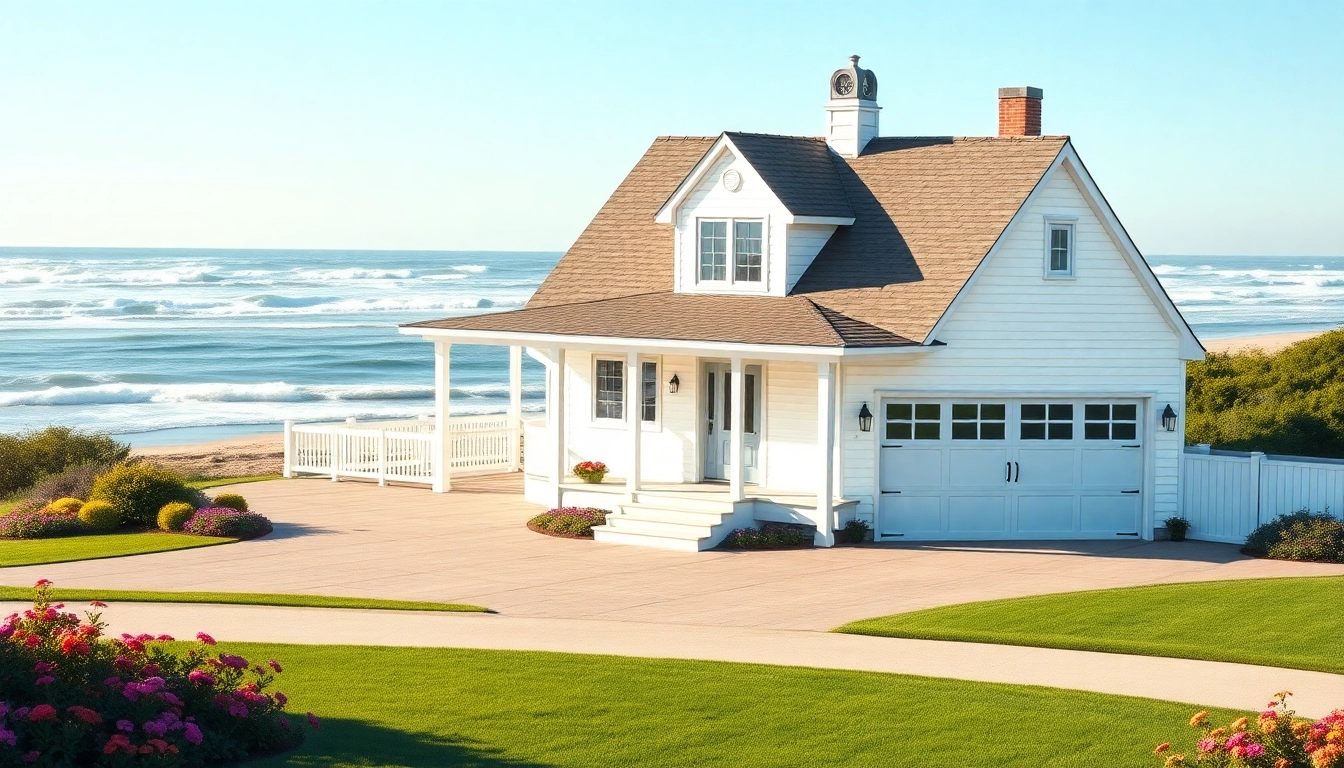
The cape cod home is a distinct architectural style rooted in New England’s history. Its charm stems from both its practical design and its aesthetic appeal, making it a favorite among homeowners. In this article, we will delve into the historical background, key features, and modern adaptations of the Cape Cod style.
Historical Background of Cape Cod Homes
The architectural style of Cape Cod homes originated in the early 17th century when English settlers arrived in North America. Designed to withstand the harsh New England climate, these homes featured steep roofs to shed snow and a rectangular footprint that maximized utility and warmth. Initially, Cape Cod homes were simple, one-story structures, primarily constructed with wood that was readily available. Over the centuries, this style evolved while retaining its signature elements, becoming synonymous with coastal living and nostalgia for simpler times.
Key Features of Cape Cod Architecture
Cape Cod homes are characterized by several distinctive features. Typically, they have a symmetrical facade with a steeply pitched roof, dormer windows, and a chimney centrally located or at one end. The exterior is usually clad in weathered shingles, painted in muted colors that blend harmoniously with the natural surroundings. Inside, you’ll find an open floor plan, a central hallway, and low ceilings to create a cozy atmosphere. The practicality of this design caters to both aesthetics and livability, making it suitable for families and retirees alike.
Modern Adaptations of Cape Cod Home Styles
While the traditional Cape Cod home retains its charm, modern adaptations have emerged to cater to contemporary tastes and energy efficiency. Many homeowners now incorporate larger windows for natural light, open-concept living spaces for fluidity, and eco-friendly materials to enhance sustainability. Innovations such as solar panels and smart home technology are increasingly common, allowing homeowners to enjoy modern conveniences while maintaining the Cape Cod aesthetic. These adaptations not only improve functionality but also contribute to property value, making them appealing for both current residents and future buyers.
Planning Your Cape Cod Home Expansion
When considering an expansion of your Cape Cod home, strategic planning is essential to maintaining the property’s integrity and enhancing its value. An expansion can provide the additional space you need while also respecting the unique architectural features of this style.
Assessing Your Needs for Additional Space
The first step in planning your expansion is assessing your current and future needs. Consider the reasons behind the expansion—are you expecting a growing family, or do you require a home office? Make a list of the additional spaces you desire, such as extra bedrooms, bathrooms, or entertainment areas. This assessment will guide the design and help prioritize your project.
Best Practices for Site Planning and Design
Designing an addition to a Cape Cod home requires careful consideration of its aesthetic and functional aspects. Choose a style and materials that complement your existing home to maintain its cohesive look. Pay attention to local zoning laws, as they may dictate height restrictions, setbacks, and other important factors. Collaborating with an experienced architect or designer can help navigate these requirements effectively.
Budget Considerations for Expanding a Cape Cod Home
Budget planning is crucial for a successful expansion. Factor in costs related to permits, materials, labor, and unexpected expenses. A well-structured budget will help you avoid common pitfalls and ensure your project remains on track financially. It might be wise to prioritize essential elements while leaving some aspects flexible for later consideration to manage budget constraints.
Incorporating a Functional Attached Garage
A garage can significantly enhance the utility of your Cape Cod home. An attached garage offers convenience and can be designed to integrate smoothly with the existing architecture.
Benefits of an Attached Garage in Your Design
An attached garage provides easy access to your home, especially during inclement weather. It also contributes to the overall value of the property and provides additional storage options. Additionally, having a garage can help protect your vehicle from the elements, reducing maintenance costs over time.
Design Ideas for a Harmonious Garage Integration
To ensure that your new garage complements your Cape Cod home, consider using similar materials, colors, and architectural details. Incorporate windows and architectural features that mirror those of your home to create a cohesive look. For example, if your home features shingle siding, consider using the same or a matching material for the garage. Rooflines should also align, maintaining the seamless appearance you’re aiming for.
Materials and Features for an Efficient Garage
Choosing the right materials is vital for the efficiency of your garage. Insulated doors reduce energy costs by maintaining stable temperatures, making the garage comfortable year-round. Consider adding built-in storage solutions like shelves and hooks to maximize space efficiency. Also, integrate natural light through windows or skylights, which can improve visibility while adding a pleasant ambiance to the environment.
Landscaping Ideas for Cape Cod Homes
A well-planned landscape can enhance the charm of your Cape Cod home while also benefiting from its coastal environment.
Creating Curb Appeal with Native Plants
Utilizing native plants in your landscaping design is both eco-friendly and beautiful. These plants are adapted to local climate conditions and typically require less maintenance and water, making them a sustainable choice. Select plants that have vibrant blooms and interesting textures to create visual interest, while also providing habitat for local wildlife.
Outdoor Spaces: Patios and Decks
Building a patio or deck adds enjoyable outdoor living space ideal for relaxing or entertaining. Decks can be crafted from composite materials or treated wood to withstand the coastal environment. Choose furniture that complements the Cape Cod aesthetic, such as whitewashed wood or classic Adirondack chairs, to create an inviting atmosphere.
Maintaining Your Landscape in Coastal Areas
Coastal landscapes can present unique challenges, including salt spray, sandy soils, and shifting weather patterns. Regular maintenance, such as proper pruning and choosing salt-tolerant plants, will help ensure the longevity of your garden. It’s essential to monitor soil health and irrigation to maintain plant vitality and a lush appearance throughout the seasons.
Cape Cod Home: Sustainability and Energy Efficiency
Incorporating sustainable practices into your Cape Cod home design not only benefits the environment but can also lead to significant cost savings in the long run.
Eco-Friendly Materials and Building Practices
Utilizing sustainable materials such as reclaimed wood, bamboo, or recycled steel can significantly reduce the carbon footprint of your construction project. Furthermore, employing energy-efficient building practices like proper insulation and sealing reduces energy consumption, enhancing overall comfort while maintaining aesthetic appeal.
Energy-Efficient Systems for Cape Cod Homes
Integrating energy-efficient systems, such as high-efficiency HVAC units, low-E windows, and smart thermostats, can transform your home into an eco-friendly sanctuary. These systems work together to reduce energy waste and improve the overall efficiency of your Cape Cod home, ultimately lowering utility bills while minimizing environmental impact.
Future-Proofing Your Design for Sustainability
Future-proofing involves planning for long-term sustainability and adaptability. By anticipating changes in your family’s needs and advancements in technology, you can create a home that remains functional, efficient, and attractive for generations to come. Consider modular designs that allow for easy updates or expansions in the future, ensuring your Cape Cod home continues to meet your evolving needs.
FAQs about Cape Cod Homes
What makes Cape Cod homes unique?
Cape Cod homes are characterized by their steep roofs, symmetrical facades, and use of natural materials like shingles, creating a charming and timeless aesthetic.
Can I modernize my Cape Cod home?
Yes! Modern adaptations can include open floor plans, larger windows, and eco-friendly materials while still respecting traditional architectural elements.
How do I choose the right plants for my Cape Cod home’s landscape?
Opt for native plants that thrive in coastal climates as they require less maintenance and are better suited to local conditions.
What should I consider when expanding my Cape Cod home?
Assess your space needs carefully, ensure your design complements existing architecture, and establish a realistic budget before moving forward.
How can I improve energy efficiency in my Cape Cod home?
Implement energy-efficient systems, use eco-friendly materials, and ensure proper insulation to reduce energy consumption and enhance comfort.