
Enhance Your Catering with the Perfect Chafing Dish Options
Understanding the Basics of Chafing Dish
What is a Chafing Dish?
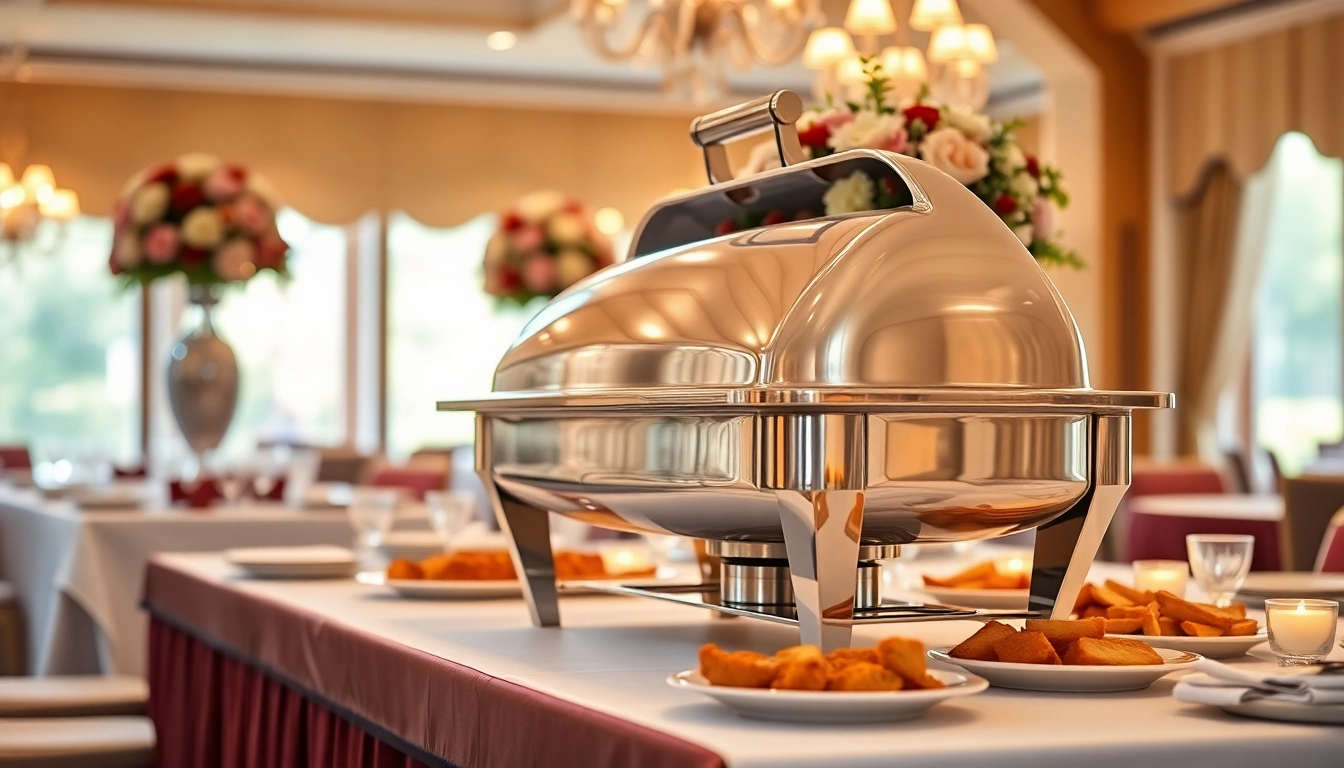
A chafing dish is a sophisticated catering tool designed for holding food and keeping it warm. It typically consists of a shallow food pan placed over a heat source. Commonly used at buffets, weddings, and large gatherings, chafing dishes allow guests to serve themselves while ensuring that food maintains an appealing temperature and texture. Their design is not only practical but also adds an elegant touch to the presentation of food.
Key Features of a Chafing Dish
Chafing dishes have unique features that enhance their usability and presentation:
- Heat Source: Chafing dishes utilize gel fuel or electric heating to maintain warmth. Gel fuel is often preferred for outdoor events, while electric models suit indoor settings.
- Material: They are usually crafted from stainless steel for durability and ease of cleaning. Some styles may include decorative finishes for enhanced aesthetic appeal.
- Size Options: Ranging from small to large, chafing dishes cater to different volumes of food, accommodating various serving needs.
- Cover: Many chafing dishes feature lids to help retain heat and prevent contamination, which is crucial for food safety and quality.
- Serving Utensils: Often, chafing dishes come with accompanying serving tools, which can enhance the serving experience for guests.
Different Types of Chafing Dishes
The variety of chafing dishes available in the market means that caterers can select based on their specific needs:
- Standard Chafing Dishes: Featuring a rectangular shape, these are the most common type used for a variety of dishes.
- Round Chafing Dishes: Ideal for serving soups, stews, or sauces, they provide a unique presentation.
- Stackable Chafing Dishes: Designed for efficient storage and transport, these dishes can be stacked for convenience.
- Specialty Chafing Dishes: Some options include features like warming trays or buffet-style layouts for innovative serving styles.
Choosing the Right Chafing Dish for Your Needs
Factors to Consider When Selecting
When selecting a chafing dish, several factors should influence your decision:
- Event Size: Determine the volume of food needed based on the number of guests to ensure that you choose an appropriately sized chafing dish.
- Food Type: Consider the food options you plan to serve; some dishes are better suited for solid foods, while others excel in holding liquids.
- Presentation: The design of your chafing dish can enhance the event’s aesthetic. Choose styles that align with your theme.
- Portability: If you plan to transport chafing dishes frequently, consider weight and stackability.
- Budget: Prices vary significantly; define your budget and find a dish that fits within it without compromising quality.
How to Match Your Chafing Dish with the Event Theme
Harmonizing your chafing dish with the overall event theme is pivotal in creating a cohesive dining experience. Here are methods to effectively match them:
- Color Coordination: Choose chafing dishes that complement the color scheme of your event.
- Material Choice: For formal events, opt for polished stainless steel, whereas casual gatherings may suit simpler designs.
- Decorative Elements: Some chafing dishes have ornamental features that can enhance the visual appeal and theme alignment.
- Placement Strategy: Positioning chafing dishes to fit the layout of your venue can draw attention and improve accessibility for guests.
Popular Sizes and Capacities
When selecting a chafing dish, it’s essential to be aware of the different sizes available:
- Full-Size: Typically measuring 24” x 12”, these dishes hold larger quantities, serving approximately 40 people.
- Half-Size: Measuring 12” x 10”, these are best for smaller gatherings, accommodating roughly 20 people.
- Quarter-Size: Ideal for tasting menus or smaller servings, these dishes hold around 10-15 servings.
- Custom Sizes: Some manufacturers offer customizable options to suit unique serving needs, which can be especially beneficial for specialized events.
Effective Use of Chafing Dishes in Catering
Setting Up a Chafing Dish for Events
The setup process is vital for maximizing the effectiveness of chafing dishes. Here’s a step-by-step guide:
- Choose the Right Location: Find a flat, stable surface that allows easy access for guests.
- Prepare the Heat Source: Depending on the type, set up gel fuel cans or plug in electric models prior to placing food.
- Water Pan Placement: Fill the bottom pan with water to create a water bath that helps maintain food temperature.
- Food Placement: Carefully place the food pan over the water pan, ensuring it’s securely positioned.
- Utilize Lids: Ensure that lids are securely placed to prevent contamination and retain warmth during service.
Serving Techniques for Optimal Results
To ensure guests enjoy the best experience with chafing dishes, consider these serving techniques:
- Utensil Positioning: Place serving utensils directly within the dishes to streamline the serving process.
- Refill Strategy: Maintain a consistent flow of food by planning timed refills, ensuring that dishes are never empty.
- Temperature Checks: Regularly check food temperatures, particularly when serving at larger events, to ensure compliance with food safety standards.
- Guest Flow Management: Strategically design the layout to manage guest flow, allowing easy access to food without congestion.
Maintaining Food Temperature with Chafing Dishes
Maintaining the right temperature is crucial for food safety and quality. Here are some tips on this important aspect:
- Use a Water Bath: Always use a water pan beneath the food. This method helps evenly distribute heat and keeps food warm without drying it out.
- Monitor Closely: Regularly check the fuel source or power supply to ensure consistent heat.
- Cover When Necessary: Keep dishes covered whenever possible to retain warmth and freshness.
- Replace Fuel Promptly: For gel fuel models, stay vigilant about replacing cans as they deplete to maintain temperature.
Care and Maintenance of Chafing Dishes
Cleaning and Storing Chafing Dishes
Proper care ensures longevity and performance of your chafing dishes. Follow these steps for cleaning and storing:
- Immediate Cleaning: Clean dishes right after use. This prevents buildup of food residue and stains.
- Hand Washing vs. Dishwasher: Most chafing dishes can be hand washed. If dishwasher-safe, check the manufacturer’s instructions first.
- Storage Tips: Store dishes in a dry area. Use cloth covers to protect against dust and scratches.
- Inspect for Damage: Before storage, inspect dishes for dents or scratches; these may need repair before the next event.
Common Repairs and Maintenance Tips
To keep your chafing dishes in optimal condition, here are common maintenance recommendations:
- Tightening Hinges: Regularly check and tighten any loose hinges or knobs to ensure lids operate smoothly.
- Polishing: Regularly polish stainless steel surfaces to maintain appearance and prevent tarnishing.
- Replacing Feet: Feet on chafing dishes can wear down. Inspect and replace them if necessary for stability and safety.
- Repairing Dents: Small dents can often be gently pushed out from behind. For severe damage, consider professional repair options.
Prolonging the Lifespan of Your Chafing Dish
Maximize the lifespan of your chafing dishes with these strategies:
- Avoid Overloading: Always respect manufacturer weight limits when filling dishes to avoid bending or breaking.
- Use Correct Utensils: Avoid metal utensils that could scratch or damage surfaces; opt for plastic or wooden options.
- Store Properly: Ensure that chafing dishes are stored without nesting items that could cause scratches or damage.
- Seasonal Maintenance: Consider an annual inspection for wear and tear, making repairs as needed before busy seasons.
FAQs About Chafing Dishes
1. What is the purpose of a chafing dish?
A chafing dish is designed to keep food hot during events, allowing for self-service while ensuring food safety and appealing presentation.
2. How do I choose the right size?
Choose the size of the chafing dish based on the expected number of guests and types of dishes served, ensuring to match capacity with needs.
3. Can chafing dishes be used outdoors?
Yes, outdoor use is common. Gel fuel chafing dishes are ideal as they function without electricity and can easily be transported.
4. What type of fuel do I need?
If using gel fuel chafing dishes, you need specific gel fuel cans. Electric chafing dishes will require a power outlet, so plan accordingly.
5. How do I clean my chafing dish properly?
Clean your chafing dish after use with soapy water and a soft cloth or sponge. Rinse, dry, and store in a dry environment to prevent rust.