Enhancing Coastal Living with Timber Frame Solutions for Modern Homes
Understanding Timber Frame Solutions
What Are Timber Frame Solutions?
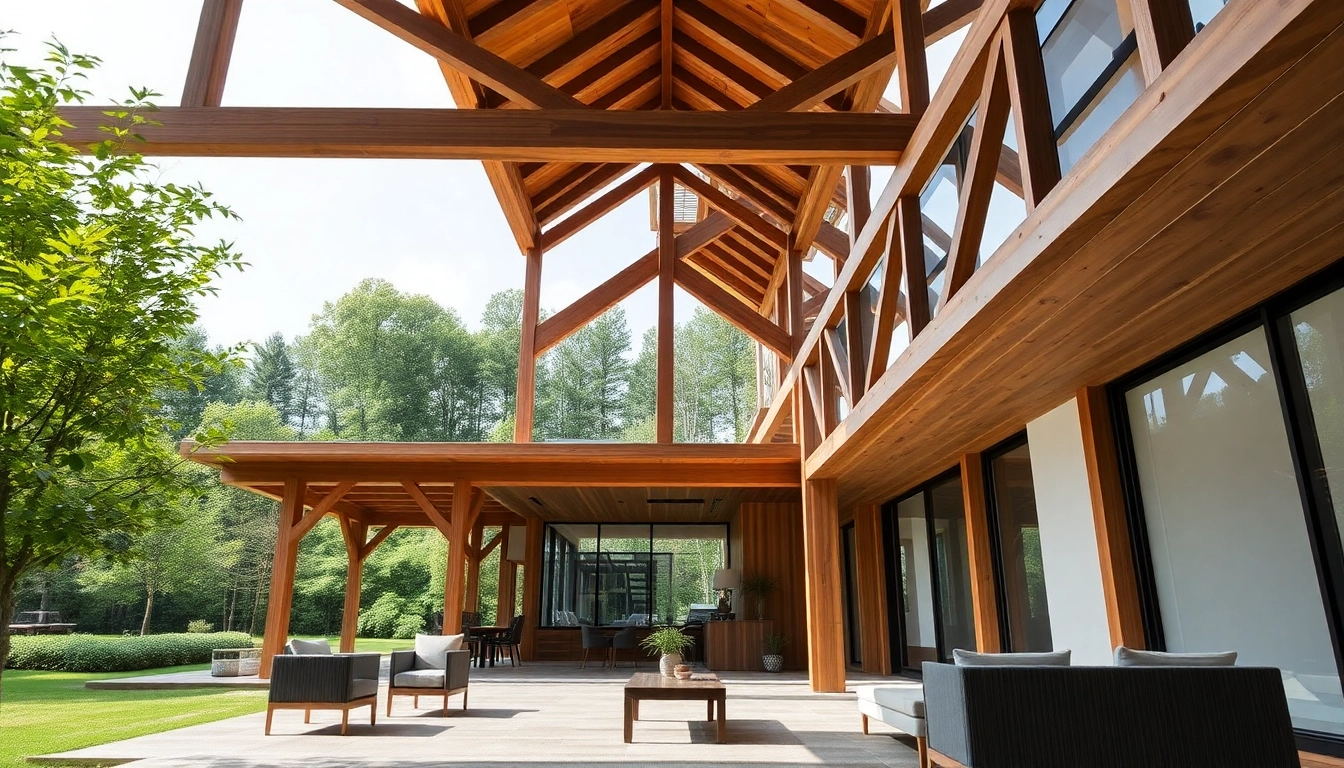
Timber frame solutions refer to a construction method that utilizes heavy wooden beams and columns to create structures. This technique has been trusted for centuries, lending aesthetic appeal while ensuring durability and structural integrity. Unlike traditional brick or concrete methods, timber framing emphasizes the natural beauty of wood, with exposed beams often being a design highlight. By using timber frame solutions, you’re not just choosing a method; you’re opting for a sustainable and versatile approach to building.
Key Benefits of Timber Frame Construction
Opting for timber frame construction delivers myriad advantages. Firstly, it offers lightness compared to other materials, significantly reducing the load on foundations. Moreover, this method is exceptionally quick to construct, translating to reduced labor costs and shorter overall project timelines. Energy efficiency is another key benefit; timber naturally possesses insulating properties, which can enhance the energy ratings of homes constructed using this method. In addition, the environmental impact of timber as a renewable resource is minimal compared to other building materials, making it an eco-conscious choice.
Types of Timber Used in Frame Solutions
The choice of timber is crucial in determining the success of timber frame solutions. Common types include:
- Softwoods: Typically used for framing, these include species like spruce, pine, and fir, offering strength at a lower cost.
- Hardwoods: More expensive and denser than softwoods, hardwoods like oak are used for aesthetic details and provide durability.
- Engineered Wood: Products like laminated veneer lumber (LVL) offer superior strength and dimensional stability for intricate framing.
- Reclaimed Wood: Sustainable and trendy, reclaimed wood adds character and history to structures.
Designing with Timber Frame Solutions
Architectural Styles Suited for Timber Frames
Timber frame solutions can accommodate a variety of architectural styles, enhancing their appeal. Some prominent styles suited for timber frame designs include:
- Modern: A minimalist approach that highlights the natural grain of wood and large open spaces.
- Traditional: Such designs retain a rustic charm with visible timber framing and classic details.
- Industrial: Utilizes raw lumber mixed with metal to create striking visuals, often popular in urban settings.
- Craftsman: Characterized by its low slopes, wide eaves, and extensive use of wood, emphasizing handmade beauty.
Incorporating Energy Efficiency in Designs
Designing with energy efficiency in mind is paramount in constructing timber frame solutions. One popular method is utilizing high-quality insulation materials between timber studs, which can drastically improve thermal efficiency. Windows should also be strategically placed to maximize natural light while minimizing heat loss. Moreover, incorporating renewable energy solutions, such as solar panels, can further enhance the sustainability of timber structures, making them eco-friendly without sacrificing comfort.
Creating Versatile Spaces with Timber Frames
Timber frame solutions can create open, adaptable spaces, allowing for diverse uses. With fewer interior load-bearing walls, homeowners can easily reconfigure living areas as needs change. This flexibility is particularly beneficial in multi-functional spaces like home offices or guest rooms, where the initial functionality may evolve. Additionally, high ceilings and large windows can expand visual space, resulting in a welcoming environment.
Construction Process for Timber Frame Solutions
Steps Involved in Timber Frame Construction
The construction of timber frame solutions typically involves several key steps:
- Planning and Design: Initial blueprints are created, incorporating architectural styles and energy efficiency ideas.
- Site Preparation: The construction area is cleared and prepped, including foundational work.
- Frame Assembly: The timber frame is assembled, often prefabricated for quicker installation.
- Insulation and Cladding: Insulation is added before the external cladding is completed.
- Finishing Touches: Interior elements, mechanical systems, and final inspections take place.
Choosing the Right Contractors and Builders
Selecting the right professionals for timber frame construction is vital. Look for builders with extensive experience in timber framing, as they will offer essential insights into design and structural integrity. Always check reviews, request references, and verify qualifications. Furthermore, engaging architects familiar with timber solutions can help optimize designs and integrate best practices.
Common Challenges and How to Overcome Them
While timber frame solutions offer numerous benefits, certain challenges may arise, including:
- Moisture Management: Wood is susceptible to moisture damage; proper sealing and ventilation systems can mitigate this risk.
- Pest Control: Timber can attract pests; regular inspections and relevant treatments are crucial.
- Climate Considerations: Different climates require tailored design solutions to ensure longevity and comfort.
By proactively addressing these issues, homeowners can enhance the performance and durability of their timber frame structures.
Cost Considerations for Timber Frame Solutions
Budgeting for Timber Frame Projects
Establishing a detailed budget before launching into timber frame construction is vital. This includes evaluating costs of materials, labor, permits, and following up on significant expenditures throughout the project. It is wise to allocate a contingency fund to account for unexpected expenses that may arise.
Comparing Costs with Traditional Construction
When comparing timber frame solutions to traditional building methods, initial costs can be similar; however, the long-term benefits paint a different picture. Timber framing often results in lower operational costs due to energy efficiency and minimal maintenance needs, ultimately yielding savings over time.
Long-term Financial Advantages
Investing in timber frame solutions offers long-term financial benefits. The reduced need for maintenance, coupled with the energy efficiency provided by proper insulation, notably diminishes utility bills. Additionally, homes constructed with timber typically hold their value well, making them an attractive investment choice for future resale.
Maintenance and Longevity of Timber Frame Solutions
Routine Maintenance Tips for Timber Frame Homes
To ensure longevity, regular maintenance of timber frame solutions is paramount. Here are a few tips to uphold quality:
- Inspection: Conduct annual inspections for signs of damage or wear, especially around joints and fasteners.
- Sealing: Regularly check and reapply sealants to protect against moisture and pests.
- Cleaning: Keep surfaces clear of debris and water accumulation to prevent rot and damage.
Signs of Wear and When to Seek Repairs
Homeowners should be vigilant for signs that indicate the need for repairs. Cracks in the timber, structural sagging, or water stains are red flags that should prompt immediate attention. Addressing these issues promptly can prevent more extensive and costly repairs down the line.
Longevity and Sustainability of Timber Frame Structures
Ultimately, timber frame solutions are celebrated for their sustainability and longevity. With proper care and maintenance, these structures can last for decades, creating lasting homes that are as kind to the environment as they are to their inhabitants. Statistics show that well-maintained timber structures can endure over 50 years or more, proving their steadfastness and reliability in residential construction.
Frequently Asked Questions
What is a timber frame solution?
A timber frame solution is a construction method that uses heavy timber framing to create structures, enhancing durability and aesthetics.
Are timber frame homes energy efficient?
Yes, timber frame homes can be designed to be highly energy efficient, utilizing insulation and air sealing techniques effectively.
How long do timber frame structures last?
With proper maintenance, timber frame structures can last over 50 years, offering longevity and durability in construction.
Is timber framing cost effective?
Timber framing can be cost-effective, providing energy savings and lower maintenance costs compared to traditional construction methods.
What maintenance do timber frame solutions require?
Timber frame solutions require regular inspections, sealing, and, occasionally, treatment for pests to ensure their longevity and performance.