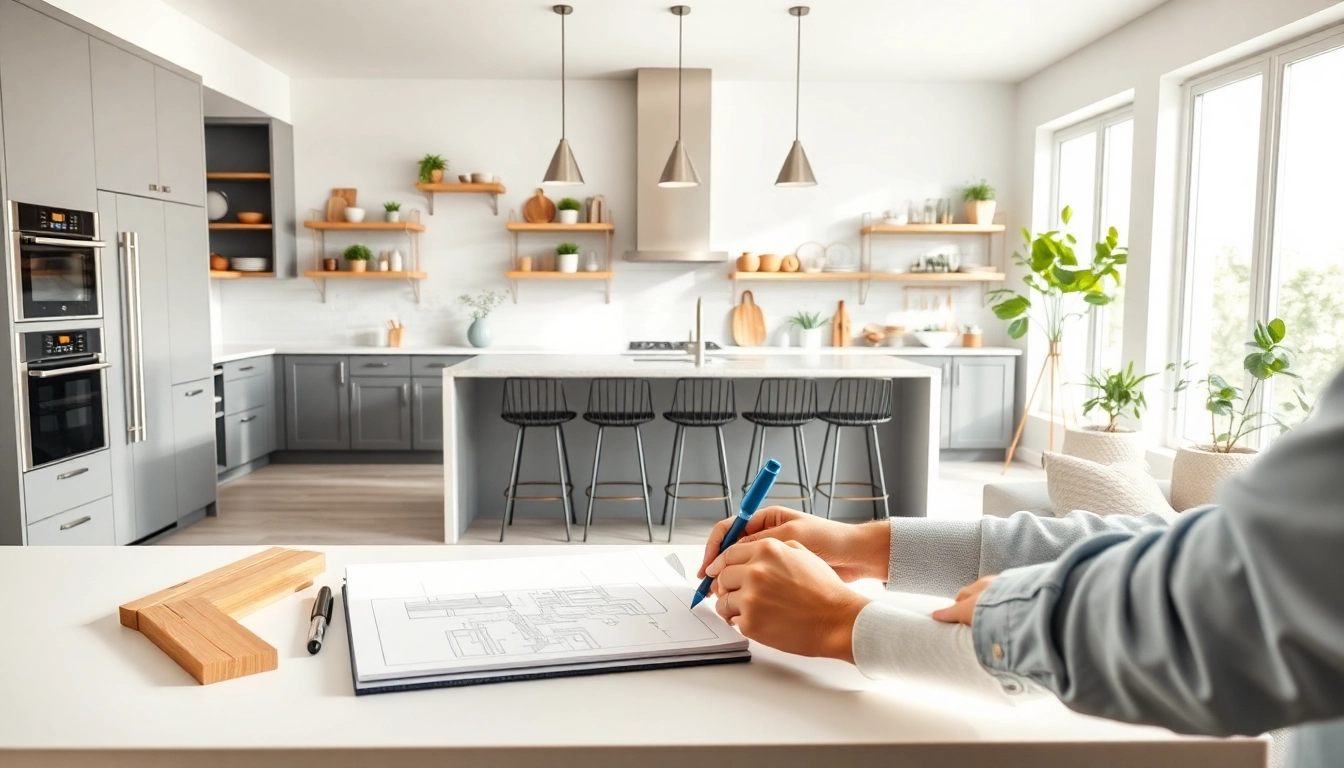
Understanding the Basics of Home Renovation
Home renovation is a specific process of improving or upgrading an existing home structure. The journey begins with identifying areas of your home that require improvement, whether motivated by personal preference, functionality, or a need to enhance the property's value. This guide delves deeply into the intricacies of Home renovation, providing insights that empower homeowners to transform their living spaces effectively.
What is Home Renovation?
Home renovation encompasses a broad spectrum of activities aimed at repairing, updating, or altering a home. It differs from construction in its focus on enhancing existing structures rather than creating new ones from the ground up. Renovation projects can range from minor cosmetic updates, such as repainting walls or replacing fixtures, to extensive overhauls like adding new rooms and updating plumbing and electrical systems.
Common Reasons for Home Renovation
The motivations behind home renovations are diverse, including:
- Increased Functionality: Homeowners often renovate to better accommodate lifestyle changes, such as growing families or new work-from-home setups.
- Improved Aesthetics: Renovation offers an opportunity to modernize or personalize the aesthetic appeal of a home.
- Value Enhancement: Certain renovations can significantly increase property value, ensuring a better return on investment if the home is sold in the future.
- Energy Efficiency: Upgrading to energy-efficient appliances and materials not only reduces utility bills but also supports environmental sustainability.
Different Types of Home Renovation Projects
Home renovation projects can be categorized into several types:
- Cosmetic Updates: These include painting, new flooring, and updating fixtures.
- Structural Changes: This involves modifying or adding walls, altering room layouts, or enhancing the foundation.
- Systems Updates: Upgrading electrical, plumbing, or HVAC systems for improved efficiency and compliance with modern standards.
- Landscape and Exterior Renovations: Enhancing curb appeal through landscaping, exterior painting, or roof replacement.
Planning Your Home Renovation
Effective planning is crucial to a successful renovation. It involves defining your goals, setting a budget, and developing a timeline that suits your needs and resources.
Budgeting and Financing Options
Establishing a budget should be the first step in any renovation project. This will require detailed estimates of costs associated with materials, labor, permits, and contingencies. Here are some common financing options:
- Personal Savings: Using savings can eliminate debt from loans.
- Home Equity Loan: Utilizing home equity effectively can provide substantial funds at lower interest rates.
- Renovation Loans: Specialized loans are available for specific renovation projects, providing targeted financial assistance.
Creating a Project Timeline
Developing a project timeline involves outlining all phases of the renovation, from design consultations to completion. It’s important to be realistic about how long each phase will take and to include buffer time for unexpected delays.
Hiring Professionals vs. DIY
Deciding whether to hire professionals or tackle renovations as a DIY project depends on the project’s complexity, your skills, and the time you can commit. Hiring professionals can ensure that work is done correctly and up to code, while DIY can save costs but may lead to challenges if you lack experience.
Choosing the Right Design Elements for Your Home Renovation
Once planning is underway, selecting the right design elements is crucial to ensuring your renovation reflects your personal style and meets your functional needs.
Kitchen and Bathroom Renovations
These two areas typically offer the best return on investment. Key considerations include:
- Layout Optimization: Efficient layouts enhance usability and flow.
- Modern Fixtures: Upgrading to modern, efficient appliances can elevate performance and aesthetics.
- Quality Materials: Prioritizing high-quality surfaces, cabinets, and countertops will yield durability and style.
Living Space Upgrades
Upgrades in living spaces can include creating open floor plans or adding built-in storage solutions. Considerations should include:
- Lighting: Incorporating natural light through skylights or larger windows can enhance the livability of a space.
- Color Schemes: Choosing colors that provide warmth or vibrancy can set a desirable mood in each room.
- Furniture Layout: Thoughtfully arranging furniture promotes better space utilization and flow.
Outdoor Enhancements
The exterior of a home is just as important as the interior. Enhancements may include:
- Landscaping: Improve aesthetics and functionality with thoughtful planting and garden design.
- Decks and Patios: Outdoor living spaces expand usable area and can offer relaxation or entertainment zones.
- Exterior Facades: Updating siding or roofing enhances curb appeal and protection from the elements.
Executing Your Home Renovation
With a comprehensive plan in place, the next step is executing the renovation efficiently and effectively.
Working with Contractors and Vendors
If hiring professionals, choosing the right contractors is critical. Conduct interviews, check references, and look for documented experience in similar projects. Ensure that they are licensed and insured to protect yourself from liability.
Permits and Regulations to Consider
Many renovation projects require permits that comply with local building codes. Clarifying what is necessary early in the planning process can save time and money later. This also ensures the renovation meets safety standards and legal requirements.
Managing the Construction Process
Daily involvement during the construction process can help ensure the project stays on track. Regular communication with contractors about timelines, budget adherence, and any emerging issues can mitigate potential problems. It’s also important to remain flexible as unexpected challenges often arise during renovations.
Post-Renovation: Evaluating Home Renovation Success
Once the renovation process is complete, assess the outcome to ensure it meets your initial goals and expectations.
Assessing Value Addition to Your Property
Evaluating how the renovations have impacted your home’s market value can be enlightening. An appraisal from a professional can provide insight into whether the changes have added significant value to the property.
Gathering Feedback from Household Members
Involving all household members in post-renovation discussions helps understand if the project met practical needs and desires. Feedback can inform future projects and adjustments.
Maintenance Tips for Newly Renovated Spaces
Once renovations are complete, ongoing maintenance is essential to preserving the quality and aesthetics of the new updates. Regular cleaning, upkeep, and timely repairs of any issues can ensure living spaces remain welcoming and functional over time.