
Spray Foam Removal Guidance to Help Pass Mortgage Surveys
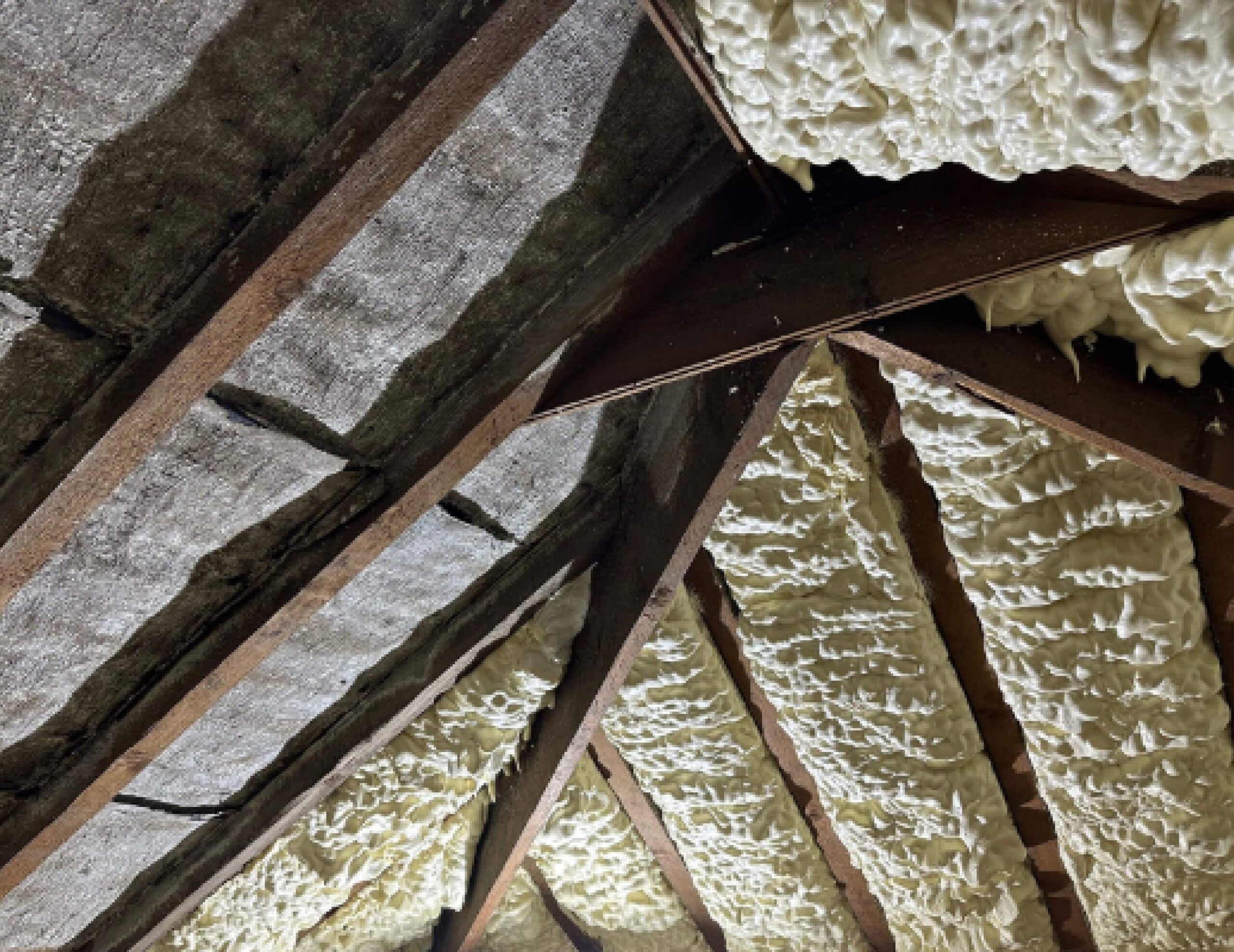
When it comes to selling or refinancing a property in the UK, insulation can unexpectedly become a major hurdle. Many homeowners are now discovering that spray foam insulation, once considered an energy-efficient upgrade, can actually prevent mortgage approval. This is where Spray Foam Removal Guidance becomes essential. Understanding how to properly remove spray foam and meet lender requirements can make the difference between a successful property transaction and a rejected mortgage application.
- Understanding Why Spray Foam Causes Mortgage Issues
- Types of Spray Foam Insulation
- Why Removal Is Often Required
- Signs You Need Spray Foam Removal
- The Spray Foam Removal Process
- Costs Involved in Spray Foam Removal
- Choosing the Right Removal Specialist
- How Removal Helps Pass Mortgage Surveys
- Preventing Future Issues
- Final Thoughts on Spray Foam Removal Guidance
Understanding Why Spray Foam Causes Mortgage Issues
Spray foam insulation has gained popularity due to its thermal efficiency and ability to seal gaps. However, mortgage lenders have grown increasingly cautious. The primary concern is that spray foam can trap moisture, leading to timber rot in roof structures. Additionally, it can make roof inspections difficult, preventing surveyors from assessing the condition of rafters and joists.
Because of these risks, many lenders now require removal before approving a mortgage. This has created a growing demand for Spray Foam Removal Guidance, especially among homeowners preparing their property for sale or refinancing.
Types of Spray Foam Insulation
Before diving into removal, it is important to understand the two main types of spray foam insulation:
Open Cell Spray Foam
This type is softer and more flexible. It allows some moisture to pass through, which can reduce the risk of trapped condensation. However, it still poses issues for surveyors and lenders.
Closed Cell Spray Foam
Closed cell foam is denser and more rigid. It provides a stronger moisture barrier but can significantly increase the risk of hidden structural damage. This type is often more difficult to remove and typically requires more detailed Spray Foam Removal Guidance.
Why Removal Is Often Required
Mortgage lenders are primarily concerned with risk. Spray foam insulation introduces uncertainty regarding the condition of the roof structure. Even if no damage is present, the inability to inspect underlying materials can lead to a failed survey.
Following proper Spray Foam Removal Guidance ensures that all insulation is safely removed, allowing a full structural inspection. This reassures lenders and improves the chances of mortgage approval.
Signs You Need Spray Foam Removal
Not all properties with spray foam insulation require removal immediately. However, there are key situations where Spray Foam Removal Guidance becomes necessary:
When selling your property and buyers require a mortgage
If a surveyor flags insulation as a concern
When refinancing with a new lender
If there are signs of damp, mould, or timber damage
Recognizing these signs early can save time and prevent delays in the property transaction process.
The Spray Foam Removal Process
Understanding the removal process is a crucial part of effective Spray Foam Removal Guidance. The process typically involves several steps:
Inspection and Assessment
A professional contractor will first assess the type and extent of spray foam insulation. This helps determine the best removal method and identify any underlying issues.
Safe Removal Techniques
Removing spray foam is a delicate process. It often involves manually scraping or cutting the foam away from roof timbers. In some cases, specialized tools or chemicals may be used. Proper Spray Foam Removal Guidance emphasizes avoiding damage to the roof structure during this stage.
Cleaning and Restoration
Once the foam is removed, the area must be thoroughly cleaned. Any debris or residue is cleared to allow a full inspection. Damaged timbers, if found, may need repair or replacement.
Final Inspection
After removal, a surveyor can inspect the roof structure without obstruction. This is a key step in meeting lender requirements and completing the Spray Foam Removal Guidance process.
Costs Involved in Spray Foam Removal
The cost of removal can vary depending on several factors:
The size of the affected area
The type of spray foam used
Accessibility of the roof space
Extent of any underlying damage
On average, homeowners can expect to pay a significant amount, but following proper Spray Foam Removal Guidance ensures that the investment leads to a successful mortgage outcome.
Choosing the Right Removal Specialist
Selecting a qualified professional is critical. Not all contractors have experience with spray foam removal, and improper handling can cause further damage.
When following Spray Foam Removal Guidance, look for specialists who:
Have proven experience in spray foam removal
Provide detailed assessments and quotes
Offer guarantees on their work
Understand mortgage lender requirements
Working with the right expert can streamline the process and reduce stress.
How Removal Helps Pass Mortgage Surveys
One of the main benefits of following Spray Foam Removal Guidance is improved survey results. Once the insulation is removed, surveyors can fully assess the roof structure. This transparency is essential for lenders.
A clear inspection report increases confidence and significantly improves the likelihood of mortgage approval. In many cases, removal is the only way to resolve lender concerns.
Preventing Future Issues
After removal, it is important to consider alternative insulation options. Traditional materials such as mineral wool are often preferred by lenders because they allow ventilation and easy inspection.
Spray Foam Removal Guidance also includes advice on maintaining proper roof ventilation and monitoring for moisture issues. Taking these steps can help prevent similar problems in the future.
Final Thoughts on Spray Foam Removal Guidance
Spray foam insulation can present unexpected challenges when dealing with mortgages, but these challenges are not insurmountable. With the right Spray Foam Removal Guidance, homeowners can take control of the situation and ensure their property meets lender requirements.
From understanding the risks to completing a thorough removal process, every step plays a vital role. By acting early and working with experienced professionals, you can avoid delays, protect your property, and successfully pass mortgage surveys.