
Transform Your Cooking Space with Stylish Hoods for Every Kitchen
Understanding Different Types of Hoods
When it comes to enhancing your kitchen’s functionality and aesthetic appeal, hoods play a crucial role. Understanding the various types of hoods available can significantly impact your cooking experience, air quality, and even the overall ambiance of your kitchen. In this section, we will explore the common features of kitchen hoods, the different types available on the market, and the benefits of using quality hoods.
Common Features of Kitchen Hoods
Kitchen hoods come equipped with features designed to improve ventilation and enhance cooking environments. Some of the most common features include:
- Ventilation Types: Hoods can be either ducted, which expel air outside, or ductless, which filter and recirculate air back into the kitchen.
- Fan Speeds: Most hoods have adjustable fan speeds, allowing users to control airflow based on the intensity of cooking.
- Noise Levels: Quality hoods are designed to operate quietly, minimizing distractions in an open kitchen space.
- Lighting: Integrated lighting helps illuminate cooking areas, providing visibility for food preparation and cooking.
- Filter Types: Filters can be metal, charcoal, or mesh, with each type serving different purposes in maintaining air quality.
Types of Hoods Available on the Market
The market offers a variety of hoods to suit different kitchen designs and personal preferences. Key types include:
- Wall-Mounted Hoods: Attached to the wall above a cooktop, these hoods are popular for their sleek designs and efficient performance.
- Under-Cabinet Hoods: Designed to mount beneath kitchen cabinets, they are perfect for saving space and offering unobtrusive functionality.
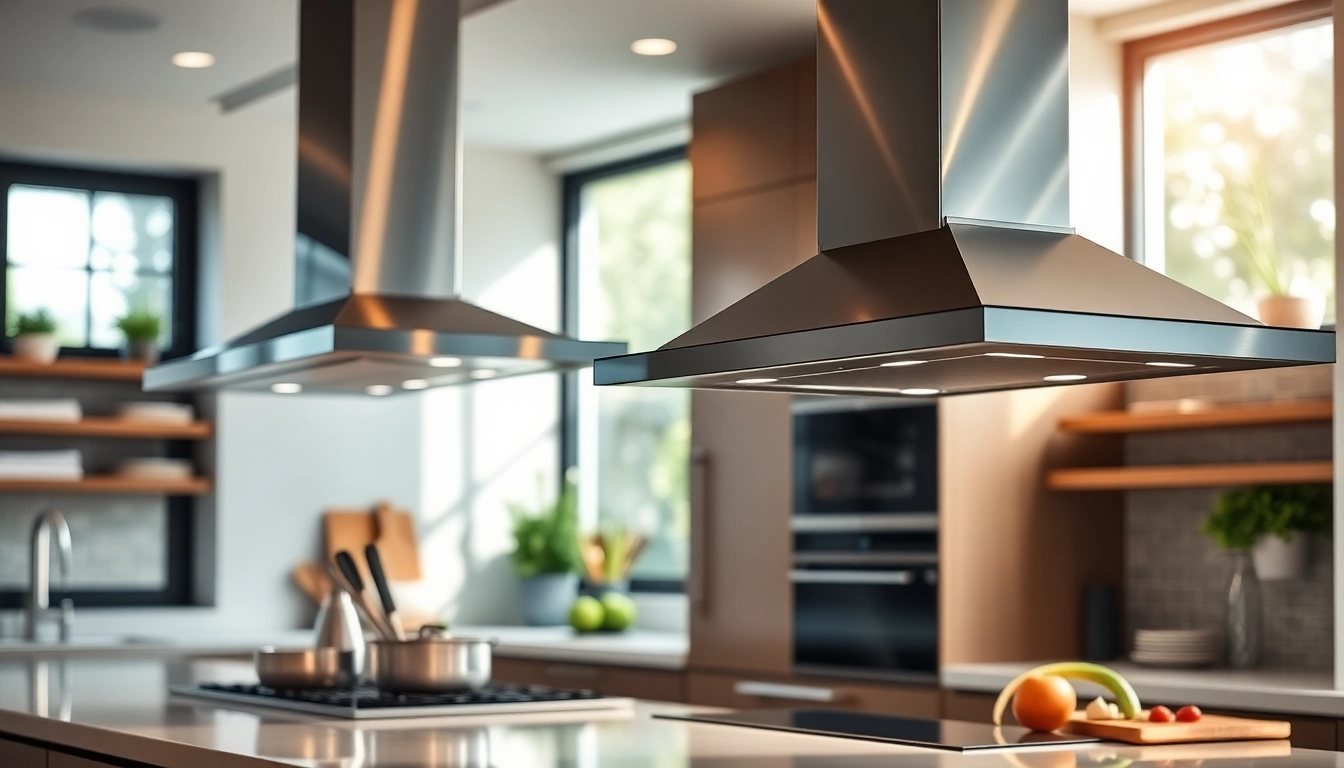
- Island Hoods: Suspended above a kitchen island, these hoods are stylish and designed for open floor plans.
- Downdraft Hoods: Integrated into the cooktop, they rise when needed and retract when not in use, ideal for modern kitchens with a clean aesthetic.
Benefits of Using Quality Hoods
Investing in a high-quality hood comes with numerous advantages, including:
- Improved Air Quality: Hoods effectively remove smoke, steam, and odors, leading to a healthier cooking environment.
- Enhanced Cooking Experience: With better ventilation, cooks can enjoy flavorful dishes without unpleasant smells lingering in the air.
- Energy Efficiency: Quality hoods operate efficiently, reducing energy consumption and saving on utility bills.
- Aesthetic Appeal: Hoods are often designed as statement pieces that enhance the overall look of a kitchen.
How to Choose the Right Hoods for Your Needs
Selecting the perfect hood for your kitchen involves careful consideration of several factors. This section provides guidance on assessing your kitchen size and layout, evaluating ventilation needs, and choosing styles that complement your decor.
Assessing Your Kitchen Size and Layout
The first step in choosing the right hood is evaluating the size and layout of your kitchen. Larger kitchens typically require more powerful hoods to ensure effective ventilation. Key considerations include:
- Cooktop Size: The hood should be at least as wide as the cooking surface to effectively capture smoke and odors.
- Ceiling Height: Taller ceilings may require more powerful appliances to ensure effective air circulation.
- Kitchen Configuration: Open concept kitchens may benefit from hoods designed for islands, while compact spaces may suit under-cabinet options.
Evaluating Ventilation Needs with Hoods
Understanding your cooking habits can help in selecting a hood that meets your ventilation needs. Consider these factors:
- Cooking Style: Those who cook frequently or with high heat may need a more powerful hood to keep air quality in check.
- Type of Cuisine: Cooking methods that produce a lot of steam, smoke, or grease will require a hood capable of handling these elements effectively.
- Filter Maintenance: Evaluate how easy it is to access and replace filters to maintain optimal performance.
Choosing Styles that Complement Your Decor
The style of your hood should blend harmoniously with your kitchen decor. Consider these aspects:
- Material: Stainless steel offers a modern look, while copper or wood may evoke a more rustic or classic feel.
- Color: Consider how the hood’s finish will complement your cabinets, walls, and appliances.
- Design: Choose between chimney-style, wall-mounted, or under-cabinet designs to match the overall theme of your kitchen.
Installation Tips for Your New Hoods
Pre-Installation Requirements for Hoods
Before installation, ensure that you have the necessary tools and materials on hand. Here’s a checklist:
- Electrical Access: Ensure that a power source is readily available near the installation site.
- Proper Venting: Decide whether your hood will be vented externally or are using a recirculating model.
- Mounting Hardware: Confirm you have all the required brackets and screws for the installation.
- Safety Gear: Wear gloves and safety goggles to protect yourself during installation.
DIY vs. Professional Installation of Hoods
Deciding whether to install your hood yourself or hire a professional depends on several factors:
- DIY: This option can save money, but requires some technical know-how and comfort with tools.
- Professional Installation: While it comes at a higher cost, hiring experts ensures that the hood is installed correctly and safely.
Determine your confidence level and skills to make the best choice for your installation.
Common Installation Mistakes to Avoid
To ensure your hood functions efficiently, avoid these frequent mistakes:
- Incorrect Height: Install the hood at the recommended height above the cooktop (generally 30 inches for gas and 24 inches for electric).
- Improper Venting: Ensure that ducts are the correct size and sealed properly to avoid air leaks.
- Ignoring Electrical Codes: Always follow local codes and regulations related to electrical installations.
Maintenance Tips for Long-lasting Hoods
To prolong the life and efficiency of your hood, regular maintenance is essential. This section provides routine cleaning strategies, tips for keeping your hood efficient, and guidance on when to replace your kitchen hoods.
Routine Cleaning Strategies for Hoods
Establish a regular cleaning schedule to maintain the performance of your hood:
- Filter Cleaning: Clean or replace filters every 1-3 months, depending on usage, to ensure optimal airflow.
- Exterior Cleaning: Wipe down the exterior regularly with a soft cloth and mild detergent to avoid grease buildup.
- Interior Inspection: Periodically check for any obstructions, especially in ducted models, to maintain airflow.
Keeping Hoods Efficient and Functional
Maximize the efficiency of your hood with these best practices:
- Run Your Hood: Turn on the hood before cooking to capture odors and grease from the start.
- Regular Checks: Inspect the electrical connections and fan function periodically to ensure everything operates smoothly.
- Adjust Fan Speeds: Use higher speeds when cooking at higher temperatures to enhance effectiveness.
When to Replace Your Kitchen Hoods
Knowing when to replace your hood can save money and improve performance:
- Age: Consider replacing hoods that are over 10 years old, especially if they show signs of wear.
- Decreased Performance: If your hood struggles to eliminate smoke or odors, it may be time for a new unit.
- Noise Levels: An increase in noise can indicate failing components and may warrant a replacement.
Frequently Asked Questions about Hoods
What are the different types of hoods?
Different types of hoods include wall-mounted, under-cabinet, island, and downdraft hoods. Each has unique features suited for various kitchen layouts.
How do I know what size hood I need?
Calculate your hood size based on your range size and kitchen layout. Generally, select a hood that is at least as wide as your cooking surface.
Are hoods necessary for all kitchens?
While not mandatory, hoods significantly improve kitchen ventilation and air quality, reducing grease and odors, thus enhancing cooking experiences.
What are the best materials for hoods?
Popular materials for hoods include stainless steel, copper, and glass. Stainless steel is durable, while copper adds a rustic charm.
How often should I clean my kitchen hood?
It’s recommended to clean kitchen hoods every few weeks, especially the filters, to maintain optimal airflow and efficiency.