
Understanding Sports Broadcasting: Career Insights, Trends, and Technology
The Fundamentals of Sports Broadcasting
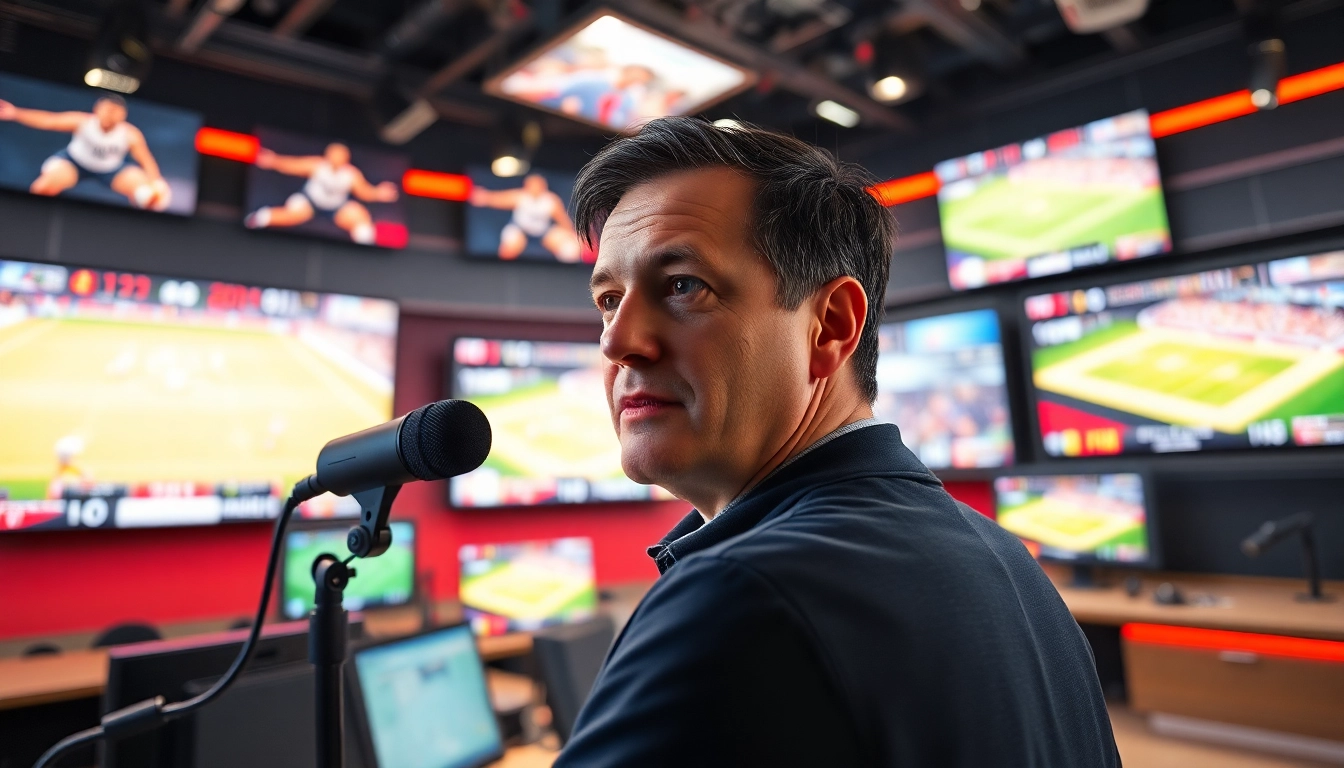
Sports broadcasting has evolved into a crucial component of the modern entertainment landscape, captivating millions of viewers worldwide. This industry encompasses the live coverage of sports events through various media, including television, radio, and online platforms. Sports broadcasting is not just about covering games; it involves storytelling, analysis, and audience engagement, making it a dynamic field that combines journalism with technology and entertainment.
What is Sports Broadcasting?
Sports broadcasting refers to the process of transmitting live sporting events to an audience, utilizing various forms of media. With roots tracing back to the early 1900s, the field has transformed considerably due to advancements in technology and shifting viewer preferences. Today, sports broadcasting serves not only to convey the action of the game but also to analyze performance, provide commentary, and enhance viewer experience through multiple channels.
The Evolution of Sports Broadcasting Techniques
The transformation of sports broadcasting reflects broader changes in technology and society. Initially limited to radio broadcasts, the field saw significant advancements with the introduction of television in the mid-20th century, which expanded audience reach and improved viewer engagement. The advent of satellite and cable television further revolutionized the industry, allowing for multiple channels dedicated to sports. In recent years, the rise of streaming platforms and social media has reshaped how sports are consumed, enabling on-demand access and interactive experiences.
Key Roles and Responsibilities in Sports Broadcasting
Professionals in sports broadcasting come from diverse backgrounds and skill sets. Key roles include:
- Sports Commentator: Provides live narration and analysis during events, often requiring a deep understanding of the sport.
- Producer: Oversees the entire broadcast, ensuring that the technical aspects align with the narrative direction.
- Cameraman: Captures the action from various angles, contributing to the storytelling through visuals.
- Researcher: Gathers statistics and context to support the commentary and analysis presented during the broadcast.
Becoming a Sports Broadcaster
Educational Paths in Sports Broadcasting
A relevant educational background can significantly enhance prospects in sports broadcasting. Many aspiring professionals pursue degrees in communications, journalism, or media studies. Some institutions offer specialized programs in sports broadcasting that focus on practical skills like voice modulation, camera operation, and Sports Journalism.
Essential Skills for Aspiring Broadcasters
To thrive in sports broadcasting, individuals must develop a blend of technical and interpersonal skills, including:
- Effective Communication: Articulate thoughts clearly and engagingly, both on-air and off.
- Critical Thinking: Analyze game situations in real time and provide insightful commentary.
- Technical Proficiency: Operate broadcasting equipment and software effectively.
- Adaptability: Adjust to changing conditions and unexpected events seamlessly.
Internships and Entry-Level Opportunities
Securing internships or entry-level positions often serves as the gateway to a successful career in sports broadcasting. These opportunities provide invaluable practical experience, allowing aspiring broadcasters to hone their skills and establish industry connections. Students should seek internships with local radio stations, networks, or sports teams, where they can learn the ropes and gain firsthand knowledge of the production process.
Latest Trends in Sports Broadcasting
Technological Advancements in Live Streaming
Technological innovations continue to reshape sports broadcasting dramatically. High-definition (HD) and 4K streaming have set new standards for visual clarity, while panoramic and drone camera technology enrich viewer perspectives. Innovations like augmented reality (AR) and virtual reality (VR) are beginning to make their mark, providing immersive experiences that allow fans to engage with games more intimately than ever before.
The Impact of Social Media on Sports Broadcasting
Social media platforms play an increasingly significant role in sports broadcasting by enhancing real-time engagement and viewer interaction. Broadcasters utilize social media to host live discussions, share highlights, and post updates. This engagement helps networks capture younger demographics who may prefer consuming content via platforms such as Twitter, Instagram, and TikTok rather than traditional television. Consequently, integrating social media strategies into broadcast offerings becomes essential.
Audience Engagement Strategies
To keep viewers captivated, broadcasters adopt various audience engagement strategies, including:
- Interactive Content: Polls, quizzes, and live Q&As encourage viewer participation during broadcasts.
- Personalized Viewing Options: Allowing viewers to choose camera angles or commentary tracks enhances user experience.
- Behind-the-Scenes Access: Content showcasing preparations or interviews provides viewers with a deeper connection to the event.
Challenges in Sports Broadcasting
Navigating Legalities and Rights Management
Sports broadcasting often involves complex legal landscapes, including rights management for broadcasting content. Broadcasters must navigate contracts with leagues, teams, and media networks to ensure compliance and prevent copyright infringement. Failing to secure the necessary licenses can lead to significant financial ramifications and legal disputes.
Adapting to Changes in Viewer Behavior
Viewer preferences are continually evolving, necessitating adaptability from sports broadcasters. As younger audiences favor digital platforms over traditional TV, broadcasters must adjust their approaches to meet this audience where they are, often utilizing multi-platform strategies to maintain engagement.
Competing in a Crowded Market
The proliferation of broadcasting networks and streaming services creates a highly competitive environment for sports broadcasting. Differentiating content through unique storytelling, exclusive interviews, and cutting-edge technology becomes crucial in attracting and retaining viewers.
Future of Sports Broadcasting
Emerging Technologies to Watch
As technology continues to advance, several emerging trends are set to define the future of sports broadcasting. Artificial intelligence (AI) will play an increasingly central role in analyzing data and enhancing viewer experiences, while blockchain technology may help in rights management and content distribution. Furthermore, advancements in machine learning could personalize content recommendations, tailoring broadcasts based on viewer preferences.
Forecasting Changes in Broadcast Regulations
As digital platforms grow in prominence, changes in broadcast regulations are likely. Regulatory bodies will need to address issues such as content ownership, advertising practices, and consumer protection in the evolving landscape, which may significantly influence how sports are broadcasted in the future.
Preparing for Audience Demands
Understanding audience demands will become increasingly crucial for sports broadcasters. By leveraging analytics and audience feedback, broadcasters can tailor their content strategies to align with viewer preferences and expectations. The ability to pivot quickly in response to audience trends will be vital for future success.
Frequently Asked Questions
What major is best for sports broadcasting?
Degrees in communications, journalism, or specialized sports media programs are excellent options. Institutions like Arizona State University and Syracuse University offer comprehensive curricula focused on sports journalism.
What is the average salary for sports broadcasters?
The average salary for a sports broadcaster in the U.S. is around $58,242 per year. Salaries can vary based on experience, location, and the level of the sports covered.
Is sports broadcasting a good career?
Yes, if you have a passion for sports and storytelling. However, breaking into the field can be competitive, requiring dedication and networking skills.
What skills are essential for a sports broadcaster?
Essential skills include effective communication, critical thinking, technical proficiency in broadcasting tools, and adaptability to changing situations in live sports.
What are the current trends in sports broadcasting?
Current trends include advancements in live streaming technology, the integration of social media for audience engagement, and personalized content delivery options on multi-platform environments.