Understanding the HEPA Filter: Efficiency, Benefits, and Applications
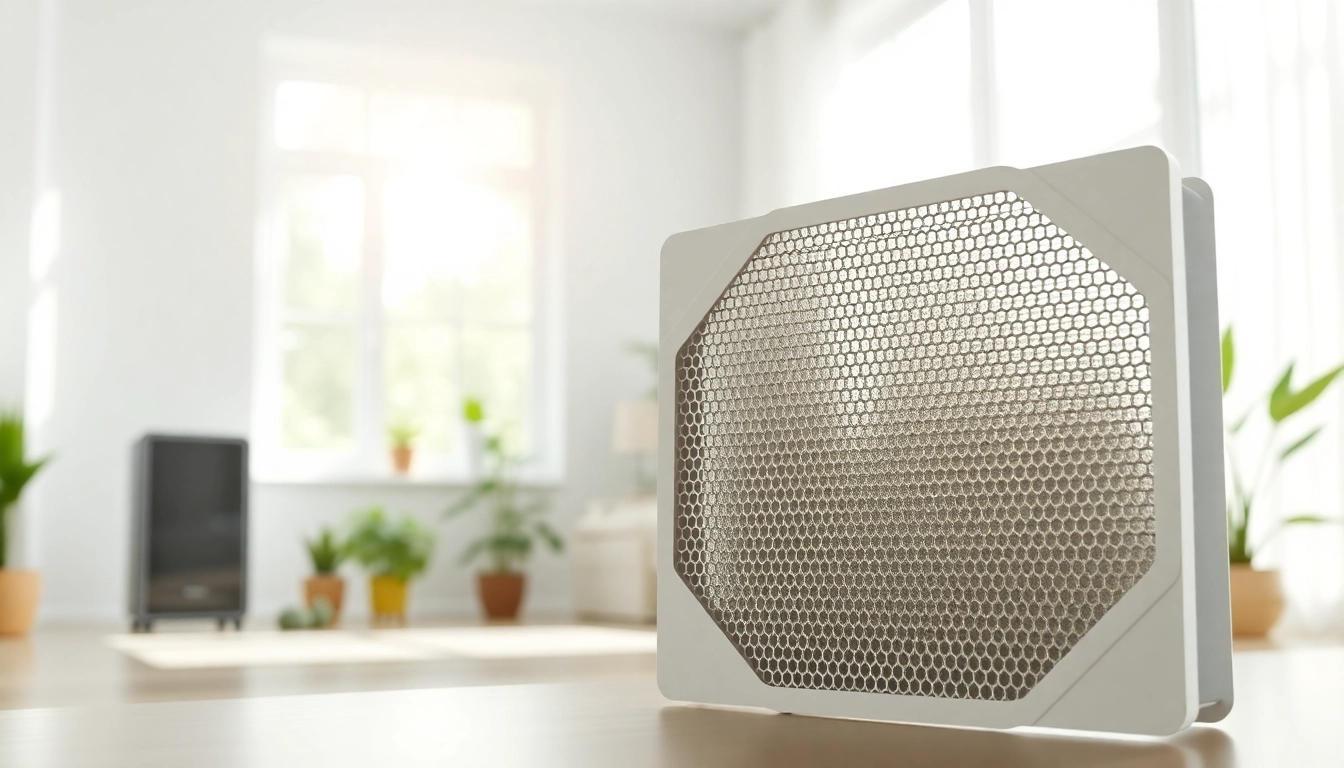
What is a HEPA Filter?
Definition and Standards
A hepa filter is a type of air filter that satisfies the criteria set by the High Efficiency Particulate Air (HEPA) standard, which mandates that these filters can remove 99.97% of airborne particles with a size of 0.3 micrometers (µm) or larger. This stringent regulation guarantees that a HEPA filter is effective in minimizing the presence of allergens, dust, mold spores, and even some viruses in the air. The designation ‘HEPA’ is commonly misunderstood; it does not denote a brand or a specific product, but rather an efficiency rating established according to performance metrics defined by organizations like the Institute of Environmental Sciences and Technology (IEST).
How HEPA Filters Work
HEPA filters operate using a well-designed fibrous material that traps particles through a combination of mechanisms, including interception, inertial impaction, and diffusion. When air passes through these filters, larger particles are caught by the fibers as they try to change direction (inertial impaction), while smaller particles adhere to the fibers due to Brownian motion (diffusion). This multi-stage approach ensures a highly efficient filtration process, making HEPA filters one of the most reliable options for improving air quality.
Types of HEPA Filters
HEPA filters come in various types, each designed to perform optimally in specific environments or applications. These include:
- True HEPA Filters: Meet the strict standards set by organizations such as the IEST.
- HEPA-Type Filters: Often confused with true HEPA filters, they do not always meet the same rigorous standards, typically achieving lower levels of performance.
- High-Efficiency Particulate Air (HEPA) Filters with Activated Carbon: These filters combine HEPA technology with activated carbon to absorb odors and toxic gases.
Key Benefits of Using a HEPA Filter
Allergen Removal
The primary advantage of using a HEPA filter is its ability to effectively remove allergens from indoor air. These filters trap particles such as pollen, pet dander, and dust mites, which can trigger allergic reactions and asthma attacks. Studies show that homes equipped with HEPA filtration systems report a noticeable reduction in allergy symptoms, contributing to an overall improvement in well-being.
Improving Indoor Air Quality
Indoor air can be more polluted than outdoor air due to the buildup of contaminants from everyday activities. HEPA filters enhance indoor air quality by capturing airborne pollutants, thereby contributing to a cleaner and healthier living environment. Their efficiency in removing fine particles and various contaminants makes them invaluable for both residential and commercial spaces.
Health Benefits
Using HEPA filters can provide substantial health benefits, particularly for individuals with respiratory conditions like asthma or COPD. By effectively filtering out harmful allergens and particles, HEPA filters can alleviate symptoms, reduce the frequency of attacks, and promote safer breathing conditions. Hospitals and medical facilities commonly use HEPA filters to maintain high air quality standards, ensuring patient safety and comfort.
Applications of HEPA Filters
In Homes
In residential settings, HEPA filters can be integrated into HVAC systems, standalone air purifiers, or vacuum cleaners. This flexibility allows homeowners to choose solutions that best fit their specific needs, whether combating allergens, odors, or virus transmission indoors.
In Offices and Commercial Spaces
Businesses are increasingly recognizing the importance of good air quality in promoting employee productivity and health. HEPA filters are often installed in office ventilation systems, ensuring that employees work in cleaner air. By improving air quality, companies can reduce sickness rates and enhance overall workplace satisfaction.
Medical Facilities
Hospitals and clinics utilize HEPA filters in surgical rooms and patient rooms to provide sterile air conditions. The filtration efficiency is critical in preventing infections and minimizing complications during medical procedures, demonstrating the essential role these filters play in healthcare settings.
Choosing the Right HEPA Filter
Identifying Filter Ratings
When selecting a HEPA filter, understanding filter ratings is crucial. Look for filters with a MERV (Minimum Efficiency Reporting Value) rating of 17 or higher, as this signifies the ability to trap finer particles. Higher ratings guarantee better filtration efficiencies, vital for environments where air quality is a priority.
Maintenance and Replacement
To maintain optimal performance, HEPA filters require regular maintenance and timely replacement. Filters should be replaced at least every six months, although frequency may vary based on usage and environmental factors. Monitoring air quality and maintaining HVAC systems will ensure that filtration remains effective and reliable.
Cost Considerations
The cost of HEPA filters can vary significantly based on size, type, and brand. While high-quality HEPA filters may be more expensive, their long-term benefits, including improved health and reduced allergens, often outweigh initial costs. To maximize value, consider investing in durable models that provide higher filtration efficiency and longevity.
FAQs About HEPA Filters
What types of particles can a HEPA filter capture?
A HEPA filter can capture 99.97% of airborne particles that are 0.3 micrometers or larger, including dust, pollen, smoke, and mold spores.
How often should HEPA filters be replaced?
HEPA filters should generally be replaced every six months, but depending on your environment and usage, you may need to change them more frequently.
Can HEPA filters help with reducing odors?
While HEPA filters are excellent at trapping particles, they often do not remove odors. For that, consider filters that incorporate activated carbon.
Are HEPA filters suitable for allergy sufferers?
Yes, HEPA filters are ideal for allergy sufferers because they effectively trap allergens such as pollen and pet dander, reducing exposure.
How do HEPA filters compare to standard filters?
HEPA filters are significantly more efficient than standard filters. HEPA filters remove 99.97% of particles, while standard filters may capture only a fraction of that.