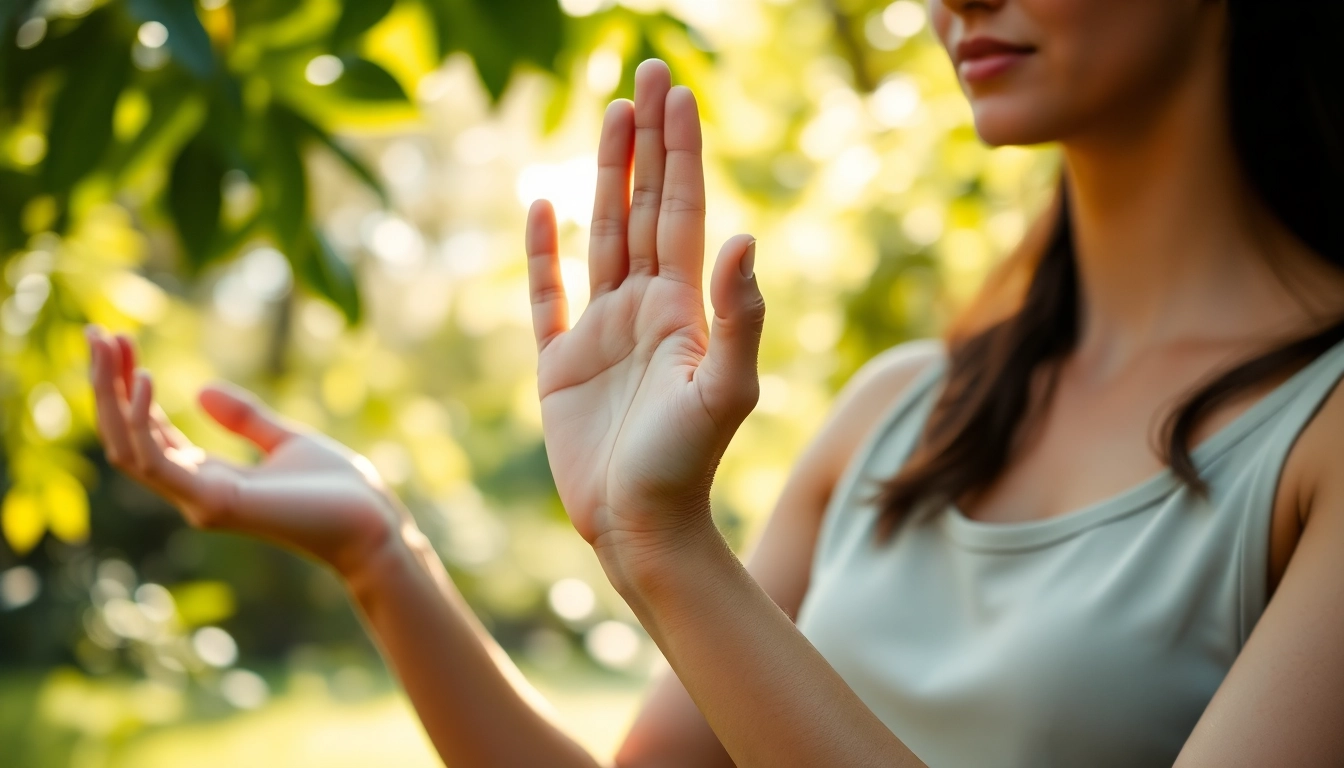
The Significance of Yoga Mudras in Meditation
Understanding the Essence of Mudras
Mudras, derived from the Sanskrit word meaning "seal" or "gesture," are powerful hand positions, body postures, and even facial expressions integral to various yoga and meditation practices. While often seen simply as physical gestures, Yoga mudras convey much deeper meanings and can significantly affect one’s internal state and energy flow. When practiced mindfully, they create a beneficial connection between physical actions and the mind, improving focus and facilitating meditative states.
How Yoga Mudras Influence Energy Flow
The practice of Yoga mudras is deeply entrenched in the belief that the human body consists of energy channels (nadis) and chakras. Each mudra corresponds to specific influences on these energy systems. For instance, particular positions of the fingers can either restrain the energy flow or channel it in a way that benefits mental clarity, emotional stability, and overall wellness. Research shows that the right combination of mudras can direct prana (life force) to specific body parts or emotional states, enhancing meditation and spiritual practices.
Spiritual Benefits of Practicing Yoga Mudras
Beyond their physical advantages, Yoga mudras are believed to foster spiritual growth. Regular practice can heighten awareness and cultivate inner peace, opening practitioners to deeper levels of meditation. Many find that incorporating mudras into their spiritual practices allows for enhanced clarity of purpose and connection with their inner selves. As mudras align the mind and body, they can facilitate mystical experiences and emotional release, contributing to a more profound understanding of one's spiritual path.
Types of Yoga Mudras and Their Uses
Overview of Common Yoga Mudras
The world of Yoga mudras is rich and varied, encompassing numerous gestures with distinct purposes. Common mudras include:
- Gyan Mudra: Often associated with wisdom and knowledge, the thumb and index finger touch while the rest of the fingers remain extended.
- Chin Mudra: Similar to Gyan Mudra, this gesture enhances the flow of energy and is used for meditation.
- Prana Mudra: This mudra revitalizes energy by joining the tips of the thumb, ring finger, and little finger.
- Dhyana Mudra: Where both hands are placed in the lap, this mudra embodies concentration and meditative states.
- Anjali Mudra: Typically practiced at the heart center, it symbolizes respect and gratitude.
Specific Benefits of Individual Yoga Mudras
Each mudra contributes unique benefits, making them valuable tools in practice:
- Gyan Mudra: Enhances focus and alleviates stress, making it ideal for those seeking clarity in meditation.
- Chin Mudra: Improves energy flow throughout the body, facilitating a deeper state of awareness.
- Prana Mudra: Energizes the mind and body, making it excellent for fatigue and enhancing vitality.
- Dhyana Mudra: Promotes tranquility, ideal for deep meditation practices.
- Anjali Mudra: Encourages a sense of peace and balance, useful for centering oneself during stressful moments.
Practical Applications of Mudras in Daily Life
Incorporating Yoga mudras into daily life extends their benefits beyond the yoga mat. You can practice mudras during routine activities like working, walking, or even in waiting situations. For instance, practicing Gyan Mudra while reading or studying can enhance concentration, while Anjali Mudra can ground you during moments of anxiety. By strategically adopting these hand positions, one can integrate mindfulness into everyday scenarios, fostering a state of balance and calm irrespective of the external environment.
How to Incorporate Yoga Mudras into Your Routine
Step-by-Step Guide to Basic Yoga Mudras
Incorporating Yoga mudras into your routine is straightforward. Start with the following simple steps:
- Select a Comfortable Position: Find a quiet space where you can sit comfortably on the floor or a chair with your spine straight and eyes gently closed.
- Choose Your Mudra: Decide which mudra aligns with your intention or goal for the session. For instance, opt for Gyan Mudra if seeking clarity.
- Concentrate on Breathing: Inhale deeply through the nose and exhale slowly through the mouth. Focus on the sensation of your chosen mudra.
- Maintain the Position: Hold the mudra for 5-20 minutes, bringing awareness to your thoughts and feelings, and observe their flow.
Integrating Mudras with Breathing Techniques
The true power of Yoga mudras is amplified when combined with proper breathing techniques. Incorporating pranayama—yogic breathing—into your practice can deepen the effects of mudras. For instance, while practicing Dhyana Mudra, employ Ujjayi breathing, which involves inhaling and exhaling through the nose with a slight constriction in the throat, creating a gentle sound. This technique encourages a focused mind and enhances meditation sessions, enabling practitioners to feel more grounded and centered.
Cautions and Best Practices for Effective Use
While Yoga mudras are beneficial, practicing them with caution is crucial to prevent discomfort or injury:
- Start with shorter durations and gradually extend as you gain comfort with the mudras.
- Be mindful of your body’s responses; if you feel discomfort or pain, stop and reassess your grip or position.
- Consult a qualified yoga instructor if you want deeper insights into specific mudras and their applications.
The Role of Yoga Mudras in Holistic Health
Connecting Mudras with Emotional Well-being
The subtle energy shifts in the body facilitated by Yoga mudras can have significant effects on emotional health. Research supports that engaging with specific mudras can help alleviate anxiety, enhance emotional regulation, and foster resilience. For example, practicing Prana Mudra may invigorate your spirit during moments of lethargy, while Anjali Mudra helps cultivate gratitude and compassion, key components in emotional well-being.
Physical Health Benefits Derived from Mudras
Physical benefits linked to Yoga mudras include improved circulation, enhanced immunity, and better balance of bodily elements. Each mudra can correspond to specific health concerns, such as using Dhyana Mudra to alleviate headaches by promoting relaxation and reducing tension in the body. Regular practice can create a holistic approach to health, blending physical and emotional wellness.
Yoga Mudras and Stress Reduction Techniques
In a world rife with stressors, Yoga mudras can serve as simple yet effective tools for fostering relaxation. Studies suggest that incorporating mudras into daily stress management practices assists in reducing cortisol levels, the body’s primary stress hormone. For those seeking a compassionate approach to stress relief, practicing Gyan Mudra every morning can promote a tranquil mindset, enabling a more peaceful approach to daily challenges.
Advanced Practices and Variations of Yoga Mudras
Exploring Complex Yoga Mudras for Experienced Practitioners
Advanced practitioners of Yoga mudras may explore more intricate hand positions, combining multiple mudras for enhanced energy flow. For instance, harmonizing Gyan Mudra with Dhyana Mudra can magnify the benefits of concentration and meditation. These advanced practices require a solid understanding of individual gestures’ impacts—patience and practice become integral to mastering more complex forms.
Innovative Ways to Combine Mudras with Yoga Poses
Integration of Yoga mudras with yoga asanas (postures) can significantly amplify physical and energetic benefits. For example, while executing the Warrior II pose, practitioners can adopt Anjali Mudra, which deepens the focus on inner strength and balance, enhancing both their physical pose and mental state. Combining mudras with asanas creates a multidimensional experience that integrates body, mind, and spirit seamlessly.
Leveraging Yoga Mudras for Personal Transformation
Finally, the journey with Yoga mudras can lead to profound personal transformation. Many practitioners report enhanced self-awareness and insight into life’s challenges, leading to a more empowered state of being. By consciously incorporating mudras into your daily practice, you foster a sense of connection not only with yourself but the broader universe. This synergy often results in increased motivation toward necessary changes in personal and professional landscaping.