
Maximize Comfort with Daikin Mini Split AC: Benefits and Installation Tips
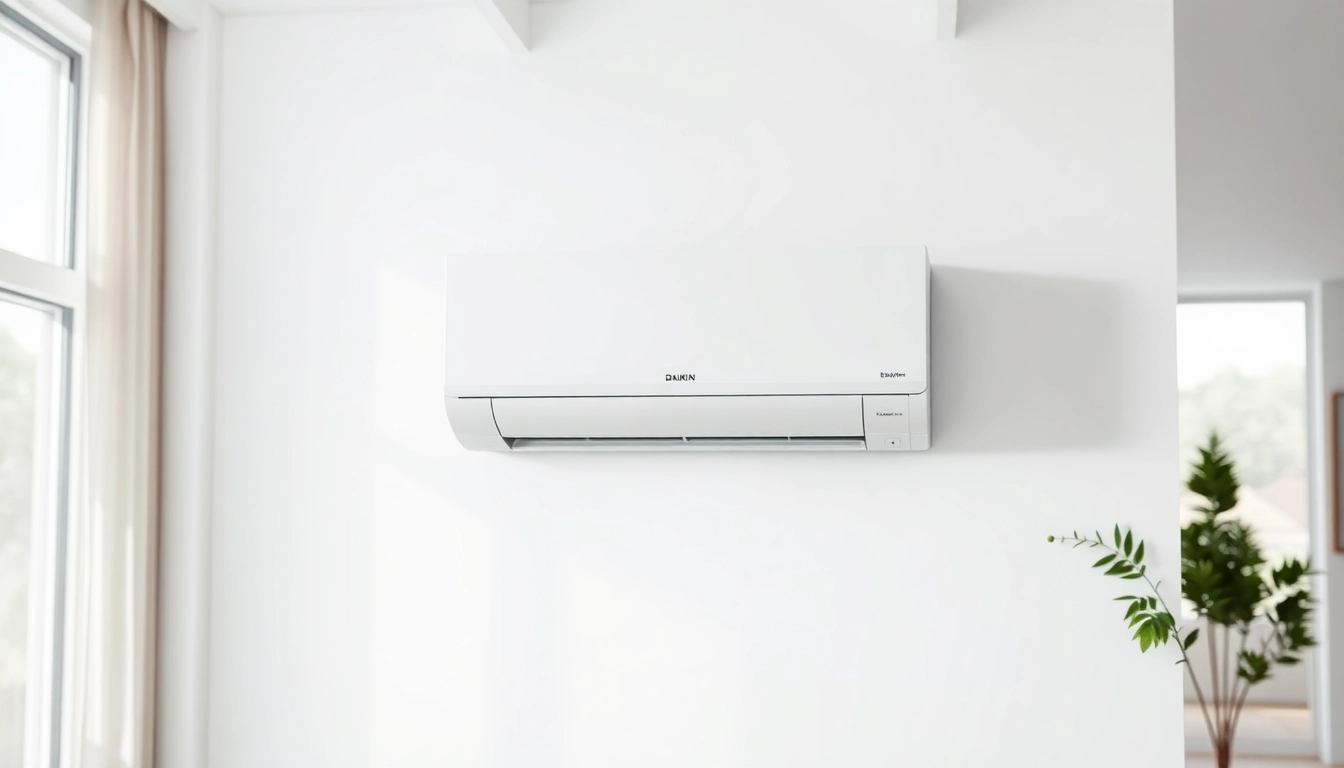
Understanding Daikin Mini Split AC Systems
What is a Daikin Mini Split AC?
A daikin mini split ac is a type of air conditioning system designed for efficient heating and cooling in residential or commercial spaces. Unlike traditional central air systems that require ductwork, mini-split systems utilize two main components: an indoor unit and an outdoor condenser. This design allows homeowners to maintain individual climate control for different rooms or zones without the need for extensive installation work. Such systems are especially useful in situations where duct installation is impractical.
How Does a Daikin Mini Split AC Work?
At the core of the Daikin Mini Split AC operation is a heat pump that transfers heat between indoor and outdoor environments. The indoor unit contains an evaporator coil that pulls in warm air from the room, cooling it by circulating refrigerant through the coil. Simultaneously, the outdoor unit releases this heat into the outside air, thus maintaining a constant temperature indoors. This cycle can also be reversed to provide heating, making the mini-split system a versatile year-round solution.
Key Features of Daikin Mini Split AC
- Energy Efficiency: Many Daikin units come with high SEER (Seasonal Energy Efficiency Ratio) ratings, ensuring lower electricity consumption.
- Multi-Zone Capability: Multiple indoor units can connect to one outdoor unit, providing tailored heating and cooling solutions for various spaces.
- Flexible Installation: The compact design of mini-split systems allows for installation in areas where conventional HVAC systems are not feasible.
- Smart Technology: Many models are compatible with Wi-Fi, enabling remote control through smartphone applications.
Benefits of Using Daikin Mini Split ACs
Energy Efficiency and Cost Savings
One of the most significant advantages of using a Daikin Mini Split AC is its remarkable energy efficiency. Daikin systems often feature inverter technology, which adjusts the compressor speed to maintain the desired temperature without the frequent on-off cycling typical of traditional AC units. This not only reduces energy consumption but also results in significant cost savings on electricity bills. Homeowners can often expect to see a return on investment in a relatively short time frame due to these efficiencies, making Daikin systems an environmentally friendly choice.
Space-Saving Designs
Daikin mini-split systems are designed with space-saving in mind. The indoor units are sleek and can be mounted on walls, integrated into ceilings, or placed on the floor, freeing up valuable living space compared to bulky traditional systems. This flexibility allows homeowners to choose the best placement for aesthetic appeal and effective air distribution, perfect for apartments, small homes, or newly remodeled areas where every square foot counts.
Quiet Operation Advantages
Working quietly is another hallmark of the Daikin Mini Split AC. Unlike traditional HVAC systems that can produce noticeable noise when the compressor starts or stops, the mini-split units are designed for silent operation, making them ideal for bedrooms, offices, or any environment where noise could be a distraction. Many Daikin units operate at sound levels that are quieter than average human conversation, ensuring comfort without unwanted disruptions.
Installation Process of Daikin Mini Split AC
Pre-Installation Checklist
Before you dive into installing a Daikin Mini Split AC, it’s important to conduct a thorough pre-installation assessment. Start by evaluating the space where the indoor unit will be installed to ensure ideal airflow and comfort. Furthermore, check all electrical connections and ensure that your home has adequate insulation to maximize energy efficiency. Lastly, review local building codes and regulations to ensure your installation complies with all requirements.
Steps for Proper Installation
- Mount the Indoor Unit: Use a mounting bracket to secure the indoor unit on a wall, typically about 6-8 inches from the ceiling for optimal airflow.
- Install the Outdoor Unit: Position the outdoor unit on a stable, flat surface away from direct sunlight and strong winds.
- Connect Refrigerant Lines: Carefully connect the refrigerant lines between the indoor and outdoor units, ensuring no leaks.
- Electrical Wiring: Connect the electrical wiring between both units, ensuring all connections are secure and following manufacturer guidelines.
- Final Checks: Once everything is installed, perform a system check to ensure proper functionality and make adjustments as needed.
Maintenance Tips for Longevity
Regular maintenance is essential for keeping your Daikin Mini Split AC running efficiently and prolonging its lifespan. Clean or replace filters every month or two, based on usage and local air quality. Additionally, inspect the outdoor unit for debris, such as leaves or dirt, which may hinder airflow. Schedule professional maintenance at least once a year to ensure refrigerant levels are optimal and the system operates without issues.
Comparing Daikin Mini Split AC with Other HVAC Options
Daikin vs. Traditional Air Conditioning
When comparing the Daikin Mini Split AC with traditional air conditioning systems, several differences stand out. Traditional systems typically rely on ductwork, limiting installation possibilities and reducing energy efficiency due to duct losses. In contrast, mini-split systems eliminate ductwork, resulting in improved efficiency, easier installation, and the ability to cool specific areas of a home independently. This flexibility and efficiency often make mini-splits a superior choice for modern homes.
Multi-Zone Capabilities of Daikin Mini Split AC
One notable feature of the Daikin Mini Split AC is its ability to offer multi-zone heating and cooling solutions. Multiple indoor units can be connected to a single outdoor unit, allowing different rooms to be set to varying temperatures simultaneously. This feature not only enhances comfort but significantly reduces energy use, as unoccupied spaces can be set to a higher temperature in summer or a lower temperature in winter without affecting the main living areas.
Cost Analysis Over Time
While the initial investment for a Daikin Mini Split AC system might be higher compared to conventional systems, the long-term savings are notable. Lower operational costs due to energy efficiency, combined with reduced installation expenses (no ductwork required), often result in a better value over time. Furthermore, potential rebates and incentives available in many regions for energy-efficient upgrades can significantly offset the upfront costs.
FAQs about Daikin Mini Split AC
What size Daikin mini split ac do I need?
Choosing the right size for your space is crucial. A professional HVAC technician can calculate the BTU requirements based on room dimensions, insulation, and climate conditions.
How often should I clean my Daikin mini split ac filters?
It’s recommended to clean or replace your filters every month or two, depending on usage, to ensure optimal airflow and air quality.
Can Daikin mini split ac units be used in colder climates?
Yes, many Daikin systems are designed to operate efficiently in colder climates, with models available that can provide heat even in low temperatures.
What maintenance does a Daikin mini split ac require?
Regular maintenance includes cleaning filters monthly, checking the outdoor unit for obstructions, and having a professional service the system once a year for optimal performance.
Are Daikin mini split ac systems energy efficient?
Yes, Daikin mini split ac systems are known for their high energy efficiency, often featuring SEER ratings that exceed traditional AC systems, leading to lower energy bills.