
Understanding License Plate Recognition Camera Technology: Features, Benefits, and Applications
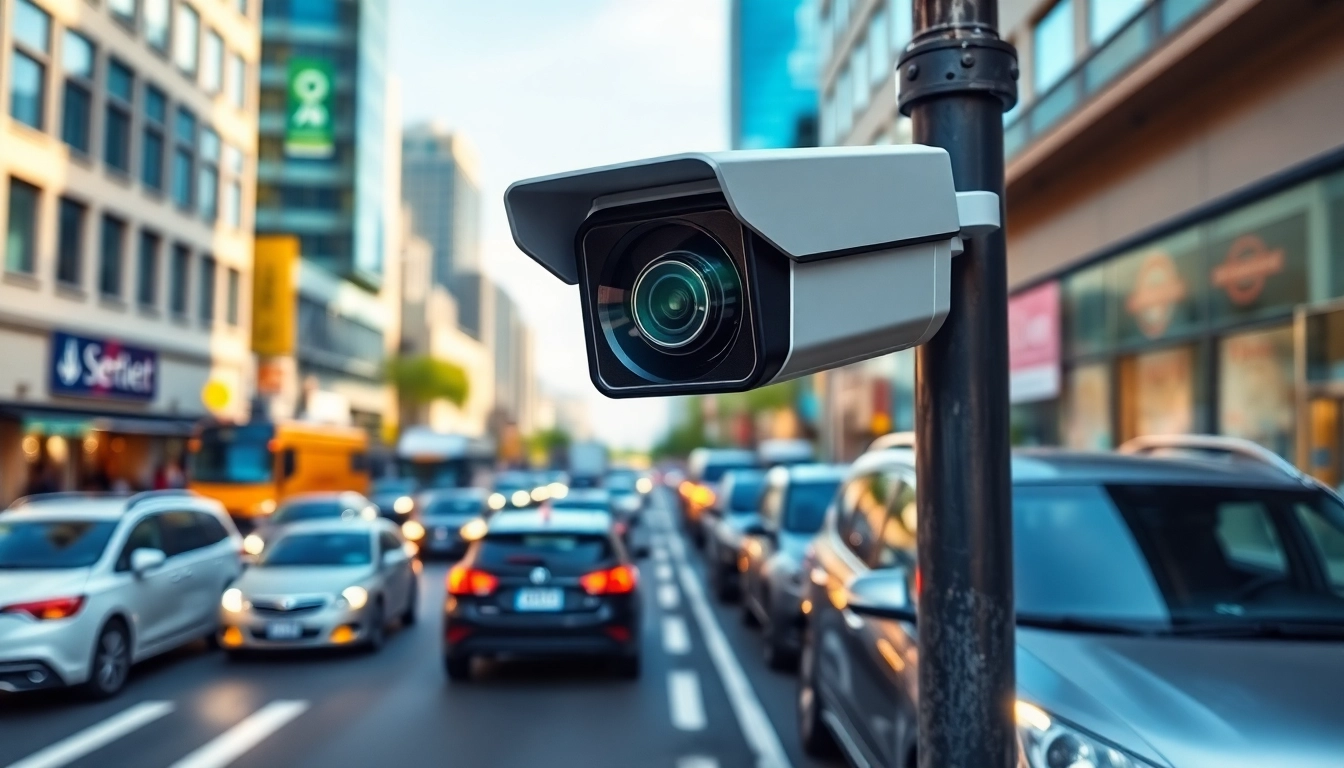
- Introduction to License Plate Recognition Camera Technology
- Benefits of Implementing License Plate Recognition Cameras
- Common Applications of License Plate Recognition Cameras
- Choosing the Right License Plate Recognition Camera
- Future Trends in License Plate Recognition Camera Technology
- Frequently Asked Questions
Introduction to License Plate Recognition Camera Technology
The rise of vehicle surveillance and security technologies has led to the increasing adoption of license plate recognition camera systems. These cameras have evolved from simple filming devices into sophisticated tools capable of reading and processing license plates with remarkable accuracy. In this article, we will explore the essential functions of these cameras, their benefits, common applications, and factors to consider when selecting the right system for your needs.
What is a License Plate Recognition Camera?
A license plate recognition camera (LPR camera) is a specialized type of optical device designed to capture, interpret, and record vehicle license plate data. Utilizing advanced imaging techniques, such as optical character recognition (OCR), these cameras can effectively convert images of license plates into digital data that can be processed and stored. Modern LPR cameras are capable of operating in various environmental conditions, including different weather scenarios and lighting conditions, making them highly versatile for various applications.
How Does a License Plate Recognition Camera Work?
License plate recognition cameras work by capturing images of vehicles as they pass by. The process typically involves the following steps:
- Image Capture: The camera uses high-resolution sensors to take snapshots or continuous video of approaching vehicles.
- Image Processing: Through built-in software, the captured images are analyzed, and license plate features are identified.
- Character Recognition: Optical character recognition software extracts the characters from the recognized license plate.
- Data Storage: The data—license plate number, time, and location—is stored in a database for later retrieval or analysis.
This entire process occurs in real-time, allowing immediate data capture and response capabilities, which are crucial for applications such as law enforcement and traffic monitoring.
Key Features of License Plate Recognition Cameras
When considering a license plate recognition camera, several key features should be taken into account:
- Resolution: High megapixel counts allow for clearer images, facilitating better character recognition.
- IR Lighting: Many systems come equipped with infrared lighting to capture plates in low-light conditions effectively.
- Processing Speed: Real-time processing capabilities ensure immediate data logging and alerts.
- Weatherproofing: Robust housing is necessary for outdoor setups to withstand various environmental conditions.
- Integration Capabilities: Compatibility with other systems such as access control or alarm systems enhances functionality.
Benefits of Implementing License Plate Recognition Cameras
Enhanced Security and Monitoring
One of the most significant advantages of license plate recognition cameras is their ability to enhance security measures across city limits, parking lots, and private properties. By providing law enforcement agencies with real-time access to vehicle data, LPR technology can help in quickly identifying stolen vehicles or apprehending suspects. Additionally, automatic alerts can notify security personnel of unauthorized vehicles entering restricted areas.
Efficient Traffic Management and Control
LPR cameras play a crucial role in traffic management by allowing authorities to monitor traffic patterns, enforce traffic laws, and manage congestion. These cameras can help with real-time tracking of traffic speed and volumes, enabling quick responses to traffic incidents. Furthermore, they facilitate automated tolling systems, which streamline the toll collection process and reduce vehicle wait times.
Data Collection and Analysis
License plate recognition cameras enable organizations to collect vast amounts of data regarding vehicle movement and behaviors. This data can be valuable for urban planning, improving public safety measures, and enabling businesses to enhance customer experience through personalized services. Utilizing data analytics tools, organizations can draw insights from this information, thereby optimizing operations and resource allocation.
Common Applications of License Plate Recognition Cameras
Law Enforcement and Public Safety
LPR cameras are widely used by law enforcement agencies for various purposes, including tracking stolen vehicles, managing vehicular traffic during events, and enforcing parking regulations. The ability to capture and store license plate data provides investigators with critical evidence that can lead to quicker resolutions of criminal activities.
Parking Management Systems
Parking lots are increasingly employing license plate recognition technology to streamline operations. From automated entry and exit systems to payment solutions that can recognize vehicles and allow cashless transactions, LPR technology enhances user experience while reducing the need for human intervention in managing parking lots.
Private Property Surveillance
Private organizations and residential complexes utilize license plate recognition cameras to monitor their premises effectively. This technology allows property managers to track who enters and exits the premises and facilitates the control of access for authorized vehicles. In high-risk areas, these systems can act as a deterrent and a means of documenting vehicle movements.
Choosing the Right License Plate Recognition Camera
Important Specifications to Consider
Selecting the appropriate license plate recognition camera involves evaluating critical specifications, such as resolution, processing technology, operational speed, and compatibility with existing systems. Additionally, consider environmental factors such as the camera’s ability to withstand extreme weather conditions.
Installation and Maintenance Best Practices
Proper installation and maintenance are essential for ensuring the effective operation of license plate recognition cameras. Ideally, these cameras should be mounted at optimal positions that provide clear visibility of the vehicle path. Regular maintenance checks and software updates are necessary to keep the system functioning effectively over time. Cleaning the lenses and checking for any obstructions can significantly enhance image capture quality.
Comparative Analysis of License Plate Recognition Solutions
When evaluating various license plate recognition solutions, consider performance attributes such as accuracy, speed, and user interface capabilities. Additionally, assess the available features in terms of data integration, reporting functionalities, and scalability to accommodate future growth needs.
Future Trends in License Plate Recognition Camera Technology
Advancements in AI and Data Processing
The future of license plate recognition technology is set to be transformed by advancements in artificial intelligence and machine learning algorithms. These enhancements will allow cameras to analyze images more accurately and efficiently, even in difficult conditions, increasing their deployment in various settings.
Integration with Smart City Initiatives
As cities continue to evolve towards smarter systems, license plate recognition cameras will increasingly interface with other IoT devices to create a comprehensive safety and monitoring network. This integration will support real-time data analyses that assist city planners in building more efficient infrastructures and public spaces.
Ethical Considerations and Privacy Issues
As with any surveillance technology, the implementation of license plate recognition cameras raises ethical concerns regarding privacy and data security. Establishing clear guidelines on data retention, access, and sharing will be essential to address public concerns and build trust in the technology.
Frequently Asked Questions
1. What is the accuracy rate of license plate recognition cameras?
Most license plate recognition cameras achieve accuracy rates above 90%, especially with high-resolution imaging and optimal conditions. However, performance can be influenced by environmental factors.
2. Are license plate recognition systems affected by weather?
Yes, weather conditions such as rain or fog can impact image clarity. However, many modern systems are designed with infrared capabilities to mitigate these challenges.
3. Can LPR cameras work at night?
Yes, LPR cameras equipped with infrared technology can capture clear images at night, ensuring consistent performance around the clock.
4. How long is license plate data typically stored?
Data retention policies vary, but typically, license plate information can be stored from a few days to several months, based on legal requirements and organizational policies.
5. Are LPR systems viable for residential use?
Absolutely! Many homeowners deploy license plate recognition cameras for enhanced security and monitoring of driveways and gated entries.